
Last updated November 15, 2026
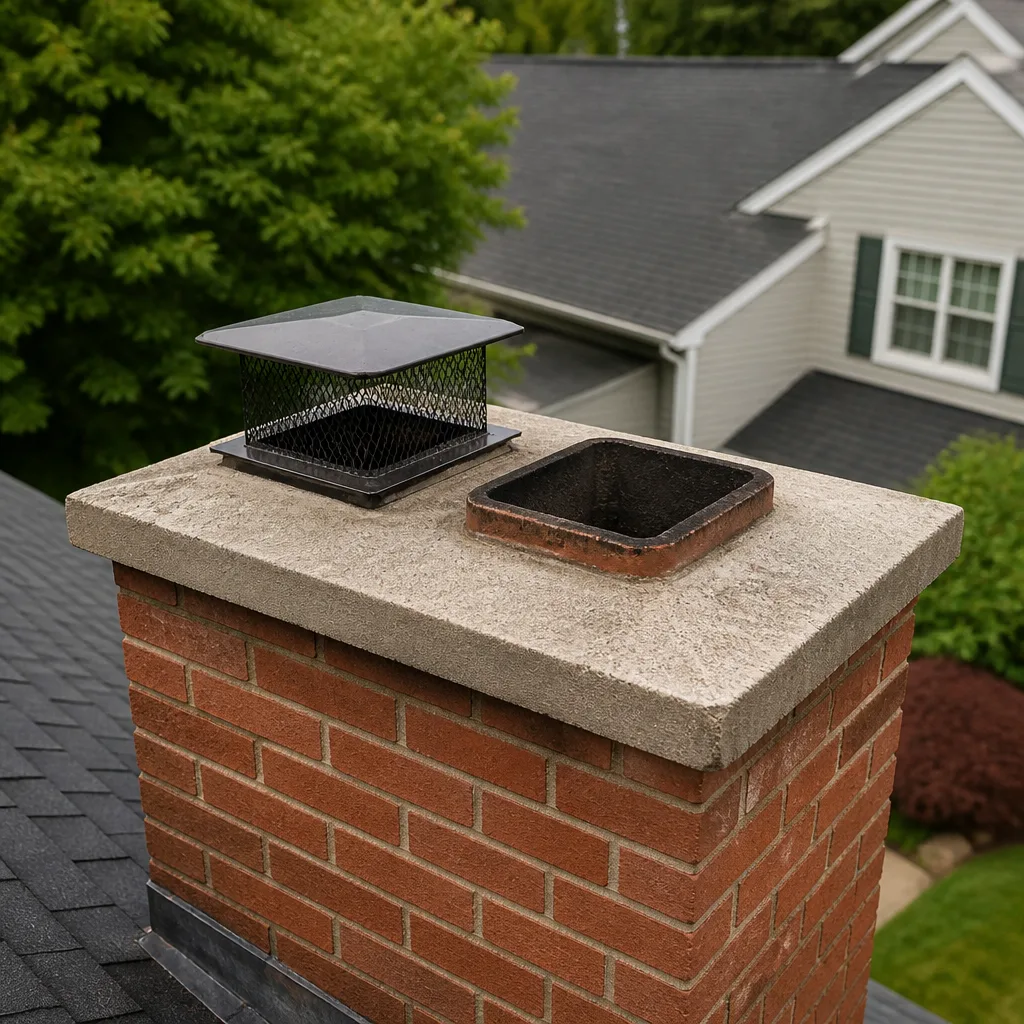 Sweep & inspection
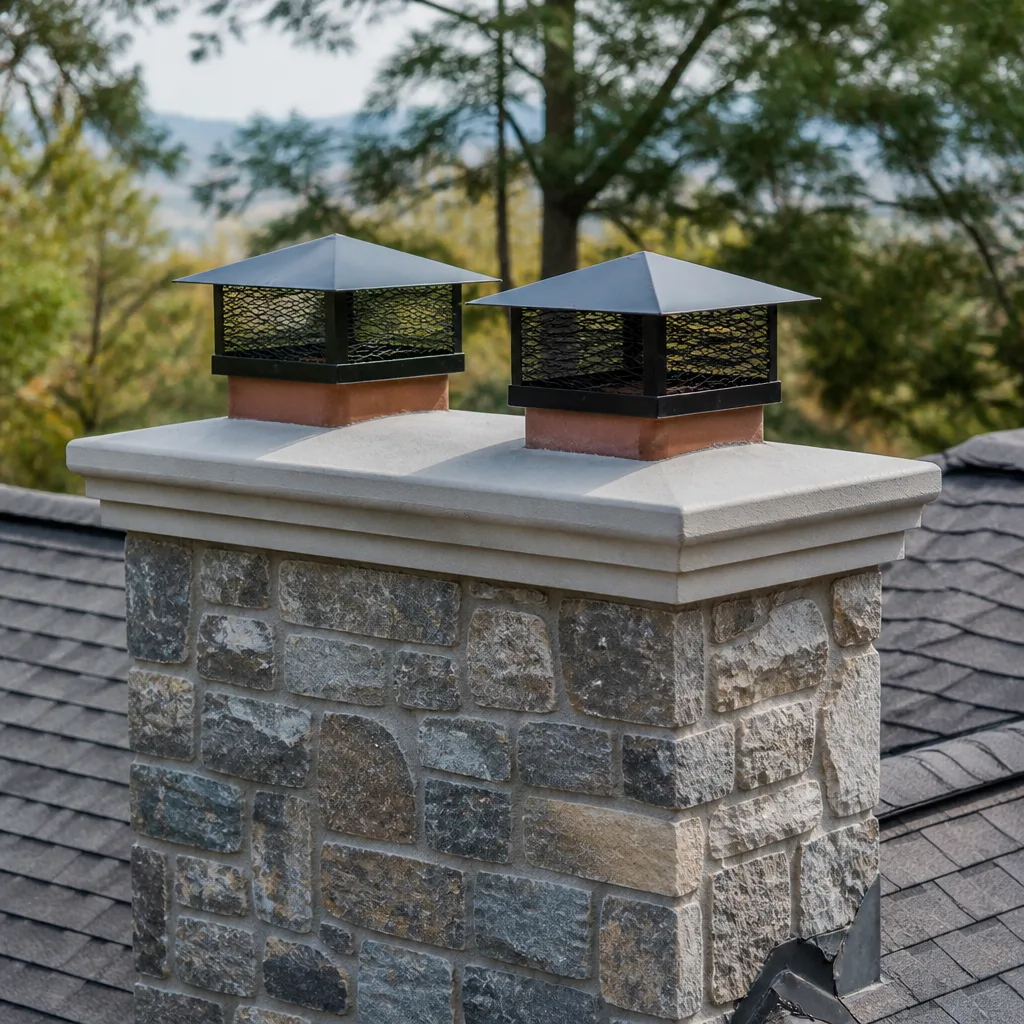 Caps & crowns
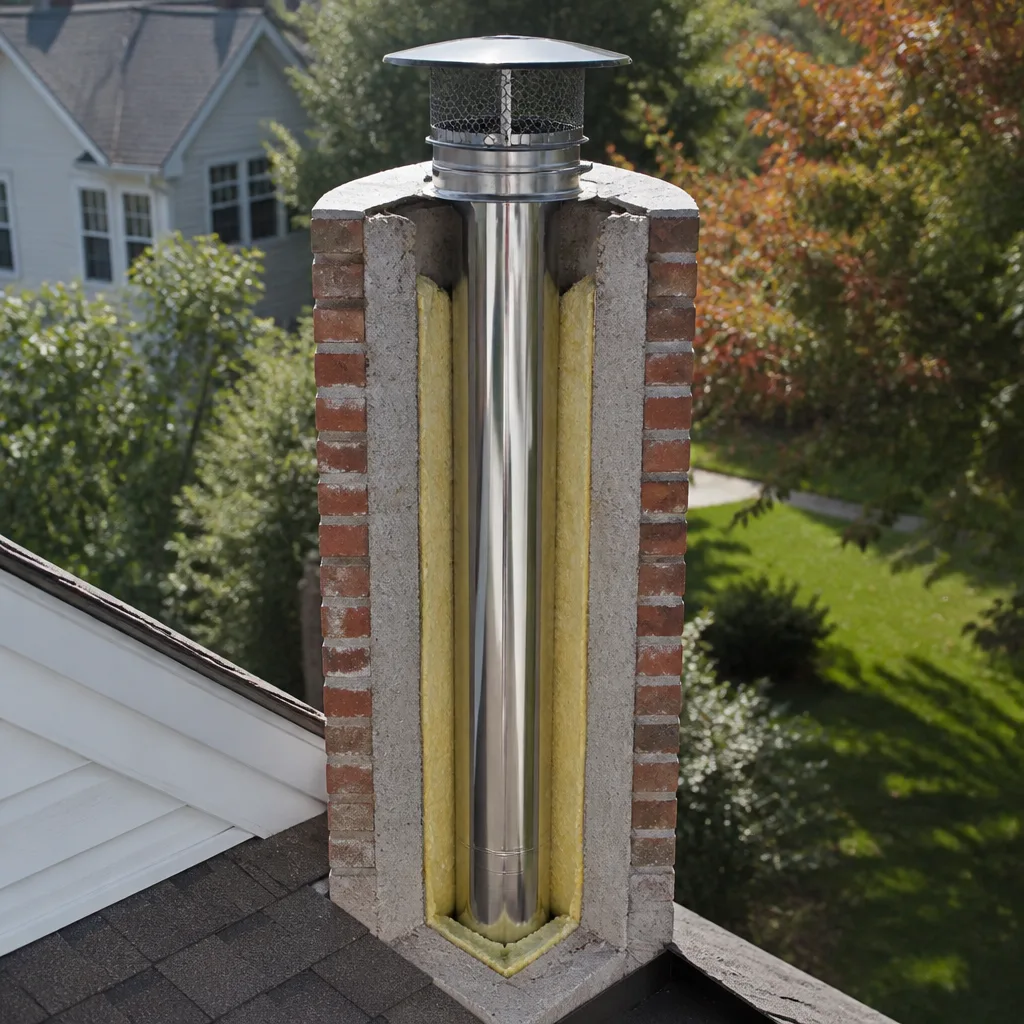 Flue relining
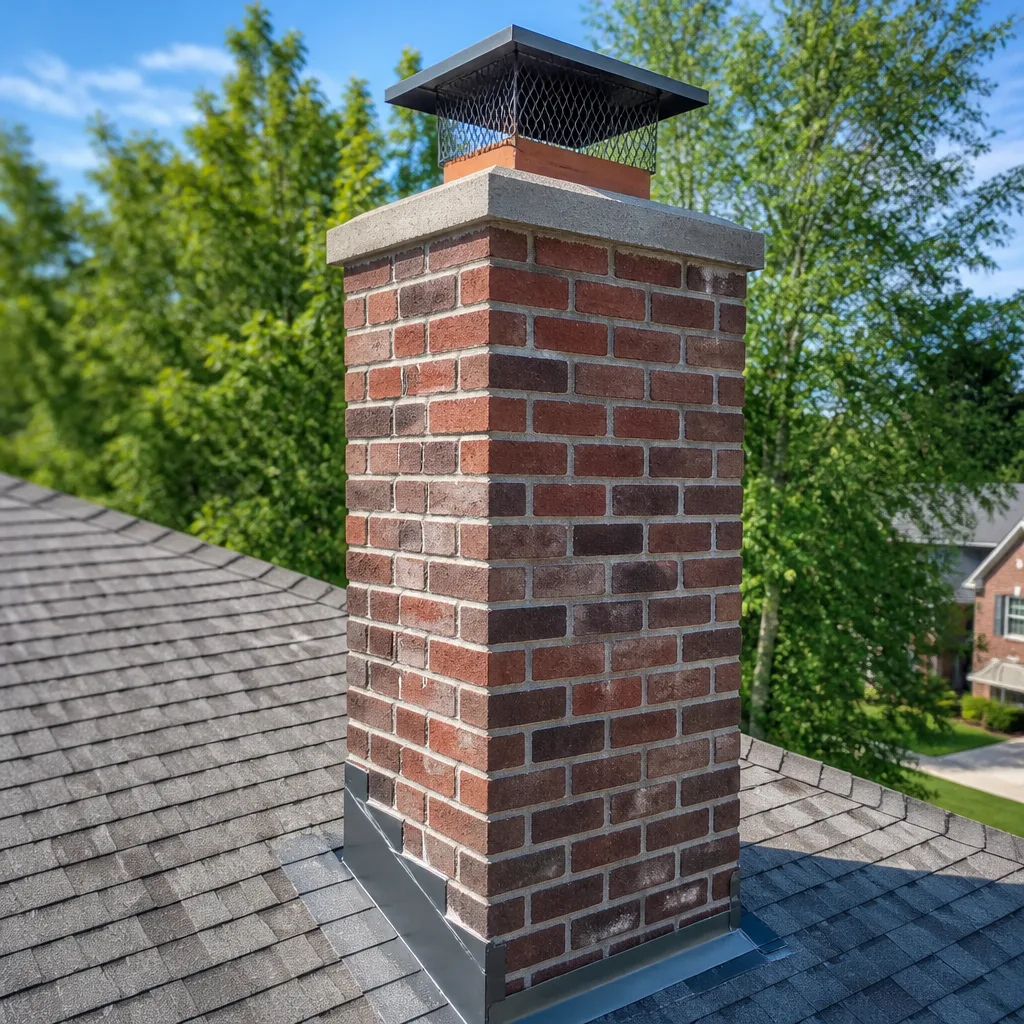 Masonry repair
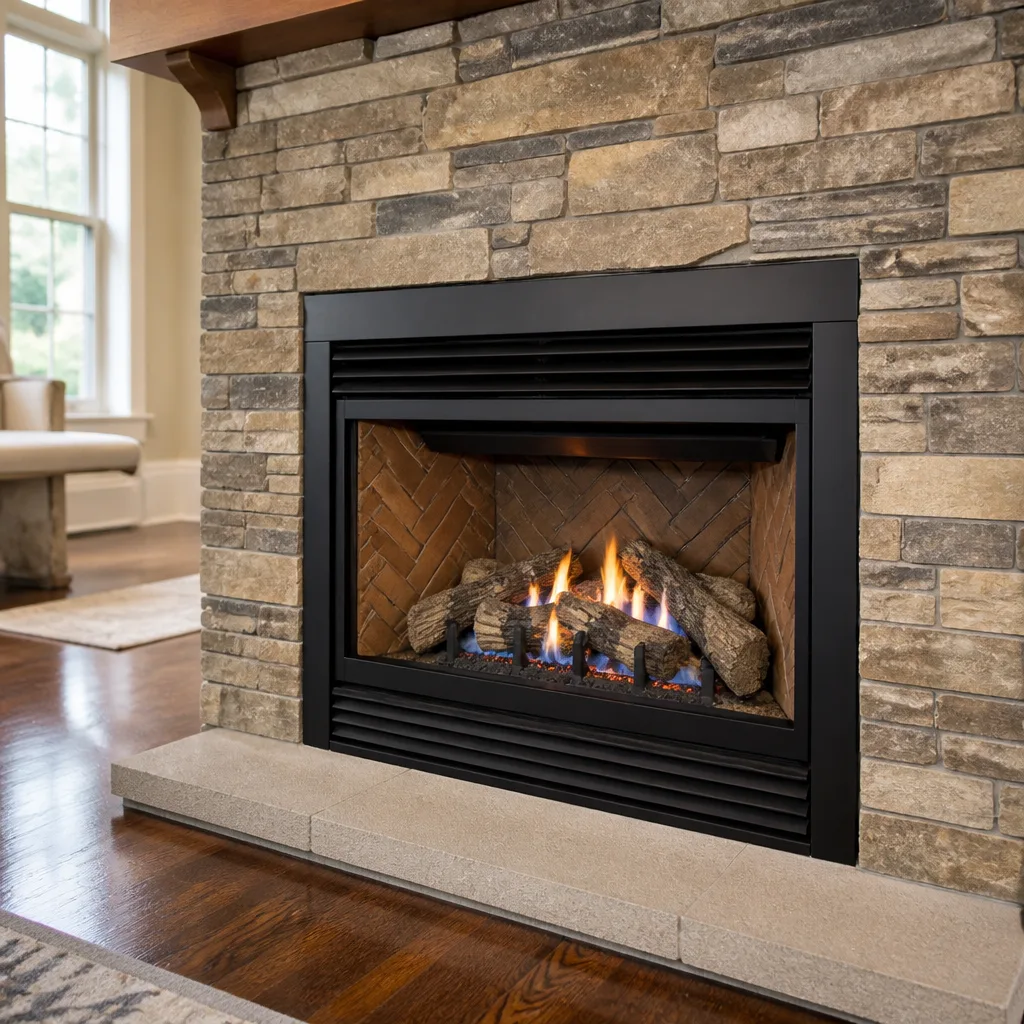 Gas fireplace service
Level 1 sweep and inspection to the NFPA 211 annual standard - flue, crown, cap, and flashing checked and photographed
Chimney sweep logs do not sweep chimneys. They loosen some creosote - which then falls where a brush and vacuum still have to collect it.
Chimney Cleaning Permits, Codes & Inspections in Bakersfield, CA: What You Need to Know
Chimney cleaning itself is permit-free in California. The repair work that cleaning often uncovers is not. That single split – maintenance versus construction – trips up more Bakersfield homeowners than almost any other part of chimney ownership, and it’s where we field the most confused phone calls. A homeowner books a routine sweep, we find a cracked flue tile or a failing crown, and suddenly the conversation shifts from soot to the Kern County building department. Unpermitted chimney work is also one of the most common red flags that surfaces during a Bakersfield home inspection and stalls a sale at the worst possible moment. This guide draws the line clearly: what’s exempt, what needs a permit, how California’s Title 24 energy code fits in, what NFPA 211 actually requires, and what “permitted work” documentation should look like in your file.
Quick Answer
Routine chimney cleaning, sweeping, and visual inspections in Bakersfield require no permit – they’re classified as maintenance. But structural repairs, relining, firebox rebuilding, and any modification to the chimney or venting system almost always require a Kern County building permit, and work done without one can be discovered during a home inspection, complicate a sale, and force expensive remediation. When in doubt, call the City of Bakersfield’s building department or ask your chimney contractor to confirm before work begins.
Styles & brands we work with
- Sweep & inspection
- Caps & crowns
- Flue relining
- Masonry repair
- Gas fireplace service
Table of Contents
- What’s Permit-Free: Cleaning and Sweeping
- What Requires a Kern County Building Permit
- California Title 24 and Fireplace Modifications
- NFPA 211: The Baseline Code for Chimney Inspections
- What “Permitted Work” Documentation Looks Like
- Unpermitted Work: Real Consequences at Resale
- The Three Levels of Chimney Inspection
- Common Mistakes to Avoid
- When to Call a Professional
- Frequently Asked Questions
What’s Permit-Free: Cleaning and Sweeping
A standard chimney sweep requires no permit anywhere in California, including Bakersfield. Sweeping removes creosote, soot, and debris from the flue – it’s a maintenance action, not a structural change. The same is true of a Level 1 visual inspection done as part of the sweep, and of minor maintenance like replacing a chimney cap, clearing a bird’s nest, or removing a debris blockage from the flue.
Here’s what falls squarely into the permit-exempt category:
- Routine sweeping of wood-burning fireplaces, inserts, and flues
- Level 1 inspections – a visual check of readily accessible portions of the chimney
- Level 2 inspections done for a home sale or after a chimney fire – these are diagnostic, not construction, so no permit is involved (though the video scan may reveal repair work that will need one)
- Chimney cap replacement – swapping a damaged cap for a new one is maintenance, not construction
- Removing a blockage – nests, leaves, or fallen debris
- Minor firebox cleanup that doesn’t involve relaying brick or repairing mortar
In our experience, most Bakersfield homeowners who call us for an annual sweep never need to think about a permit at all. The sweep itself takes less than an hour, the inspection is folded in, and they’re done. The permit question only becomes real when the inspection surfaces a structural problem. That’s the pivot point, and it’s where the rest of this guide lives.
The seasonal rhythm matters too. Bakersfield summers are long and hot, and most fireplace use doesn’t begin until the first cool evenings. That gives homeowners a wide window – late summer into early fall – to schedule a sweep and inspection before burning season starts. Doing it early means if a repair turns out to be permit-required, there’s time to pull the permit and get the work done before the first fire, not after.
What Requires a Kern County Building Permit
Structural chimney work is construction, plain and simple, and construction in Bakersfield falls under Kern County’s building permit process. The general rule: anything that changes the structure, alters the flue, or touches the firebox lining requires a permit. Anything that only cleans or maintains does not. Most cities also require a permit for structural repair work, so if you’re outside Bakersfield’s city limits but still in Kern County, the same logic applies – ask the building department before the first brick is laid.
Tasks that typically require a Kern County building permit include:
- Relining the chimney – installing a new stainless liner or cast-in-place liner (like HeatShield restoration) is a structural alteration to the flue and requires a permit
- Firebox rebuilding – re-laying firebrick or repairing refractory mortar changes the combustion chamber and needs a permit
- Crown replacement or repair – rebuilding the concrete crown at the top of the chimney is structural
- Chimney cap and flue top reconstruction when the masonry is being rebuilt, not just recoated
- Adding or modifying a wood-burning appliance – installing a new stove, insert, or changing the venting configuration
- Converting a wood-burning fireplace to gas when the venting system is being modified
- Significant masonry repair – repointing above a certain scale, rebuilding a chimney stack, repairing a chimney that’s separating from the house
- Any work triggered by a chimney fire that damaged the flue’s structural integrity
Where the line gets fuzzy is around minor tuckpointing and small mortar repairs. A homeowner might call that maintenance; a building department might see it as repair requiring a permit depending on scale. When there’s any doubt, the answer is to call the City of Bakersfield’s building department and describe the work precisely. We do this routinely during chimney repair estimates because the permit question changes the timeline, not the price of the estimate itself.
California Title 24 and Fireplace Modifications
California’s Title 24 energy code governs new construction and significant alterations to existing buildings, and it has a specific relationship to fireplaces and chimneys. The code restricts the installation of new wood-burning fireplaces in many circumstances and sets requirements for how a fireplace or chimney modification interacts with the building’s energy envelope. For Bakersfield homeowners, the practical relevance is straightforward: when a permit-required chimney modification happens, Title 24 compliance can enter the picture.
Three scenarios where Title 24 tends to matter most:
- Converting a wood-burning fireplace to gas – the venting changes can trigger energy code review of the enclosure and the appliance’s efficiency characteristics
- Sealing an unused chimney – when a chimney is decommissioned, the code cares about how the opening is sealed and how it affects the building envelope
- Replacing a fireplace insert – new inserts are subject to efficiency and emissions standards, and compliance documentation is usual for permitted work
Title 24 compliance isn’t typically a homeowner’s job to interpret – it’s the contractor’s and the building department’s. But it’s worth knowing that a permitted chimney repair in Bakersfield is more than a bureaucratic stamp. The permit pulls the work through a code review that confirms the modification meets both structural and energy standards. That review is precisely what protects you at resale, because it creates a documented trail that a home inspector and a buyer’s agent can verify.
For routine cleaning, none of this applies. Title 24 doesn’t regulate sweeping. It only comes into play when the work crosses into permitted construction, and that’s why the permit line on a chimney is also the point where energy code becomes relevant.
NFPA 211: The Baseline Code for Chimney Inspections
NFPA 211 – the National Fire Protection Association’s standard for chimneys, fireplaces, vents, and solid fuel-burning appliances – is the baseline reference that most California jurisdictions, including Kern County, use as the framework for chimney inspections. When we inspect a chimney in Bakersfield, NFPA 211 is the standard that defines what we’re looking for, how thorough the inspection should be, and what constitutes a defect worth documenting.
NFPA 211 distinguishes between three levels of inspection, and understanding them clarifies what your inspection report should cover:
- Level 1 – a visual inspection of readily accessible portions of the chimney, the appliance, and the venting. Appropriate for routine annual service when the system hasn’t changed and there’s no known problem.
- Level 2 – a more thorough inspection that includes accessible attics, crawl spaces, and a video scan of the flue interior. Required when a property changes hands, when an appliance is being replaced, or after a chimney fire or earthquake.
- Level 3 – a diagnostic inspection that may involve removing parts of the chimney or building finish to reach concealed areas. Undertaken when a serious hazard is suspected.
In our experience, most Bakersfield homeowners need a Level 1 inspection every year and a Level 2 inspection at key transition points: buying or selling a home, after a chimney fire, after a seismic event, or when a new appliance is installed. The video scan on a Level 2 is where real information comes from – it’s what turns a visual guess into evidence you can see for yourself. This is why we include a camera inspection and photo report with our inspections, and why the findings are documented in writing rather than delivered verbally and forgotten.
NFPA 211 is also why a chimney inspector should have the authority to say “this can wait.” Not every defect requires immediate repair. A slightly worn crown that’s still shedding water may be fine for another season. A flue liner with a hairline crack that hasn’t compromised the venting path may be worth monitoring. NFPA 211 gives the framework for that judgment, and a good inspector uses it to distinguish between real hazards and cosmetic wear.
What “Permitted Work” Documentation Looks Like
When a chimney repair in Bakersfield requires a permit, the paperwork that follows is more valuable than most homeowners realize. Even if your contractor pulls the permit, you should request a copy for your records. That file is what proves the work was done legally when you sell the house, refinance, or file an insurance claim years later.
A complete permitted-work file for a chimney repair typically includes:
- The building permit itself – showing the scope of work, the permit number, and the issuing jurisdiction
- The final inspection sign-off – the building inspector’s confirmation that the work was done to code
- Scope of work documentation – a written description of what was repaired, relined, or rebuilt
- Material specifications – the brand and type of liner or components installed (for example, a HeatShield restoration specification or a DuraFlex liner system spec sheet)
- Photos of the work in progress – particularly for concealed work like liner installation inside the flue
- Warranty documentation – manufacturer warranty for warrantied components like Gelco or Olympia Chimney products
- Before-and-after video or photo record of the flue interior when relining or restoration was performed
We’ve seen buyers walk away from Bakersfield homes because a chimney repair from years earlier had no paper trail, no final inspection, and no way to confirm what was installed inside the flue. That’s a solvable problem – but only if the homeowner asks for the documentation when the work is done, not years later when the file has scattered.
The same principle applies to inspections. A written inspection report with photos is valuable whether or not a permit is involved. It’s your record of the chimney’s condition at a point in time, useful for insurance, real estate, and future reference. When we do an inspection, the goal is to leave you with something you can actually file and refer back to, not a verbal summary that evaporates by the time you’re back inside the house.
Unpermitted Work: Real Consequences at Resale
Unpermitted chimney repairs are one of the most common red flags that surface during a Bakersfield home inspection. The discovery usually happens in one of three ways: a home inspector notices a liner that doesn’t match the chimney’s era, a buyer’s agent runs a permit history and finds no record of a repair the seller disclosed, or a Level 2 inspection during escrow reveals work that doesn’t match what’s documented. Any of those triggers a conversation nobody wants to have in the middle of a sale.
What follows is one of two paths, and both are more expensive than doing it right the first time:
- Retroactive permitting and inspection – the seller has to pull a permit for work already completed, which may require opening walls or flues to prove the work meets code, and then paying for the inspection and any corrections the building department requires.
- Re-doing the work – if the original work can’t be verified or doesn’t meet code, the buyer may require it to be redone entirely to close the sale.
Neither path is cheap, and both add weeks to a transaction timeline that was already tight. In a Bakersfield market where a home inspection is standard practice, an unpermitted chimney repair can become a negotiating chip, an escrow extension, or in some cases a reason for a buyer to walk. The cost of a proper permit and inspection during the original repair is a small fraction of what remediation costs when it’s discovered at the wrong moment.
There’s also the safety dimension. Unpermitted work isn’t automatically bad work, but it hasn’t been verified by a building inspector, and chimney defects are not always visible from outside. A flue liner installed without inspection could be improperly sized, improperly sealed at the top, or missing a critical component. Those failures are discovered by a camera scan, not by the eye. When we quote a chimney repair, we build the permit path into the conversation from the start, because the alternative is a homeowner discovering the gap years later at the worst possible moment.
The Three Levels of Chimney Inspection
NFPA 211 defines three inspection levels, and knowing which one your situation calls for is the fastest way to understand what a chimney inspection in Bakersfield actually involves. Each level serves a different purpose, and each reveals different things.
Level 1 Inspection
A Level 1 is the annual visual check. It covers readily accessible portions of the chimney, the firebox, the damper, and the visible venting. It’s appropriate when the system hasn’t changed and there’s no known problem. A Level 1 is typically included with a routine sweep.
Level 2 Inspection
A Level 2 adds a video scan of the flue interior and inspection of accessible attic and crawl space areas. This is the inspection you want when buying or selling a home, after a chimney fire, after an earthquake, or when a new appliance is being installed. The video scan is where most real findings come from – it’s how you see cracks, gaps, and liner damage that a visual check misses.
Level 3 Inspection
A Level 3 is a diagnostic inspection that may require removing parts of the chimney or building finish to access concealed areas. It’s reserved for suspected serious hazards where the only way to confirm the problem is to open things up.
In our experience, homeowners in Bakersfield most often need a Level 1 annually and a Level 2 at transition points. The written report matters as much as the level. When we inspect a chimney, findings are documented with photos so the homeowner has a record for insurance, real estate, or future reference – not a verbal summary that gets forgotten. The three levels give structure to the decision about what to inspect and when; the documentation is what makes the inspection useful long after we’ve left.
Common Mistakes to Avoid
- Skipping the permit for a liner installation. A reline is structural work, not maintenance, and it requires a Kern County building permit. Homeowners who let a contractor install without one often discover the gap at resale.
- Assuming a “sweep” includes an inspection. Some services sweep and leave without documenting condition. The findings from an inspection are what tell you whether a permit-level repair is coming.
- Not requesting a copy of the permit and final inspection. Even when the contractor pulls the permit, you want the paperwork in your own file. We’ve seen Bakersfield sellers scramble to reconstruct a permit trail from years earlier because nothing was saved.
- Treating a home inspection finding as final. A home inspector spots something, but a Level 2 video scan confirms or rules it out. Get the camera evidence before accepting or rejecting a repair recommendation.
- Doing structural repair without confirming Title 24 implications. Fireplace conversions and insert replacements can trigger energy code review, and a permit path handles that review properly.
- Hiring based on price alone. A low quote that skips the permit, the inspection documentation, or brand-name materials costs more in the long run than a proper job.
- Waiting until the first fire of the season. Bakersfield’s burning season starts on the first cool evenings. Sweep and inspect in late summer or early fall so a permit-level repair has time to be completed before the fireplace is needed.
When to Call a Professional
Call a professional when the work crosses from cleaning into diagnosis or repair. If you’re seeing smoke spilling into the room, smelling creosote odor year-round, noticing cracked masonry or a separating chimney stack, or if a home inspector flagged a chimney issue during a Bakersfield real estate transaction, that’s the moment. A chimney fire – even a small one – should trigger a Level 2 inspection before the fireplace is used again. And any time you’re considering a repair that would require a permit, having a professional confirm the scope with the building department saves you from discovering a gap later. We sweep, we inspect, and we repair as one integrated service, using professional-grade materials from HeatShield, Gelco, Olympia Chimney, and Famco. Harvest Chimney Sweep offers free estimates in Bakersfield – call (833) 605-6632. We answer 24/7. Fast dispatch from 7am to 7pm, Sunday through Friday.
Frequently Asked Questions
No. Routine chimney cleaning and sweeping are classified as maintenance and require no permit in Bakersfield or anywhere in Kern County. The permit question only arises when the work crosses into structural repair, relining, firebox rebuilding, or a significant modification to the chimney or venting system. If your sweep turns up a repair need, ask your contractor to confirm whether a permit is required before work begins. Call (833) 605-6632 for an exact quote – estimates are free.
Relining the chimney, rebuilding the firebox, replacing or rebuilding the crown, installing or modifying a wood-burning appliance, converting a fireplace to gas when venting is modified, and significant masonry repair all typically require a Kern County building permit. Routine sweeping, cap replacement, and minor maintenance do not. When there’s doubt, call the City of Bakersfield’s building department and describe the work precisely. Call (833) 605-6632 for an exact quote – estimates are free.
NFPA 211 is the National Fire Protection Association standard for chimneys and fireplaces, and it’s the baseline reference most California jurisdictions, including Kern County, use for chimney inspections. It defines the three inspection levels and what constitutes a defect worth documenting. When a Bakersfield chimney is inspected, NFPA 211 is the standard the inspector should be following. Call (833) 605-6632 for an exact quote – estimates are free.
Check the permit history with the City of Bakersfield or Kern County building department, depending on where the home is located. If no permit was pulled, a Level 2 inspection with a video scan can at least confirm the work’s condition and whether it meets code. Requesting documentation at the time of any repair – permit copy, final inspection sign-off, and material specs – is the way to avoid this question entirely. Call (833) 605-6632 for an exact quote – estimates are free.
Yes. Unpermitted chimney work is one of the most common red flags that surfaces during a Bakersfield home inspection, and it can stall or complicate a sale. Buyers may require retroactive permitting, re-inspection, or re-doing the work entirely, and any of those options adds cost and time to the transaction. Having a complete permit and inspection file from the original repair avoids the problem. Call (833) 605-6632 for an exact quote – estimates are free.
Title 24 energy code can apply when a fireplace or chimney modification is significant enough to require a permit – converting to gas, replacing an insert, or sealing a decommissioned chimney are common examples. The building department reviews the modification for both structural and energy code compliance during the permit process. Routine cleaning never triggers Title 24. Call (833) 605-6632 for an exact quote – estimates are free.
The Bottom Line
Chimney cleaning in Bakersfield is permit-free. Structural repair and relining are not. The dividing line between maintenance and construction is the single most useful thing to understand about chimney permits in Kern County, because it’s the line that determines whether your work will be verified by a building inspector and documented for the future. NFPA 211 gives the inspection framework; Title 24 adds energy code review when a permitted modification touches the building envelope; and the permit paperwork itself is the document that protects you at resale. When a sweep uncovers a repair need, a written estimate and a permit path are the answers – not a verbal guess. That’s how we work at Bakersfield, and it’s why we sweep, inspect, and repair under one roof with professional-grade materials.
If you’re ready to know exactly where your chimney stands, call (833) 605-6632 for a free estimate. We answer 24/7. Fast dispatch from 7am to 7pm, Sunday through Friday.
Written by the team at Harvest Chimney Sweep.
See the difference
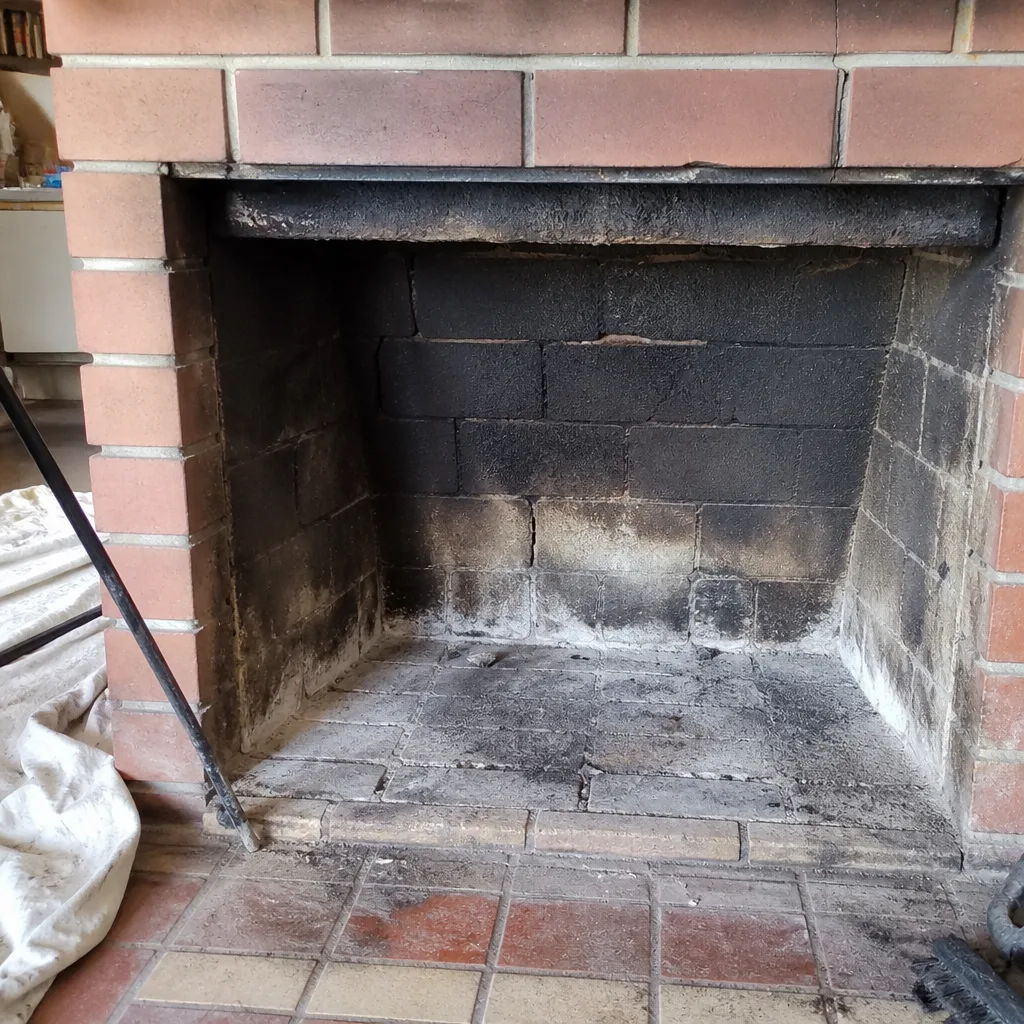 Before
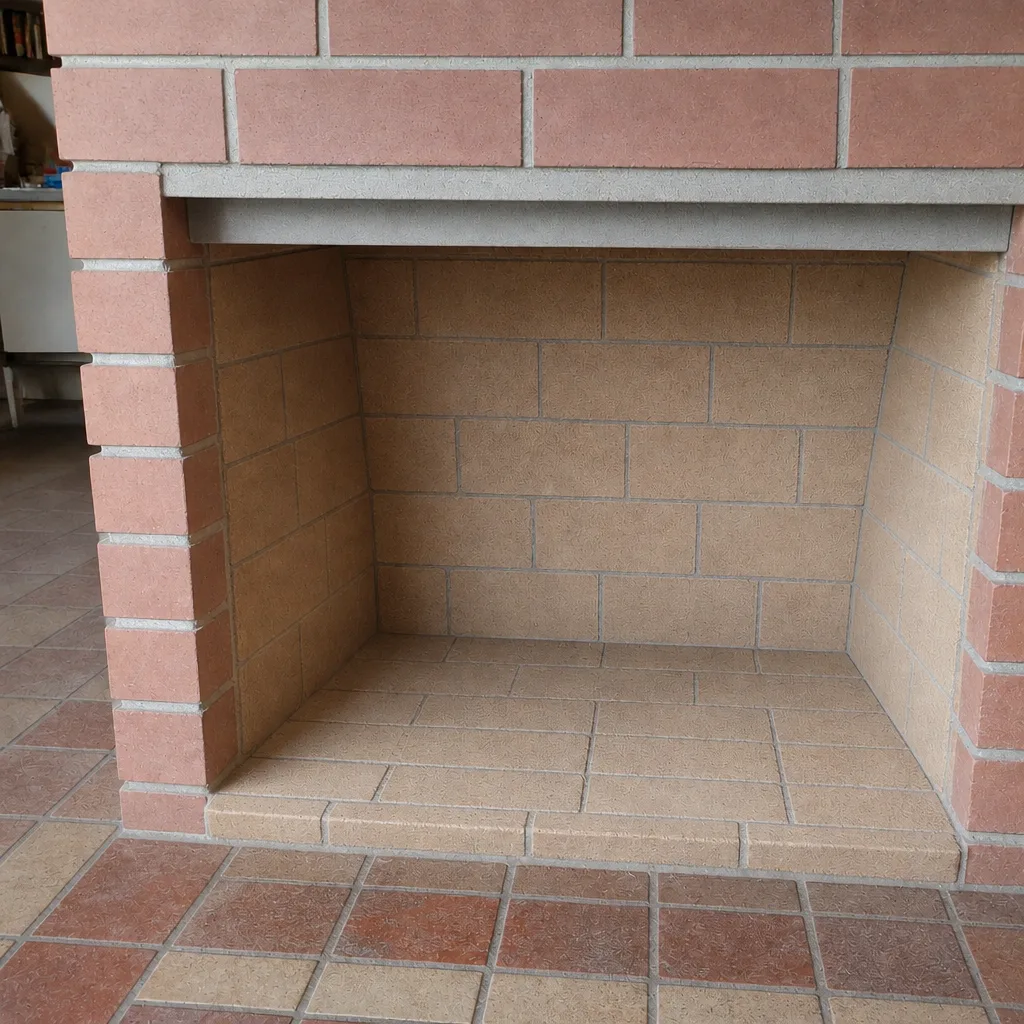 After
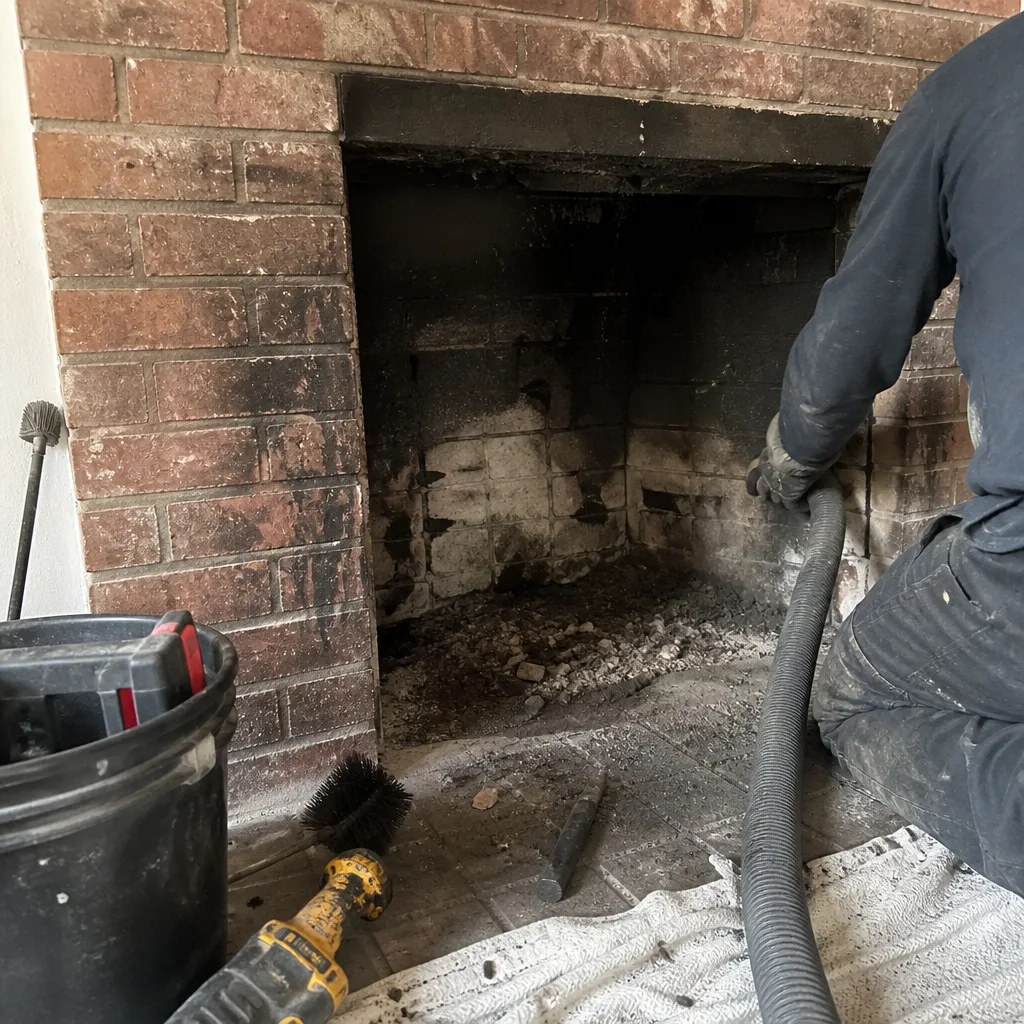 Before
 After
 Before
 After