
Last updated November 15, 2026
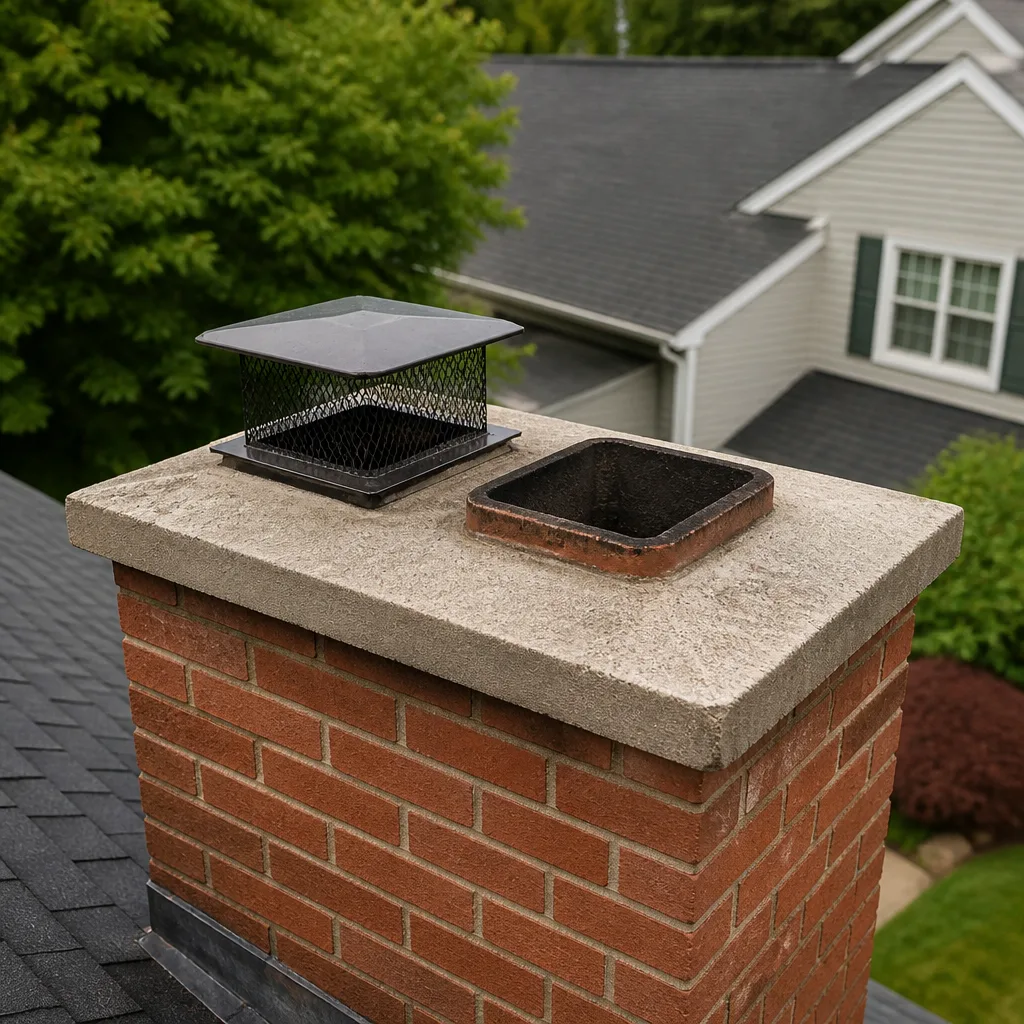 Sweep & inspection
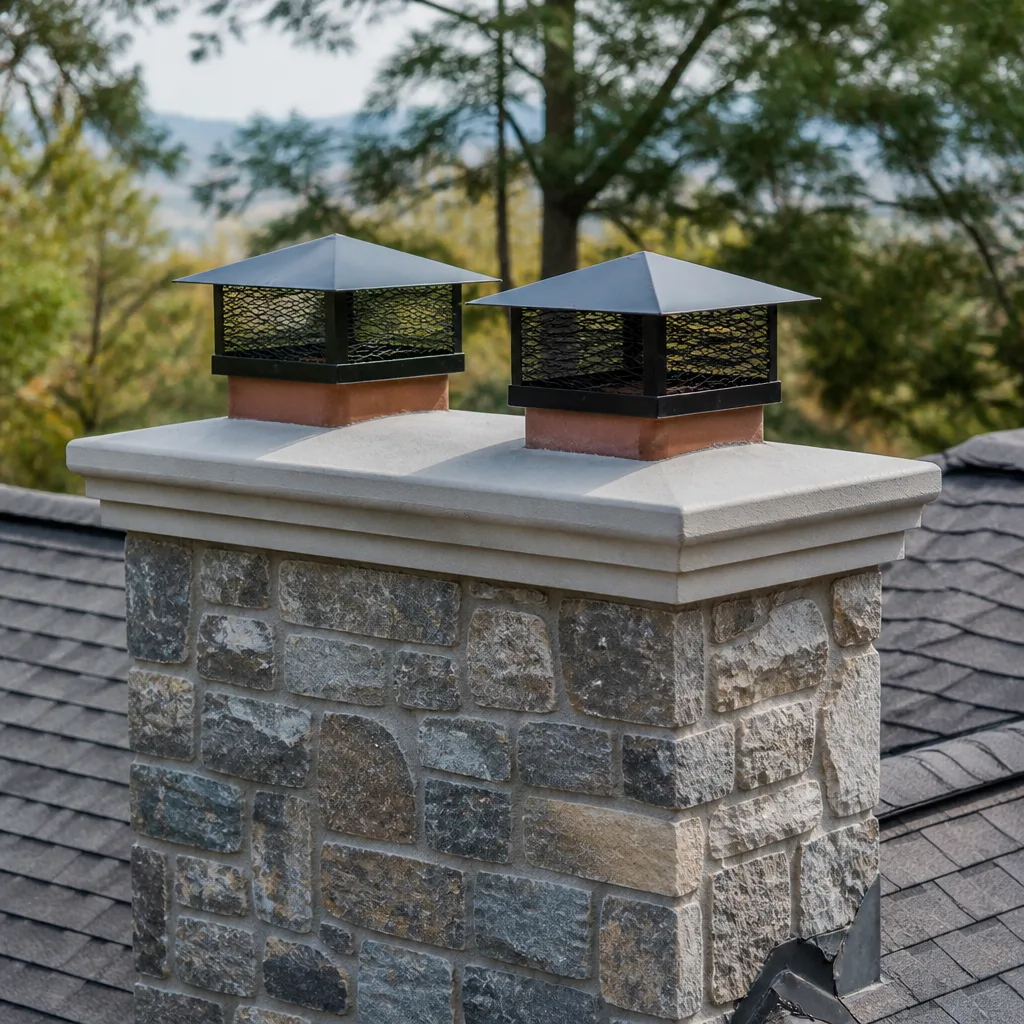 Caps & crowns
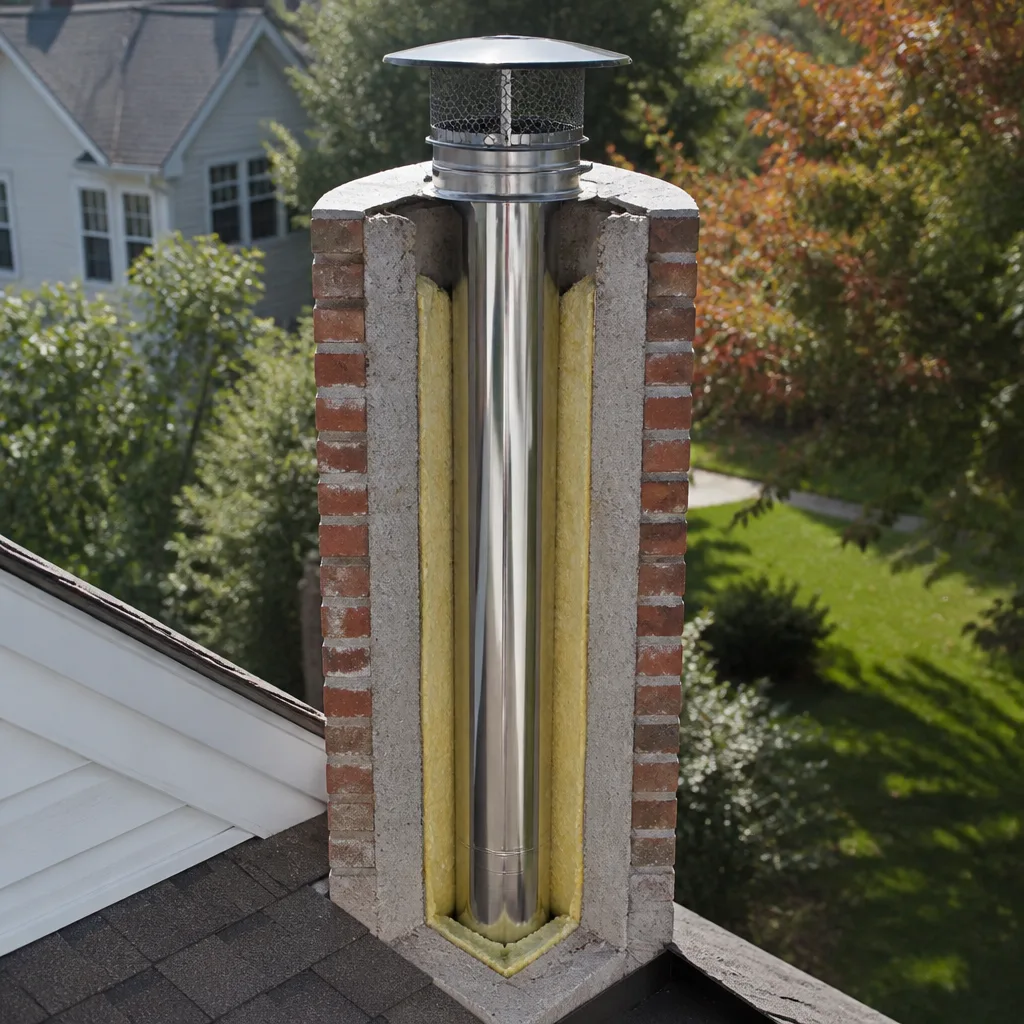 Flue relining
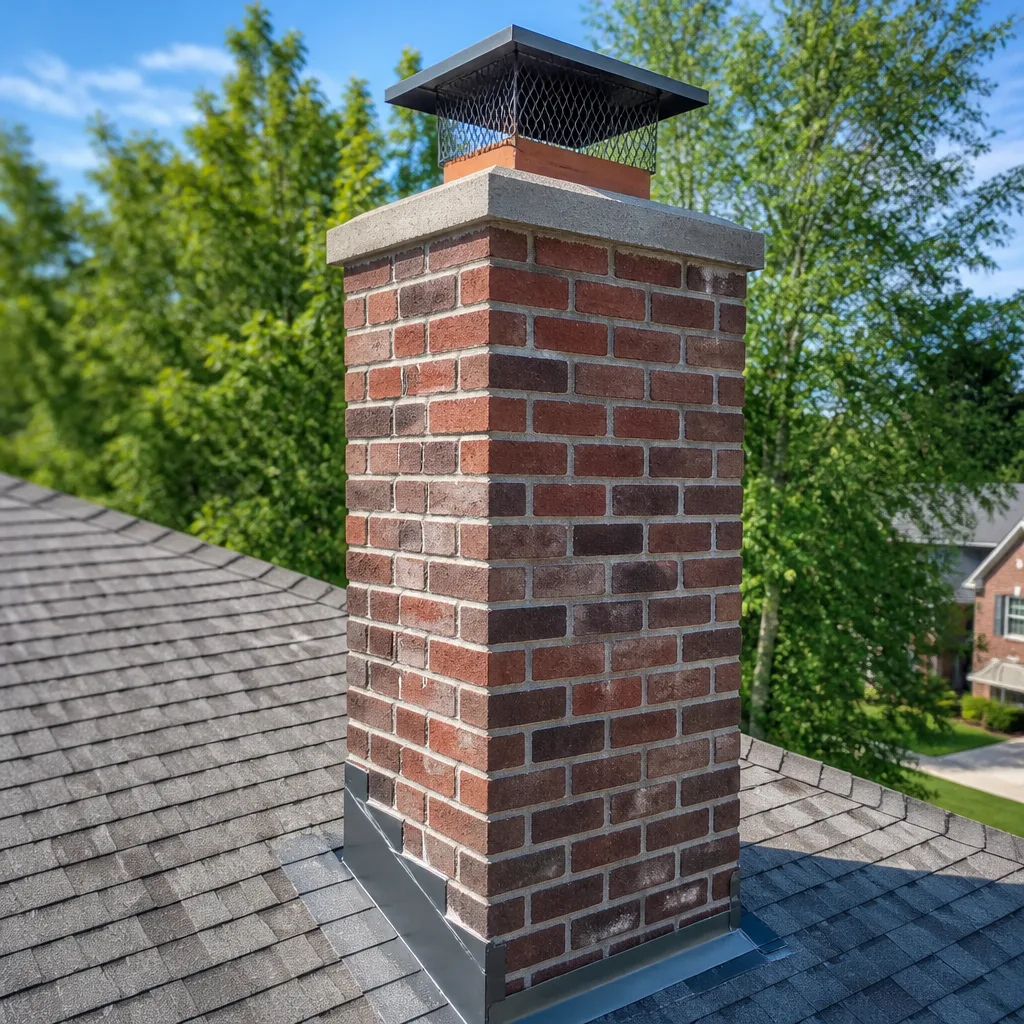 Masonry repair
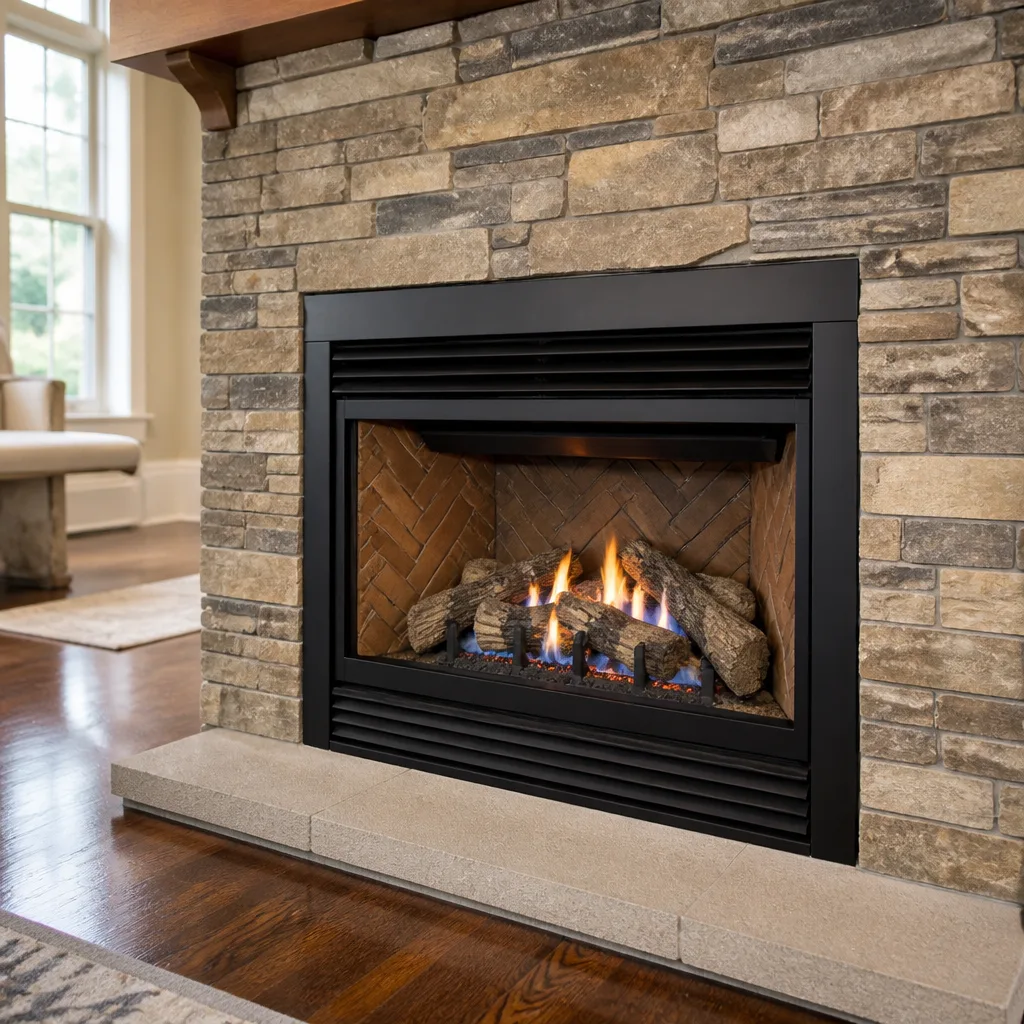 Gas fireplace service
Level 1 sweep and inspection to the NFPA 211 annual standard - flue, crown, cap, and flashing checked and photographed
Chimney sweep logs do not sweep chimneys. They loosen some creosote - which then falls where a brush and vacuum still have to collect it.
How to Hire a Chimney Cleaning Contractor in Bakersfield: A Step-by-Step Guide
Two chimney technicians can quote you within a few dollars of each other in Bakersfield, and only one of them will still be reachable when something goes wrong six months later. That’s the uncomfortable truth about this trade: price tells you almost nothing about what you’re actually buying. The sweeps who do thorough work and stand behind it, and the seasonal operators who appear with a brush and a classified ad, can land in the same price bracket. What separates them isn’t the quote. It’s the credentials, the paperwork, and the questions they’re willing to answer before they ever climb onto your roof.
This guide walks you through vetting a chimney contractor the way a careful homeowner should: what to verify, what to ask, what to read in an inspection report, and which red flags deserve a hard pass. By the end you’ll know how to check a license in under two minutes and how to spot a scope of work that protects you from a dispute you’d otherwise lose. We’ll keep the Bakersfield market in view throughout, because the valley’s own conditions shape what a good contractor should be telling you.
Quick Answer
To hire a chimney cleaning contractor in Bakersfield, verify three things before you book: current CSIA certification, an active California contractor license through the CSLB (a C-61/D-49 limited specialty license covers chimney work), and a written scope of work that lists exactly what will be swept, inspected, and documented. Then ask what happens if the cleaning uncovers a repair. A legitimate full-service contractor can quote and schedule that repair themselves; a sweep-only operator hands you a problem and drives away. The price matters least of all.
Styles & brands we work with
- Sweep & inspection
- Caps & crowns
- Flue relining
- Masonry repair
- Gas fireplace service
Table of Contents
- Why Vetting Matters More Than Price in Bakersfield
- The Credentials to Ask For and How to Verify Them
- The Five Questions to Ask Before You Book
- How to Read a Chimney Inspection Report
- Red Flags in Low-Bid Chimney Offers
- What a Written Scope of Work Should Include
- Timing Your Sweep Around Bakersfield’s Burning Season
- Common Mistakes to Avoid
- When to Call a Professional
- Frequently Asked Questions
Why Vetting Matters More Than Price in Bakersfield
Chimney work is one of the few home services where a cheap job can look identical to an expensive one from the ground. Nobody sees the flue. The homeowner sees a sweep walk in, spend an hour, hand over a receipt, and leave. Whether the full run of the flue was actually brushed, whether the smoke chamber was scraped, whether a cracked crown was noted or ignored: all of it happens out of sight. That invisibility is exactly why an unlicensed operator can undercut a specialist without doing anything risky to his own reputation. He isn’t building one.
Bakersfield adds its own wrinkle. This is a valley with long, hot summers and a burning season that runs through the cooler months, so fireplaces sit idle for much of the year and then get heavy use in a short window. A chimney that went a season or two without attention can accumulate creosote faster than the homeowner expects, and creosote is the fuel in a chimney fire. We’ve seen plenty of homes where the visible firebox looked clean while the flue above it told a different story. That gap between appearance and reality is the whole reason credentials matter.
But there’s a second, quieter reason to vet carefully. Chimney problems are structural. A deteriorating flue liner, a cracked crown, a failing mortar joint at the smoke chamber: these aren’t cleaning issues and they don’t get better with brushing. Catching them requires an inspector who knows what to look for, and fixing them requires a contractor who can actually do the repair. When sweeping, inspection, and repair live in three different companies, every problem becomes a handoff, and handoffs are where things get dropped. Our own approach keeps all three under one roof, which is why we can quote a liner issue the same day we find it. But whatever contractor you choose, know this going in: you want to be hiring someone with the range to identify and resolve a problem, not just the equipment to clean around it.
The Credentials to Ask For and How to Verify Them
Chimney sweeping isn’t a craft anyone should learn from a video. Two credentials separate trained professionals from everyone else, and both can be checked online in minutes. Ask for them before you book, and don’t feel awkward doing it. A contractor who does this work well will be glad you asked.
- CSIA certification. The Chimney Safety Institute of America certifies sweeps through an exam and ongoing education. You can verify a certified sweep through the CSIA’s public directory. If a company claims certification but can’t point you to a verifiable record, treat the claim as unproven. Certification shows a baseline of knowledge; it also signals that the technician keeps current on how chimneys are built and how they fail.
- An active California contractor license. Check the Contractors State License Board (CSLB) website. For chimney work you’re looking for a C-61/D-49 limited specialty contractor license. The CSLB lookup is free, takes about two minutes, and shows whether a license is active, expired, or suspended. It also shows whether the business carries the bond and insurance required of licensed contractors.
- Liability insurance and workers’ compensation. If a technician is injured on your roof or a tile cracks and falls, you want the contractor’s coverage to be in play, not your homeowner policy. Ask for proof of both. Licensed contractors can produce certificates without drama.
- Written confirmation of what they’ll do. This is where scope-limited operators get exposed. A sweep-only company can’t quote a liner repair, and you’ll see that limitation surface the moment you ask them to put the work in writing.
In our experience, the CSLB lookup alone weeds out a surprising number of seasonal operators working Bakersfield neighborhoods on word of mouth. And when it comes to the actual materials a contractor puts into your chimney, you can ask about those too. Serious companies install brand-name, warrantied components: DuraFlex liner systems, HeatShield resurfacing products, Olympia Chimney and Copperfield components. A contractor who can name and explain those materials is usually one who does real repair work rather than cleaning alone. If they can’t tell a DuraFlex liner from a generic substitute, that’s your answer about their range.
The Five Questions to Ask Before You Book
The fastest way to tell a full-service chimney company from a sweep-only operator is to listen to how they answer these five questions. You’re not trying to trip anyone up. You’re finding out whether this contractor can carry a chimney problem from discovery to resolution, or whether you’ll be making a second and third call to other companies once the cleaning is done.
- “What’s included in the sweep, specifically?” A real answer names the firebox, the damper, the smoke chamber, the flue, and the cap. A vague answer (“the whole chimney”) usually means the flue only. Skimming the firebox and flue and skipping the smoke chamber is the most common shortcut we hear about from homeowners in Bakersfield.
- “Do you inspect while you sweep, and do I get a report?” The good answer is yes and yes, with a written record. Anyone who says the inspection is “just part of it” without offering documentation is leaving you with nothing to show for the visit.
- “If you find a problem, can you repair it, or do I call someone else?” This question alone will sort the field. A company that sweeps, inspects, and repairs under one roof will say so plainly and be able to quote the repair. One that can’t will start hedging.
- “What brands of liner and repair materials do you work with?” Listen for names like DuraFlex, HeatShield, Olympia Chimney, or Copperfield. These are professional-grade materials specified for real restoration work. “Whatever the supplier has” is a different standard of care.
- “Do you require payment in cash, and will you give me a written estimate before any work starts?” Licensed contractors provide written estimates and take standard payment. Cash-only requirements and verbal quotes are the two most reliable signs of an operator you’ll struggle to hold accountable.
You’ll notice none of these questions is about price. That’s deliberate. Cost becomes meaningful once you know you’re comparing two contractors who both do real work. Before that, you’re comparing a full service to a partial one and calling it a price difference. If you want a sense of how we handle chimney cleaning at the service level, the chimney sweep page lays out what a visit includes.
How to Read a Chimney Inspection Report
An inspection report is your evidence. It’s also the document that tells you most clearly whether the contractor who wrote it is thorough or is cutting corners. Learn to read one and you’ve given yourself real leverage over how your chimney gets treated for years to come, because you’ll know when a recommendation is backed by a finding and when it’s a sales pitch dressed up as one.
A solid report describes, section by section, what the inspector saw. Look for these elements:
- A section-by-section breakdown. Firebox, damper, smoke chamber, flue, crown, cap, and exterior should each get their own note, even if the note is “in good condition.” Missing sections are a sign the inspection was partial.
- Specific language about conditions. “Creosote buildup, stage 2, third-degree glaze present in upper flue” is a finding. “Some buildup, should clean” is not. Vague language is the sound of an inspector protecting a company from liability rather than informing a homeowner.
- Photos or documented observations. Good inspections produce a visual record of what was found. A written account of what the camera saw gives you something you can show an insurer, a buyer, or a second opinion.
- Clear separation of “clean” vs. “repair.” The report should tell you what needs cleaning and, separately, what needs fixing. Conflating the two is how scope creep starts.
- Honest “wait and monitor” notes. A report that flags nothing as urgent when nothing is urgent is a good report. A report that finds a crisis in every chimney it sees is selling, not inspecting.
The single biggest red flag in a report is missing language around the flue liner and the smoke chamber. Those are the two places where problems do real damage and where signs of deterioration are easy to spot for someone trained to look. A report that mentions neither has probably skipped both. If you’re told a full reline is needed, ask to see the camera footage or the documented finding behind that recommendation. Nothing should be recommended that you can’t see evidence for yourself.
This is where having inspection and repair with the same company changes the experience. When an inspection turns up a liner problem, a full-service company documents it, quotes the fix, and schedules it. Our repair work with HeatShield and DuraFlex is exactly this: restoring deteriorated liners where possible, full relining where needed, based on what the inspection found. You can read more about that side of the work on our chimney repair page.
Red Flags in Low-Bid Chimney Offers
The lowest quote in a stack of estimates deserves scrutiny, not relief. Unlicensed seasonal operators have a business model, and it depends on getting into a house cheap, discovering a problem that sounds urgent, and extracting payment before the homeowner can ask questions. Here are the patterns we hear about most often in the Bakersfield market.
- The pressure upsell on the first visit. The price was $X to sweep, and now there’s a “found issue” that has to be fixed today or tomorrow, at a much higher cost, and only this company can do it. Real problems can wait a day or two while you get a second opinion. Pressure is not diligence.
- No markings on the truck or the van. Not every honest operator has a wrapped vehicle, but having no branding at all makes a company hard to trace once it’s off your property. Ask for the business name and license number in writing and check it. If the truck has no name and the paperwork has no license, there’s nothing to check.
- Cash-only requirements. Cash leaves no trail and no dispute mechanism. A licensed contractor takes a check, a card, or gives you an invoice you can pay however you like.
- Verbal quotes with no written scope. When the only record of what was agreed to is what the technician said out loud, you’ll lose the argument if the work doesn’t match the promise. Get it in writing every time.
- “We noticed your liner needs replacing” on a first sweep. Sometimes that’s true. But a reline recommendation deserves documentation, and any company that can’t offer you camera evidence of a failing liner is asking you to trust a stranger with a large bill. Ask for the finding behind the recommendation.
- No inspection report offered, or so generic it could apply to any house. A report that doesn’t say anything specific about your chimney, your flue, your crown, isn’t a report. It’s a receipt.
None of this means the cheapest quote is always wrong, or that a higher quote is always right. It means that credentials and documentation, not price, should decide it, and that a suspiciously low number deserves one more question before you hand over your keys.
What a Written Scope of Work Should Include
A verbal quote is a memory. A written scope of work is a contract, and when something goes sideways it’s the only thing that matters. The disputes homeowners lose most often are the ones where the scope was vague enough to interpret two ways, and the contractor’s interpretation wins because it’s the one that got billed.
A scope worth signing should spell out the following:
- The exact work being performed. Which components get cleaned, which get inspected, and anything that’s explicitly excluded. A line that says “sweep the flue” is not the same as “sweep and inspect firebox, damper, smoke chamber, flue, crown, and cap.”
- The materials to be used, by name. If a liner repair is part of the job, the scope should name the material: DuraFlex for a liner, HeatShield for resurfacing, Copperfield or Olympia Chimney termination components, and so on. Named materials are warrantied materials. “Standard liner” tells you nothing.
- Who does the work. The company name, and the fact that it’s the licensed business doing the job, not a subcontractor you’ll never meet again.
- The price, clearly itemized. Not a lump sum that obscures what each part of the job costs. An itemized estimate lets you compare like with like if you get a second quote.
- What documentation you’ll receive. The inspection report, any photos, and a record of findings you can keep.
- The remedy if something’s wrong. What happens if a repair fails, what’s the warranty on the components, and how do you reach the company afterward. This last one is where a company that only does one visit a year will struggle to answer.
In Bakersfield, where wood burning is a real part of home life for months of the year, a scope of work also protects future you. When you go to sell the house, a documented inspection and repair record is worth real peace of mind and can head off a buyer’s concern. Insurance companies sometimes ask for exactly this. A contractor who leaves you with an itemized scope and a written report has given you something no invoice can replace.
Ready to talk through scope? Call (833) 605-6632. We answer 24/7. Fast dispatch from 7am to 7pm, Sunday through Friday.
Timing Your Sweep Around Bakersfield’s Burning Season
The best time to schedule a cleaning in Bakersfield is before the first fire of the season, not after the first cold snap. Chimney services book up as the weather turns, and the homeowner who waited until the first chilly evening finds every contractor’s calendar full and ends up choosing whoever has an opening. A sweep in the warmer months costs the same and gets you the same thorough visit, but you’re not competing for slots with the whole neighborhood.
There’s a craft reason to schedule early too. The summer months are when liner problems don’t punish you for waiting a little. If an inspection in August turns up a deteriorating liner, you have time to get the repair quoted properly and completed without a scramble. If the same finding comes up in December and you’ve already got a fire burning, the pressure to do something fast can push a homeowner toward a rushed decision. The repair capability matters here: a full-service company can move from “we found this” to “we can fix this” on one schedule, which keeps you out of the scramble entirely.
For homes that burn regularly through the season, the practical rhythm is one cleaning per year, plus an inspection if anything about the chimney has changed: new roof work, a storm, a chimney cap that’s gone missing, or a fire that didn’t draft the way it usually does. Bakersfield sees its share of windy conditions, and wind is harder on caps and crowns than people expect. A cap that got knocked loose is a small repair that becomes a big one when rain and birds get in.
Common Mistakes to Avoid
- Hiring on price alone. The lowest quote and the most careful one can land within a few dollars of each other, so price is a weak signal. Vet on credentials and scope, and let price settle into place once you know what you’re comparing.
- Skipping the CSLB lookup. It takes two minutes. Not checking a contractor’s license before booking is the single easiest mistake to avoid, and the one with the biggest consequences if it goes wrong.
- Accepting “cleaning only” from a company that can’t repair. The sweep isn’t the goal. A safe, sound chimney is. A sweep-only operator can clean a system and leave a problem behind that nobody addresses until the next inspection, which might be a year later.
- Treating an inspection report as rubber-stamped paperwork. Read it. If it’s so vague it could apply to any house, ask for specifics before you pay. The report is your evidence, and vague language is how evidence gets lost.
- Ignoring the “wait and monitor” findings. Not every finding is a repair. Some are things to watch. A contractor who tells you honestly which is which has your interests in mind. Skipping the ones flagged for observation means you miss the point where observation turns into a problem.
- Failing to ask about material brands. If the only answer to “what liner materials do you work with?” is “the standard ones,” you’re not getting professional-grade components. Named materials like DuraFlex, HeatShield, Olympia Chimney, and Copperfield are how you know you’re getting a warranted, spec-compliant installation.
- Booking just before the first fire of the season. The calm months are the time. Waiting until everyone else calls means choosing from a thinner field, which is the opposite of what you want when vetting a contractor.
When to Call a Professional
Some situations are obvious. A visible plume of smoke coming back into the room, a strong draft when no fire is lit, or a smell of creosote on warm days all point to a chimney that needs attention now. Others are quieter: a damper that sticks, a cap that’s visibly damaged, masonry staining on the exterior wall near the chimney, or a creosote odor that worsens over time. Each is a reason to have someone trained look at the whole system rather than guess at one part of it. And there are the annual reasons, the ones simple habit handles: one cleaning a year, an inspection when anything has changed, and a documented record to carry forward. Chimney work involves real safety stakes. Creosote can fuel a chimney fire, and a blocked or damaged flue can let carbon monoxide back into the house instead of venting it out. Those aren’t reasons to panic. They’re reasons to be thorough. If anything on your chimney feels wrong, get it inspected before the first burn of the season. Harvest Chimney Sweep offers free estimates in Bakersfield: call (833) 605-6632.
Frequently Asked Questions
Chimney sweep pricing varies by contractor because each job is priced per estimate based on what the visit involves: flue length, access, and whether an inspection is included. The written estimate sets the final price, and you should get that estimate before any work starts. Ask whether the sweep includes an inspection and a written report; if it doesn’t, you’re comparing a partial service to a full one. Call (833) 605-6632 for an exact quote. Estimates are free.
Only if the inspection actually found deterioration in the existing liner, and you should be shown the evidence behind the recommendation. A liner protects the chimney structure and channels smoke and gases safely out of the house, so it matters, but not every worn liner needs full replacement. Some systems qualify for resurfacing products like HeatShield that restore the liner without a full reline. A full DuraFlex reline is the right call when the original liner is beyond restoring. The report should tell you which situation you’re in and why. Call (833) 605-6632 and we can walk through the finding with you before you commit to anything.
For a home that burns wood regularly through the season, one cleaning a year is the usual rhythm, plus an inspection if anything has changed: new roof work, a storm, a lost cap, or fire that behaves oddly. Homes that use a gas insert may go longer between cleanings but should still be inspected on a regular schedule because gas appliances can have their own venting issues. If you’ve been burning heavily and haven’t had a visit in more than a year, book one before the next fire season. Call (833) 605-6632 to get on the schedule.
Creosote builds up on the flue walls and stays there, and creosote is the fuel that makes a chimney fire possible. Small accumulations that go unchecked can turn into heavy, glazed deposits that are harder to remove and more dangerous. The other risk is what you don’t see: a damaged liner, a failing crown, or a blocked flue that lets carbon monoxide back into the home instead of venting it outward. Skipping one season isn’t a crisis in most homes. Skipping several quietly increases both risks. Call (833) 605-6632 and we can get a proper look before the season starts.
Ask for current CSIA certification and an active California contractor license, specifically a C-61/D-49 limited specialty license, which you can verify in minutes on the CSLB website. Also ask for proof of liability insurance and workers’ compensation. Beyond the paperwork, look for a company that can do the full range of chimney work: sweep, inspection, and repair. A sweep-only operator cleans a chimney but can’t fix what’s found.
Not necessarily, and often not. A low bid can be a sign of a scope-limited operator: someone who cleans the flue only, offers no written report, and can’t repair anything found during the visit. The cost of that cheap sweep is a second and third call to companies who can. Compare credentials and written scope first, then price. If a quote feels too low to be thorough work, ask what’s excluded from it. Call (833) 605-6632 for a free estimate you can compare against the others.
The Bottom Line
Hiring a chimney contractor isn’t complicated once you know what to look for. Check the CSIA certification and the CSLB license before you book; ask the five questions about scope, inspection, repair capability, materials, and payment terms; and insist on a written scope of work that names the components being cleaned, inspected, and repaired. When the inspection report arrives, read it section by section, and ask to see the finding behind any recommendation you don’t understand. The Bakersfield market has both careful specialists and seasonal operators, and the gap between them isn’t price. It’s documentation. The right contractor will be glad to show you every piece of it.
Ready to schedule? Call (833) 605-6632. We answer 24/7. Fast dispatch from 7am to 7pm, Sunday through Friday.
You can also explore more about how we work across Bakersfield, or start with an overview at Harvest Chimney Sweep.
Written by the team at Harvest Chimney Sweep.
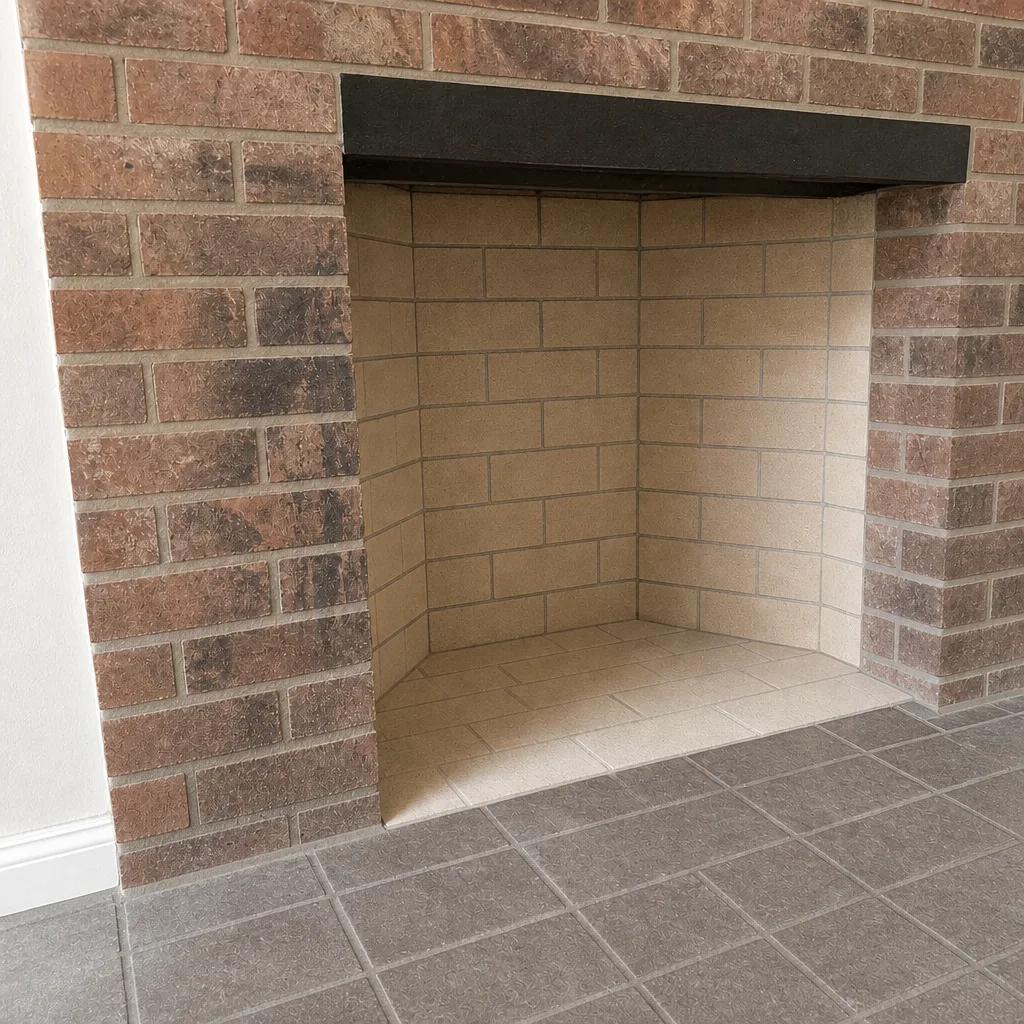
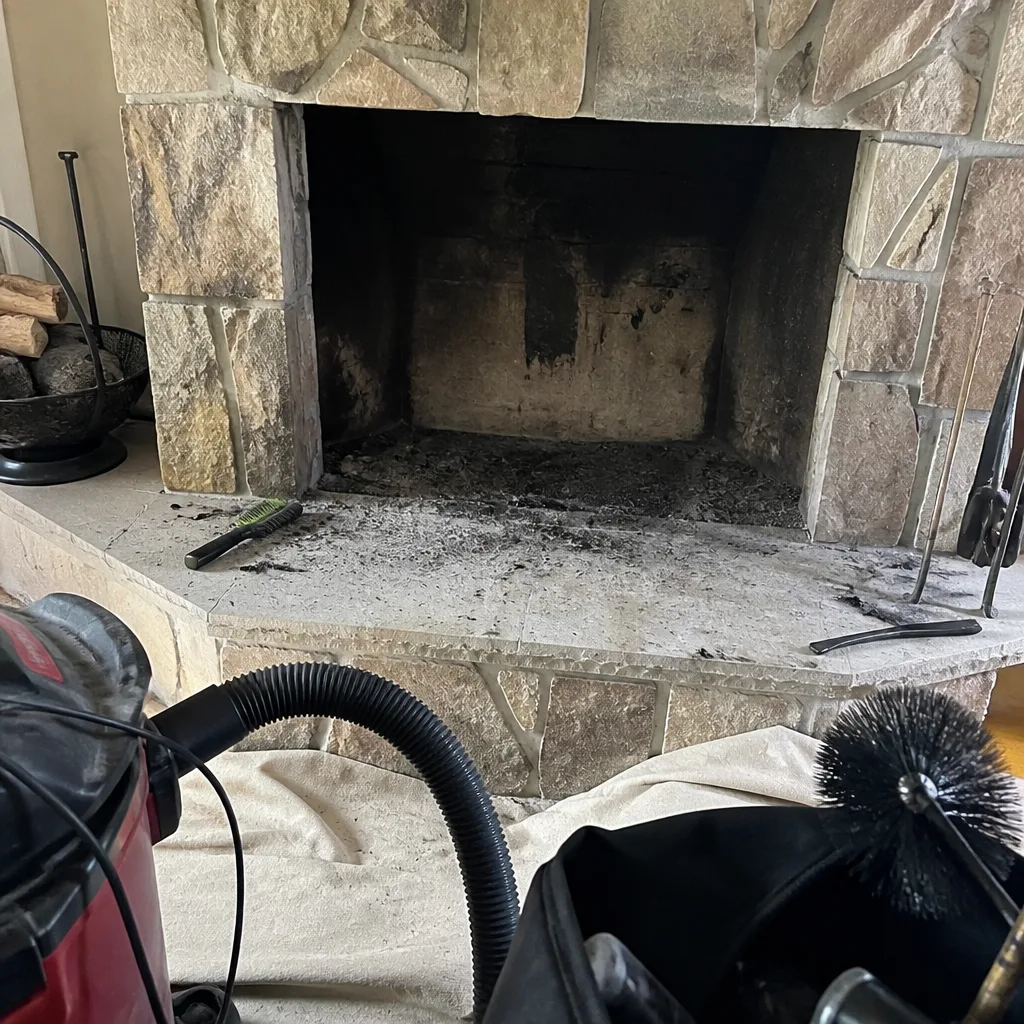
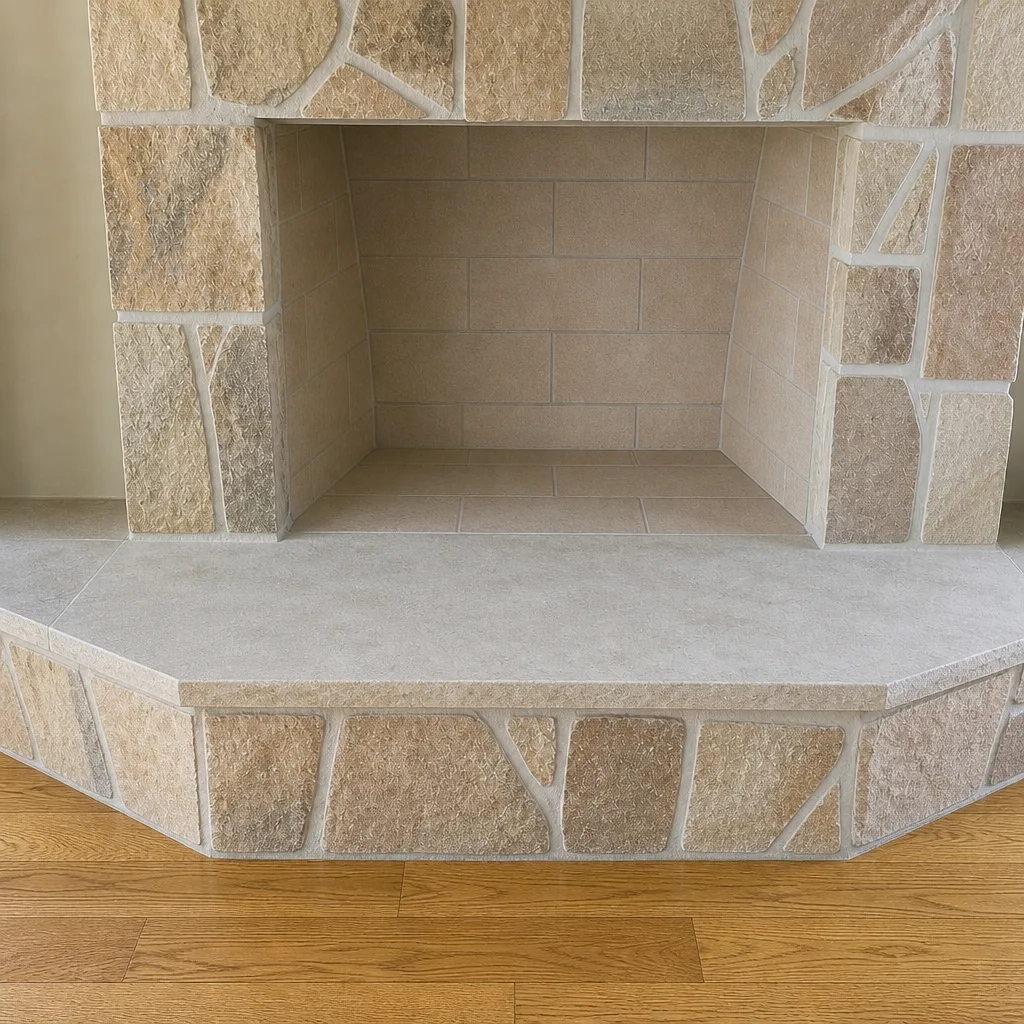
See the difference
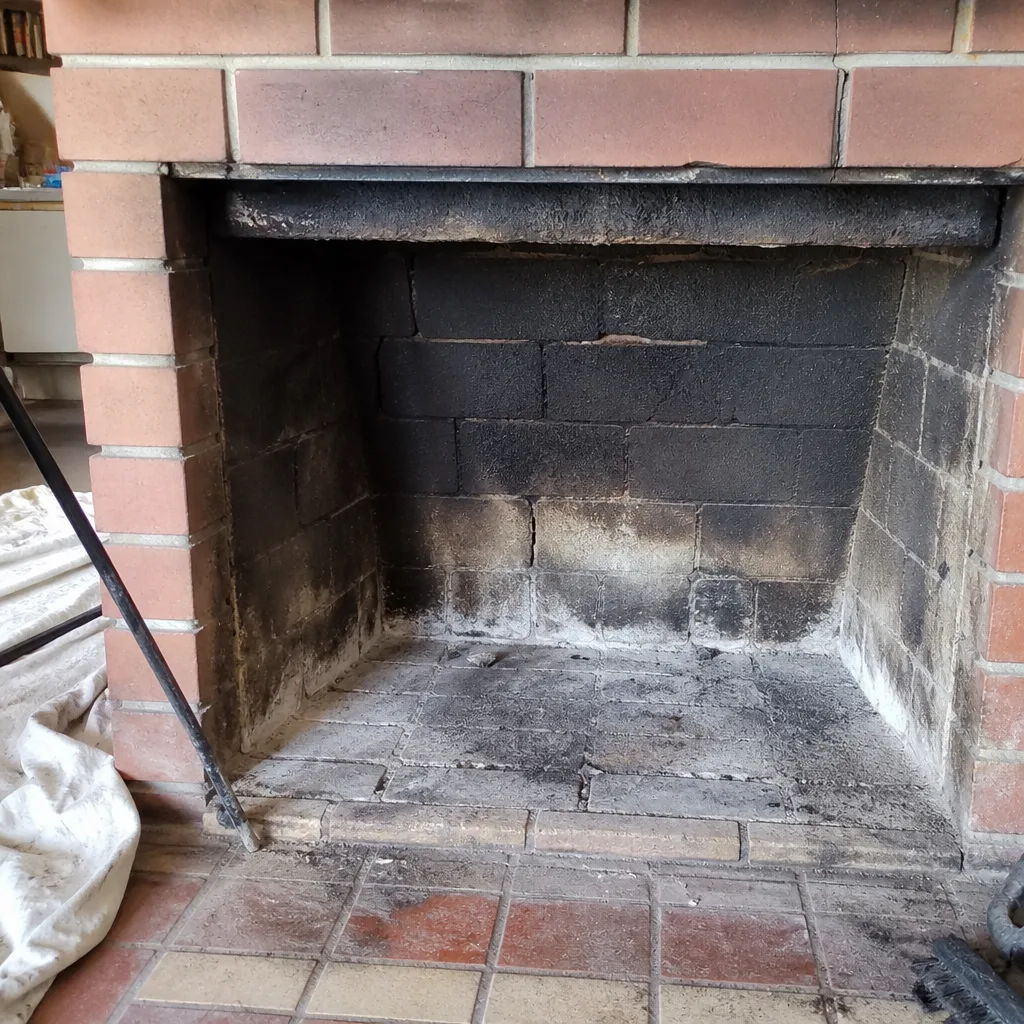 Before
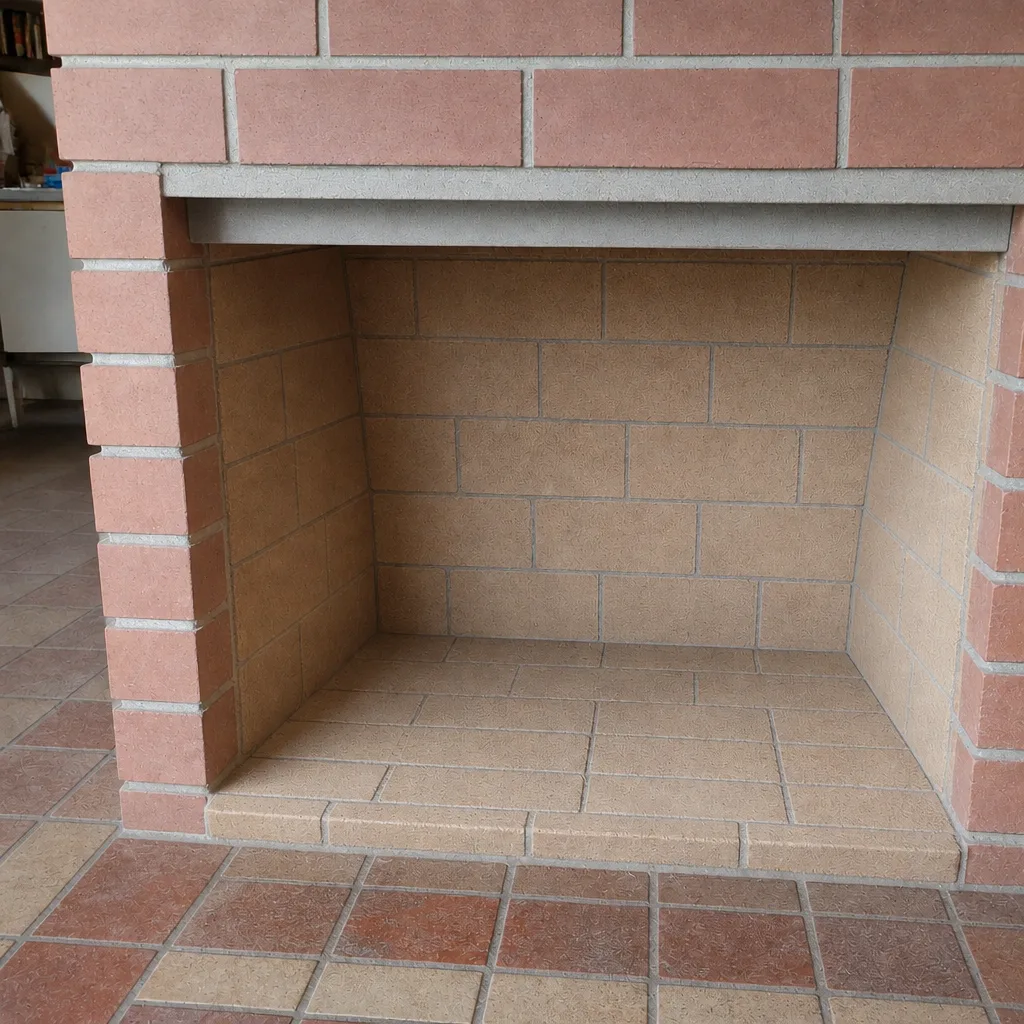 After
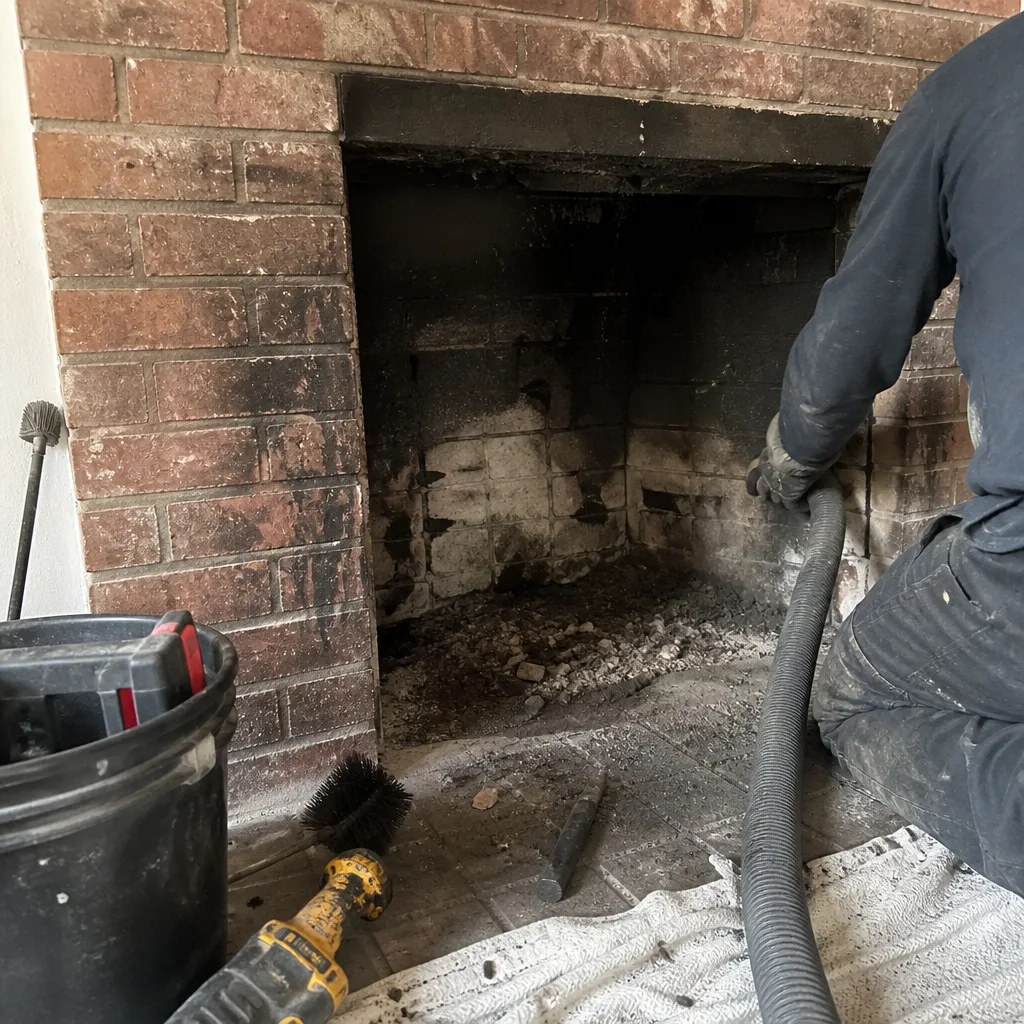 Before
 After
 Before
 After