
Last updated November 15, 2026
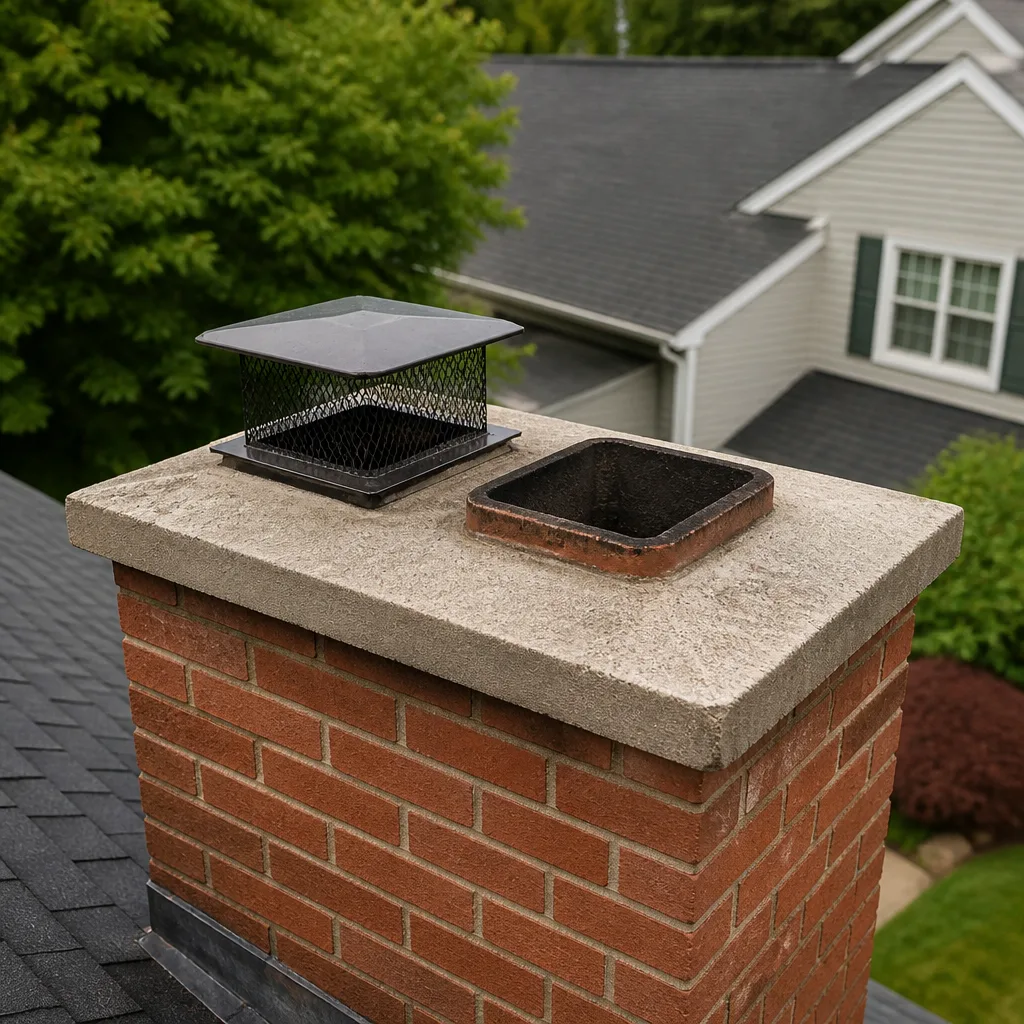 Sweep & inspection
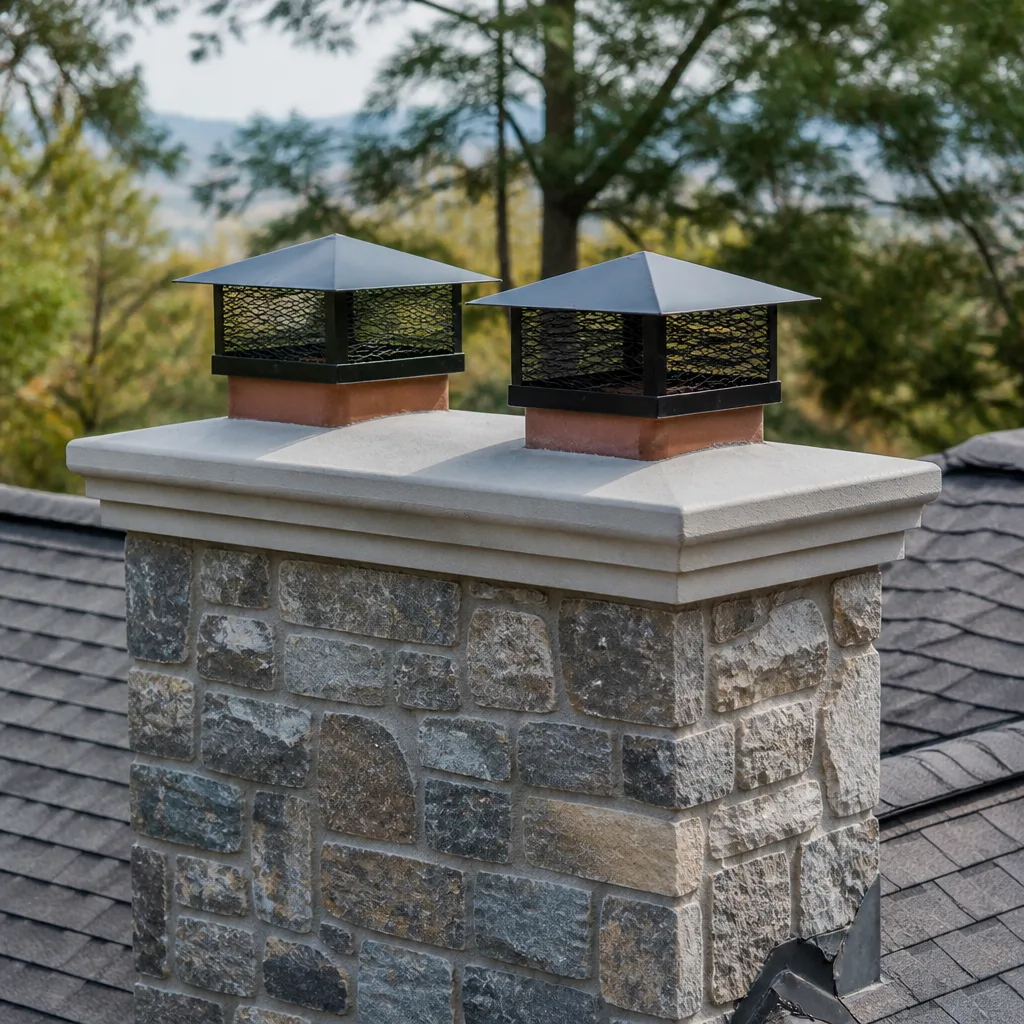 Caps & crowns
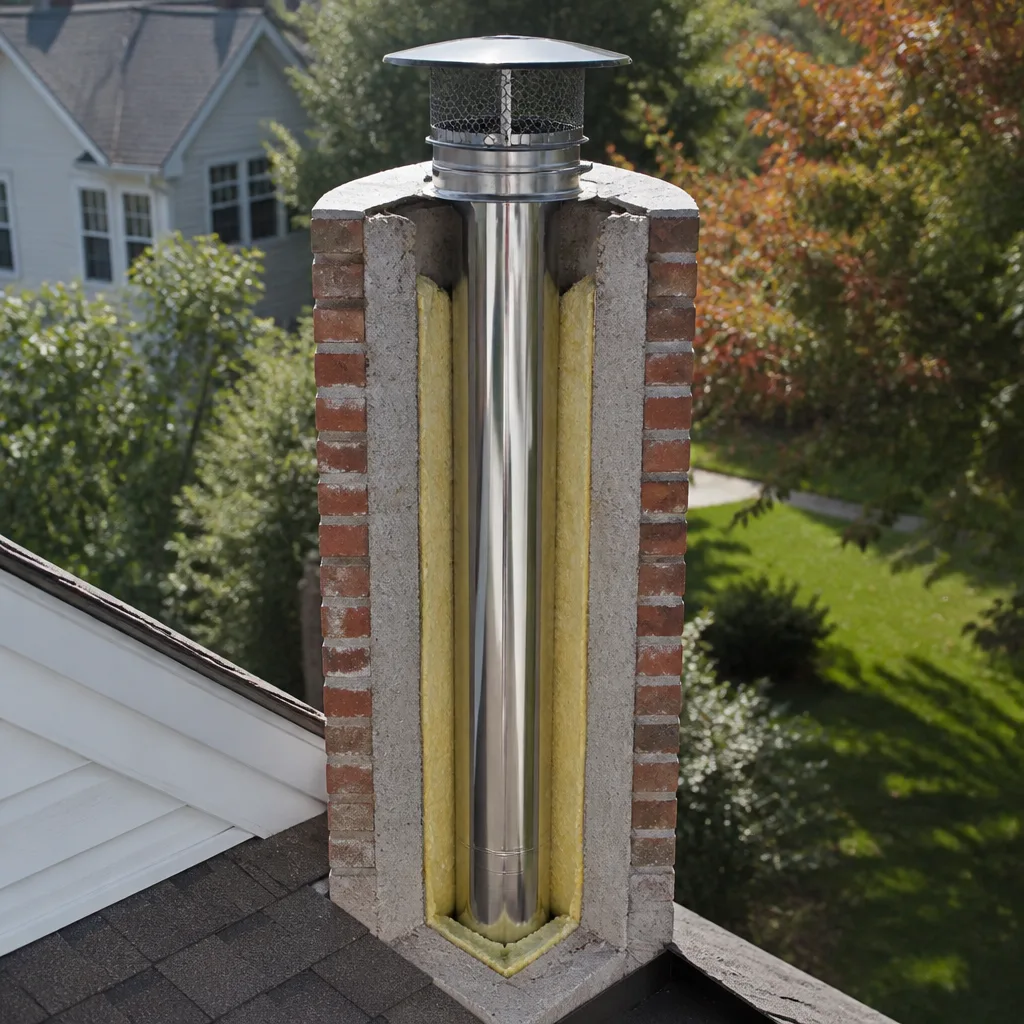 Flue relining
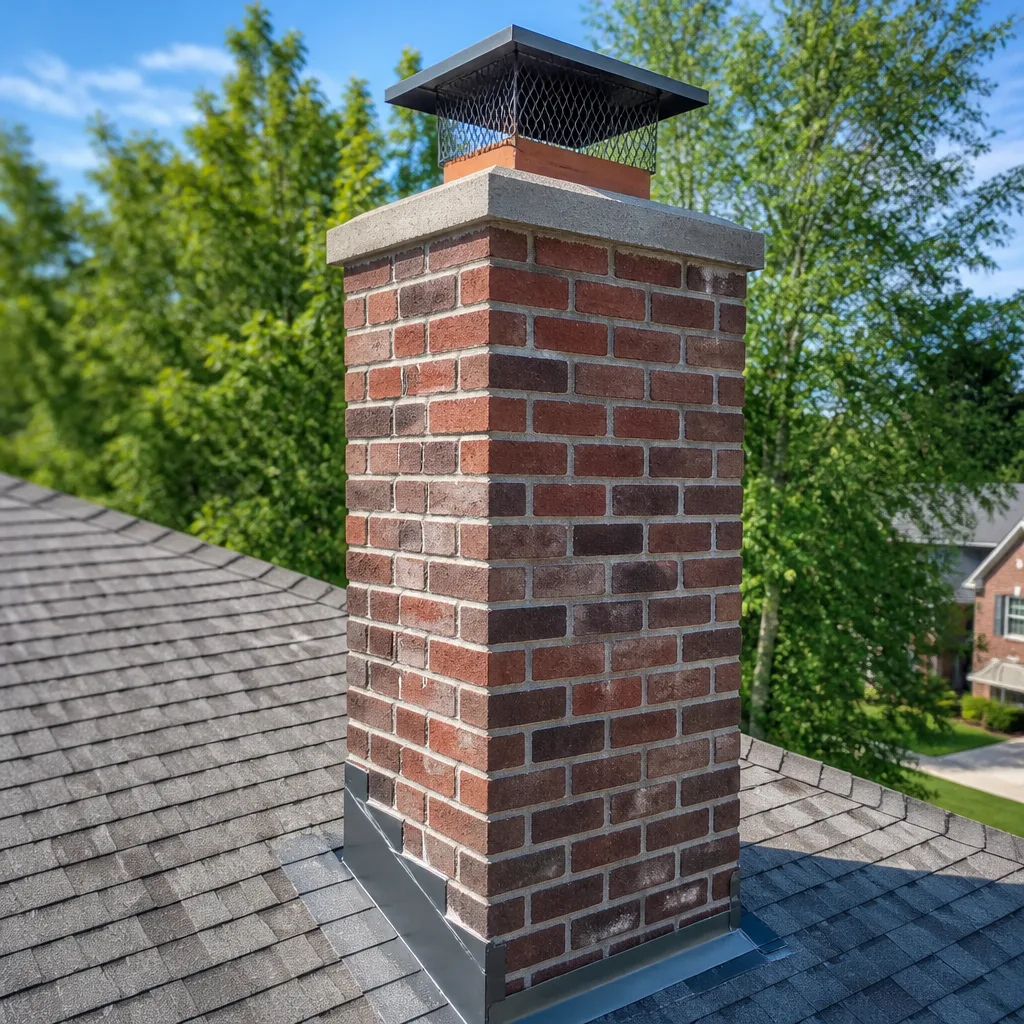 Masonry repair
 Gas fireplace service
Level 1 sweep and inspection to the NFPA 211 annual standard - flue, crown, cap, and flashing checked and photographed
Chimney sweep logs do not sweep chimneys. They loosen some creosote - which then falls where a brush and vacuum still have to collect it.
Chimney Sweep Maintenance Checklist for Bakersfield Homeowners
There’s no freeze-thaw damage in Bakersfield. Our winters are mild, the ground never heaves, and nothing about a Kern County January is going to crack a chimney crown. Yet the damaged crowns and spalled bricks we find on Bakersfield homes are real, and the culprit is the calendar most chimney checklists ignore: a long, brutal summer followed by a short, heavy burning season. Generic four-season guidance written for cold climates doesn’t fit here. This guide gives you a maintenance checklist built around Bakersfield’s actual weather year – triple-digit heat, Santa Ana and Diablo wind events, and the months when your fireplace actually earns its keep.
Quick Answer
A Bakersfield chimney needs three things every year: a professional sweep and inspection before the burning season starts, a visual check from the ground after any major wind event, and documentation of both so you have a written record. The best time to book is late summer or early fall, before the first fire, while the heat damage from summer is visible but the season hasn’t started. Between professional visits, your job is ground-level observation, not climbing.
Styles & brands we work with
- Sweep & inspection
- Caps & crowns
- Flue relining
- Masonry repair
- Gas fireplace service
Table of Contents
- Why a Bakersfield Chimney Needs Its Own Calendar
- The Month-by-Month Bakersfield Chimney Checklist
- Safe Ground-Level Checks You Can Do Yourself
- Nesting Season and Kern County Wildlife
- The Post-Wind-Event Checklist
- What to Photograph and Document Each Year
- What a Professional Sweep and Inspection Should Include
- When a Cleaning Turns Into a Repair
Why a Bakersfield Chimney Needs Its Own Calendar
Most chimney maintenance advice is written for places with hard freezes and heavy snow. Bakersfield doesn’t have those. What Bakersfield has is heat – sustained, dry, triple-digit heat through the summer – and that heat does its own kind of damage to masonry and metal.
Here’s the mechanism. Brick and mortar expand when they’re hot and contract when they cool. In a Bakersfield summer, that cycle repeats daily for months, with exterior surfaces baking in the afternoon sun and cooling sharply overnight. Over years, that expansion and contraction works on the weakest points: the mortar joints, the crown on top of the chimney, and the bricks themselves. Mortar starts to crack and crumble. Brick faces flake and spall. The crown – that sloped concrete cap that sheds water off the top – develops hairline cracks that widen over time. None of this comes from freezing. All of it comes from the summer heat cycle, and it’s why a Bakersfield chimney that looks fine from the street in spring can show real deterioration by fall.
Then there’s the burning season. It’s short here compared to colder regions, but it’s intense – homeowners burn hard through the cool months, and a wood-burning fireplace in heavy use builds creosote fast. Creosote is the tar-like residue left by wood smoke, and it’s flammable. A chimney that hasn’t been swept in a season of steady burning can carry a real accumulation.
On top of that, Bakersfield sits in a wind corridor. Santa Ana events and the local Diablo wind episodes push powerful, dry gusts through the region, and those gusts test every chimney cap, spark arrestor, and flashing on the roof. Add the region’s wildlife – birds and raccoons looking for a place to nest – and you have a chimney system facing pressure from heat, fire, wind, and animals across a single year. A checklist that only accounts for winter doesn’t cover any of that.
Understanding the full picture of chimney repair in this climate starts with recognizing that damage here accumulates quietly through the hot months, not dramatically through a freeze.
The Month-by-Month Bakersfield Chimney Checklist
This is the core of the guide: a task framework mapped to Bakersfield’s actual year. Print it, save it, or photograph it and stick it in a drawer. The point is that maintenance follows the local seasons, not a generic template.
Late Winter to Early Spring (roughly February to March)
- Book your annual sweep and inspection. The burning season is winding down, and a professional can clear the creosote that built up over the winter before it sits through the heat. This is also the best time to catch summer heat damage early, before it worsens.
- Walk the exterior from the ground. Look for loose bricks, crumbling mortar, or a cap that looks off-kilter after winter wind. Note anything that changed.
- Check the firebox. Look for cracked firebrick or a deteriorating mortar joint in the firebox lining. Small cracks get worse.
Spring (roughly April to May)
- Address any repairs the inspection flagged. Spring is the ideal window for repair work – the weather is cooperative and you’re not competing for scheduling slots with everyone else calling in the fall. A cracked crown or a deteriorating flue liner found in spring can be handled calmly now.
- Inspect and clean the cap and spark arrestor. Debris trapped in the mesh restricts airflow and invites nesting birds. Clear it.
- Look for signs of water intrusion. Rust stains, damp patches on the ceiling near the chimney, or white chalky deposits (efflorescence) on exterior brick all point to water getting in somewhere.
Summer (roughly June to September)
- Do a mid-summer ground-level check. Peak heat is when spalling and cracked crowns are most visible. A quick look now tells you whether fall’s inspection will be routine or urgent.
- After any major wind event, run the wind checklist below. Summer wind events can dislodge caps and drop debris into the flue.
- Schedule your pre-season sweep. Book your chimney sweep for late summer or early fall, before the rush. This single task is the most important one on the whole list.
Fall (roughly October to November)
- Complete the pre-season sweep and inspection. Your flue should be clean and your system verified before the first fire. Don’t skip this because summer made you think the chimney was fine – it’s the internal inspection that matters most.
- Clear the firebox and grate. Remove old ash, check that the damper opens and closes smoothly, and confirm the firebrick looks solid.
- Do a pre-burn test. Light a small fire and watch how the smoke rises. Any backdraft or smoky smell in the room is a signal to call before you burn again.
Burning Season (roughly mid-November through January)
- Watch for behavior changes. A fireplace that once drew well but now smokes or smells different is telling you something changed – a partial blockage, a cracked liner, or nesting debris.
- Keep creosote buildup in mind. Heavy, steady burning accelerates accumulation. If you’re burning most nights, you’re building creosote faster than a casual user.
- Clear the ash regularly. A deep ash bed restricts airflow and makes for a dirtier burn.
That’s the local year in eight blocks. Notice what it doesn’t include: snow-load checks, ice-dam prevention, or frozen-pipe concerns. Those belong to other climates. This is what a Bakersfield year actually asks of a chimney.
Safe Ground-Level Checks You Can Do Yourself
Here’s the honest truth: most of the chimney itself is not something a homeowner should inspect up close. The roof is high, the flue is confined, and the tools involved are sharp. But there’s a surprising amount you can learn from where you stand, safely on the ground, and those observations are genuinely useful when you talk to a professional.
What you can do – and what the signs mean:
- The cap and crown from a distance (with binoculars if you have them). Look at the very top of the chimney. Is the concrete crown cracked, tilted, or missing pieces? Are the legs of the cap (the metal structure on top with a mesh screen) visibly bent or leaning after wind? A tilted cap or a cracked crown is a repair signal worth flagging.
- The brick face. Are there areas where the brick face looks flaky, crumbly, or peeling? That’s spalling, and in Bakersfield it’s most often heat-related. Are mortar joints recessed or cracked? Both point to the summer heat cycle doing damage.
- Color changes on the brick. White, chalky staining is efflorescence, a sign of moisture moving through the masonry. Dark streaks could be soot or water tracks – either way, worth documenting.
- The firebox (indoors). With the fire fully out and the flue cool, look at the firebrick lining the firebox. Are there visible cracks? Missing chunks? Crumbling mortar? The firebox takes the direct heat and is often the first place to fail.
- The damper. Inside the firebox, check that the metal damper opens and closes smoothly. If it’s stuck open, heat and AC escape up the flue. If it’s stuck shut, you can’t use the fireplace safely.
- Interior staining. Look at the ceiling and walls near the chimney chase for discoloration, damp spots, or peeling paint. These can point to a leak around the flashing or crown.
What you should never do on your own: climb a ladder onto the roof, lean over the flue to look inside, rod a brush down from the top, or open any access panel to the flue liner. The drop-in of a professional flue inspection is exactly what you’re paying for, and the DIY version puts you in real danger. Watching for cracks in a firebrick is a homeowner task. Getting on the roof is not.
We’ve found that homeowners who do these ground-level checks come to their inspection with much better questions, and the conversation with the technician is more productive. One glance at a set of photos and a list of “here’s what looked off” saves time and gets real problems caught sooner.
Nesting Season and Kern County Wildlife
A chimney is a hollow, dry, sheltered cavity with a nice flat top – which is exactly what several local species are looking for each spring. This is why a maintained cap is not a cosmetic accessory; it’s your primary defense against wildlife moving in.
In the Kern County area, the usual suspects are swifts, starlings, and raccoons. Their timing matters:
- Swifts and starlings are cavity nesters and are most active establishing nesting sites in spring. An open flue is an invitation, and birds that get into a flue, can’t get out, and die create a blockage that restricts airflow and can introduce debris and moisture.
- Raccoons are strong climbers and will den in a chimney given the chance, typically seeking shelter in spring and sometimes again in fall as they look for a den through cooler weather. A raccoon nest is a substantial obstruction.
- Other birds and small mammals follow the same seasonal patterns – spring nesting, fall den-seeking – which is why a springtime cap inspection and a fall pre-season check both earn their place on the list.
The preventive approach is straightforward. A properly fitted chimney repair-grade cap with intact mesh is what keeps animals out, and inspecting it for damage each spring catches the moment the barrier failed. If your cap is missing, loose, or has a torn or rusted screen, that’s the repair to prioritize before nesting season – not after you hear scratching in the flue.
One important safety note: if you suspect an animal has moved in, do not try to smoke it out or flush it out yourself. A blocked flue is a carbon monoxide hazard, and a trapped animal is a hazard you don’t want to handle. That’s a call to a professional. Our technicians have up to 9 years of experience handling exactly this situation, and we can clear the obstruction and inspect for damage the animal left behind.
The Post-Wind-Event Checklist
Bakersfield’s wind events – the Santa Ana and Diablo wind episodes that roar through the region – are the biggest single threat to a chimney system that otherwise looks settled. High, dry, gusting wind is what loosens caps, tears spark arrestors, and blows debris into flues. After any significant wind event, run through this short list:
- Look up. Is the cap still seated, level, and in one piece? A cap hanging off or missing entirely is a clear signal.
- Check the spark arrestor mesh. Wind-driven debris and branches can tear or clog it. If the mesh is bent, torn, or noticeably filled with twigs, it needs attention.
- Scan the roofline near the chimney. Are there loose shingles, displaced flashing pieces, or foreign objects lodged against the chimney? Wind can lift debris and deposit it where it becomes a problem later.
- Look at the exterior brick. Wind events sometimes dislodge already-loosened bricks or mortar. Any brick that looks newer-loose than before is worth noting.
- Test the fireplace’s draw (with the fire off). If the flue feels like it’s pulling weirdly or there’s an unusual odor, don’t light a fire – call for a check. Debris in the flue is a real possibility after a wind event.
- Document what you see. A quick photo of the chimney from a few angles, with the date, is your record of the event.
If any of these turn up something that looks off, don’t wait for the fall inspection. Wind damage compounds; a dislodged cap left angled will let water in, and a cracked crown left alone gets worse every hot-cold day. A quick call for an assessment after an event is cheap insurance against a bigger repair later.
What to Photograph and Document Each Year
This section is the one most homeowners skip entirely – and it’s the one that pays off at the least convenient moment. A written maintenance record protects resale value and insurance claims in ways a spotless chimney alone can’t.
Here’s what to keep, every year:
- Photos of the full exterior chimney, from a few angles. Same angles every year. The point is comparison – a brick that changed between year one and year three tells a story.
- A photo of the cap and crown. This is the top-of-system view and the one most likely to show change.
- A photo of the firebox and damper. Crack progression in firebrick is easiest to see when you have last year’s version.
- The written inspection report from your professional. Insist on it in writing. Findings, sweep date, and any notes are all valuable.
- A log of your annual sweep dates. A simple line – “swept and inspected, September, no issues” – plus a copy of the report.
- Any repair receipts and dates. If you had a crown repaired or a liner part replaced, that paperwork matters at resale.
Two things make this documentation matter practically. First, insurance: if you ever file a claim related to the chimney, a record showing regular maintenance and inspection is evidence that the property was cared for. Second, real estate: most buyers and their inspectors ask for a chimney inspection during a transaction, and having a documented history removes a significant unknown. A buyer seeing a clean, documented chimney is a buyer with fewer reasons to negotiate or walk.
Our inspections are delivered with photos and written findings, not just a verbal “looks fine.” That’s deliberate – it gives you the record, framed for whoever eventually needs it. If you want an annual record you can actually hand to an insurance company or a buyer, that’s the form it needs to take.
What a Professional Sweep and Inspection Should Include
Not all chimney services are the same, and the difference between a quick brush job and a real inspection is the difference between a clean chimney and a verified one. Here’s what a proper yearly visit should do:
Sweeping
- Clear the flue of creosote and soot, top to bottom.
- Clean the firebox and firebox floor.
- Clean around the damper and, where applicable, the smoke shelf.
- Contain the dust with drop cloths and a vacuum – a proper job leaves the room cleaner than it started.
Inspection
- A visual examination of the flue interior for creosote, blockage, and visible damage.
- Examination of the firebox lining for cracks and deterioration.
- Examination of the damper operation.
- Examination of the cap and crown from the top and from the ground.
- Examination of the exterior brick and mortar joints for heat-cycle damage.
- A check of the flashing and any water-intrusion evidence.
- Written findings with photographs.
Why having all three services together matters
When sweep, inspection, and repair are handled by three different companies, a problem found during a cleaning becomes a referral becomes a wait, and the homeowner ends up managing the process. That’s how a cracked crown sits through another summer, or a deteriorating liner gets a “they’ll look at it next time.” At Harvest Chimney Sweep, we sweep, inspect, and repair as one integrated service, so anything we find during a cleaning can be quoted and scheduled on the spot rather than handed off.
The repair side matters as much as the sweep side. We work with professional-grade components from brands like HeatShield, Gelco, Olympia Chimney, and Famco – the same class of materials specified by chimney engineers, not the cheapest things the supply house had. HeatShield is a proven relining and restoration method for flue liners in qualifying systems, and it’s the difference between being able to fix a deteriorating liner and only being able to clean around it. That capability is why our repair work carries a warranty. You can read more about that approach to Harvest Chimney Sweep on our main page.
When a Cleaning Turns Into a Repair
Sometimes an inspection finds something that changes the job. Here’s a rundown of the repairs that most often get flagged on a Bakersfield chimney, and why each one deserves attention before the next burning season.
- A cracked or deteriorating crown. The crown sheds water off the top of the chimney. When it cracks (often heat-cycle damage here), water gets into the masonry, which accelerates spalling. A cracked crown is repairable, and the repair stops a known deterioration path.
- Deteriorating flue liner. A liner keeps heat and combustion byproducts inside the flue. A deteriorated liner is a serious safety concern and often the reason for relining. HeatShield is suited to certain qualifying liner problems short of full replacement, and a full reline with a DuraFlex system is available where a liner is beyond restoration.
- Cracked firebox brick or mortar. The firebox takes the direct fire. Cracks in the firebrick or the mortar behind it can let heat and gases into the masonry. This needs a real repair, not a spot patch.
- A damaged or missing cap. Beyond keeping animals out, a failed cap lets water in and can block airflow. A properly fitted cap is a modest repair that prevents larger ones.
- Damaged flashing. Flashing is what seals the chimney to the roof. Failed flashing means leaks in the chase, which is a water problem in the walls, not just the chimney.
The good news is that many of these are caught and resolved in a single visit once a proper inspection happens. The important framing: most of what we find can be documented, explained, and scheduled – the chimney doesn’t need to stay in a “watch it” state indefinitely. If a repair is genuinely needed, it’s better to know and plan than to burn through another season and let it grow. If you’d like to understand what’s involved in repair work on a Bakersfield home specifically, our team can walk you through the chimney repair process and what to expect.
One safety note that applies to every repair and inspection: the flue, the liner, and the damper are all subject to high heat and combustion byproducts, and they’re in a confined space. That’s a job for a trained professional, not a weekend project. We’re not going to walk you through how to open a sealed flue or work around a liner; we’re going to tell you which signs mean “call us” and which ground-level checks mean “you’re fine for now.”
Common Mistakes to Avoid
- Skipping the sweep because “we only burned a little.” In Bakersfield, even modest burning builds creosote season to season. The accumulation doesn’t disappear during the off-months; it sits in the flue until it’s swept.
- Waiting until the first cold snap to book. Everyone in Bakersfield seems to call on the first chilly evening. Booking in late summer or early fall means a calm appointment and a chimney that’s verified before the season, not in the middle of it.
- Assuming a clean-looking exterior means a clean flue. The danger inside a chimney – creosote and liner condition – is invisible from the ground. Looking fine outside has nothing to do with what’s inside.
- Ignoring the cap. A missing or damaged cap is the single fastest way to get a bird, a raccoon, or a windstorm problem into your chimney. It’s a small repair with outsized consequences.
- Climbing on the roof for a “quick look.” A very high number of chimney-related injuries we hear about happen to homeowners trying a rooftop inspection. Ground-level checks only, and leave the roof to the professional.
- Treating a minor crack as minor forever. A hairline crack in summer becomes a wider crack in a year or two, and what could have been sealed becomes a rebuild. The summer heat cycle does not stop pushing on that crack.
- Keeping no records. If you can’t produce a maintenance history at resale or during an insurance conversation, the buyer or adjuster assumes the worst. A photo and a report each year costs nothing and is worth a lot.
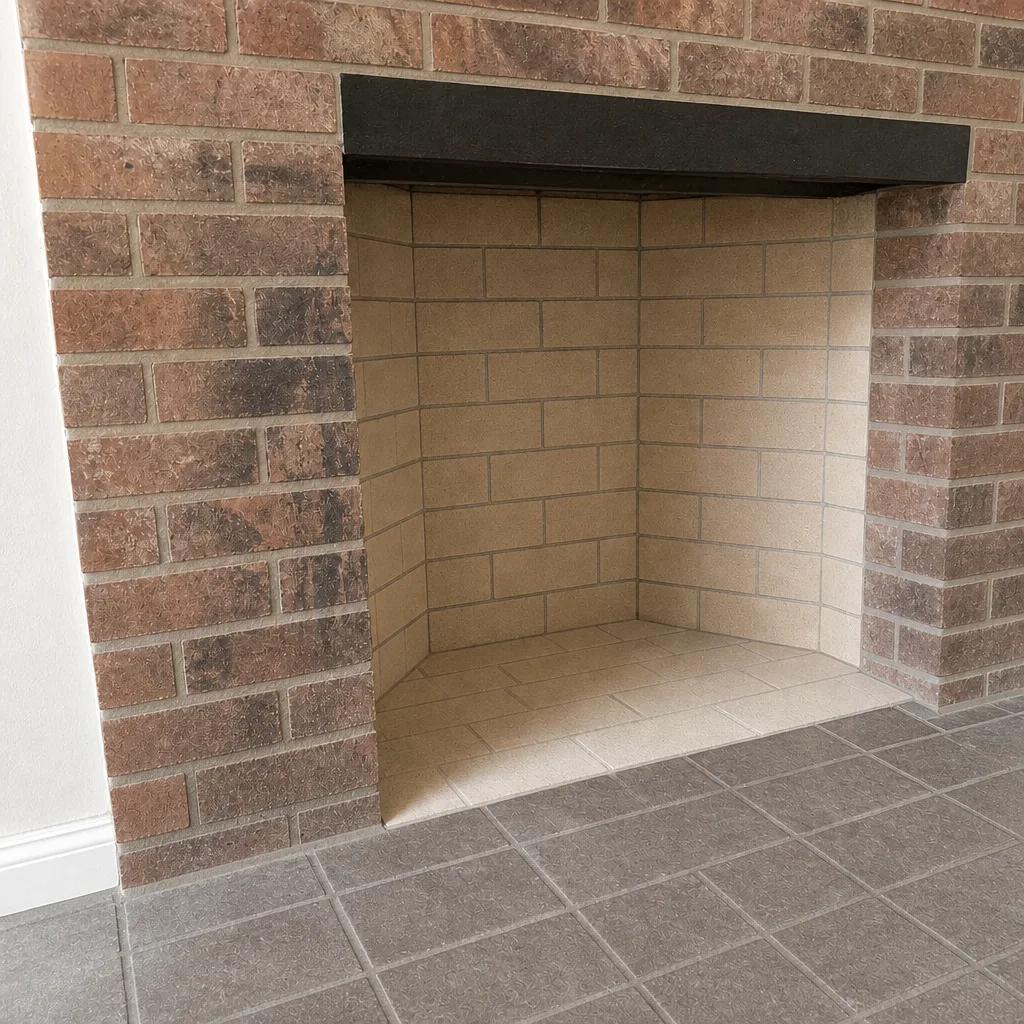
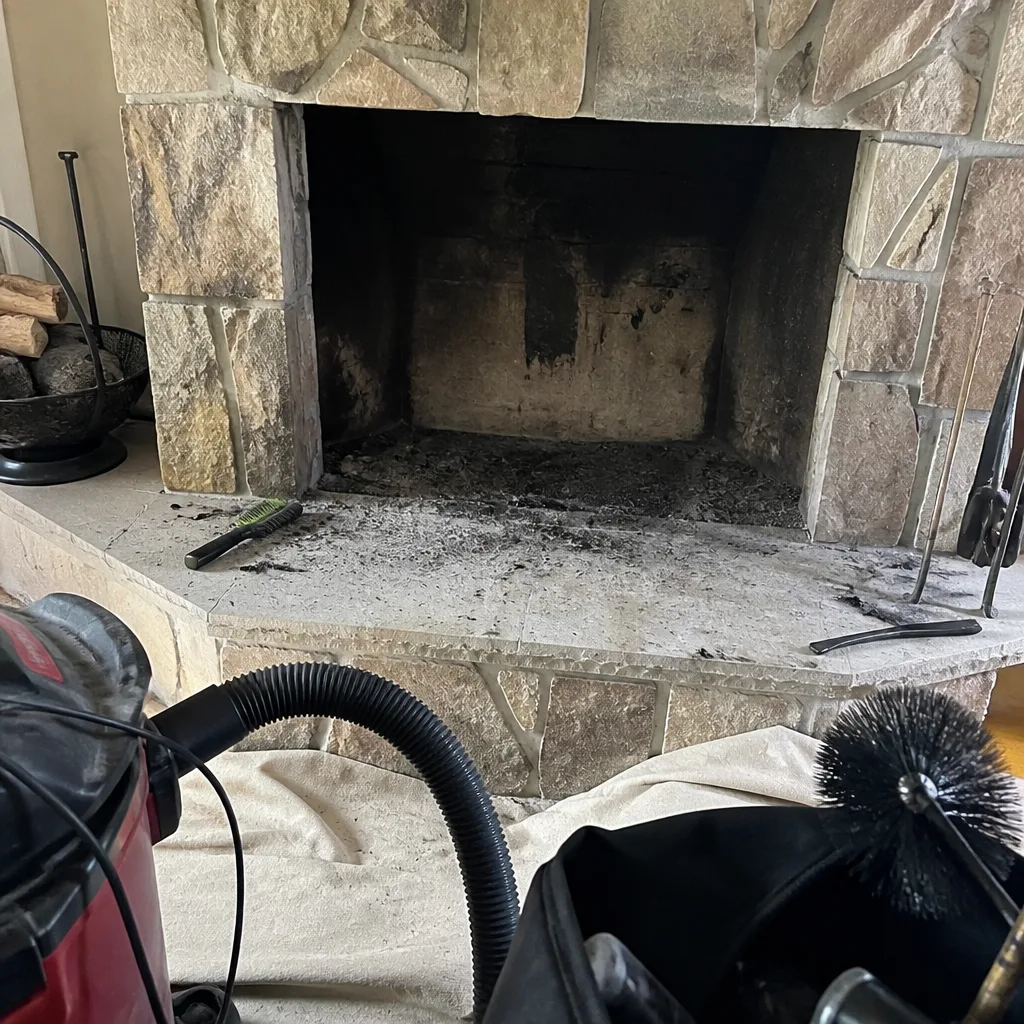
See the difference
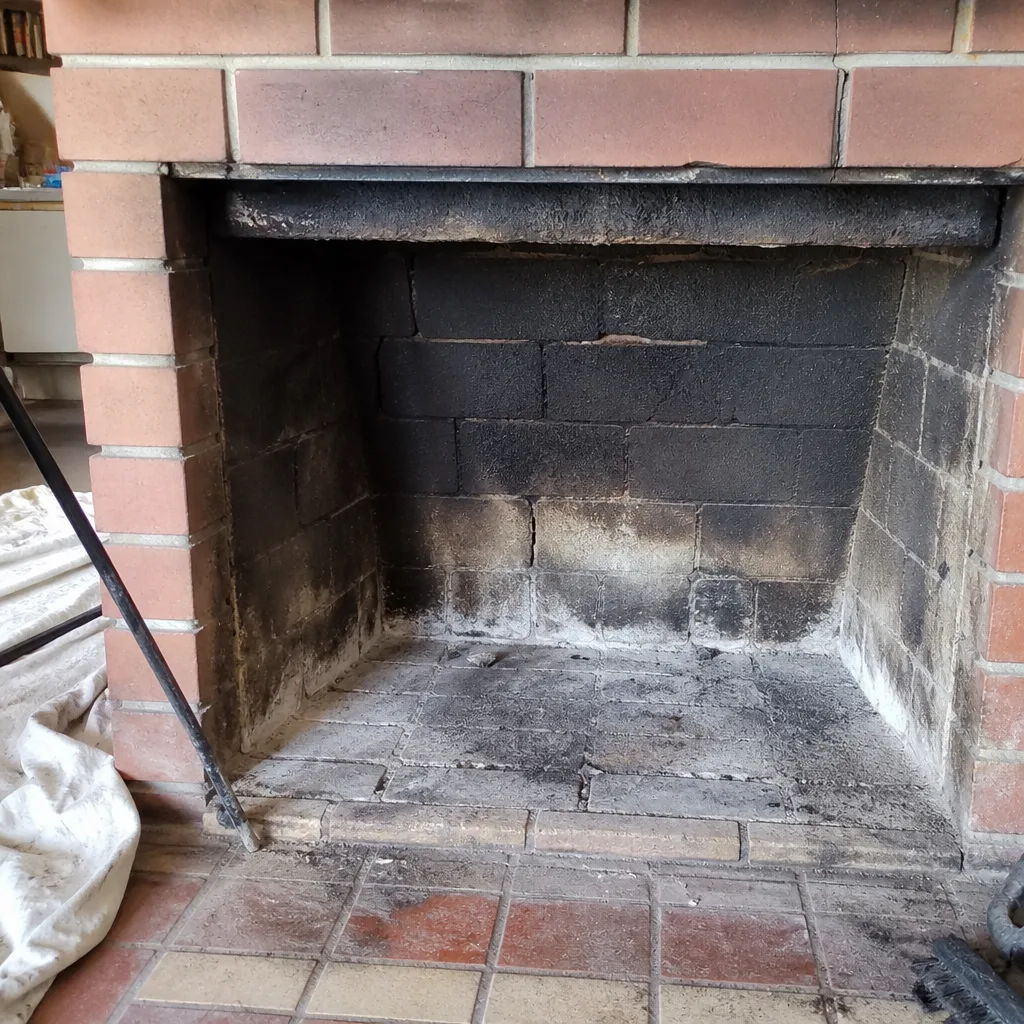 Before
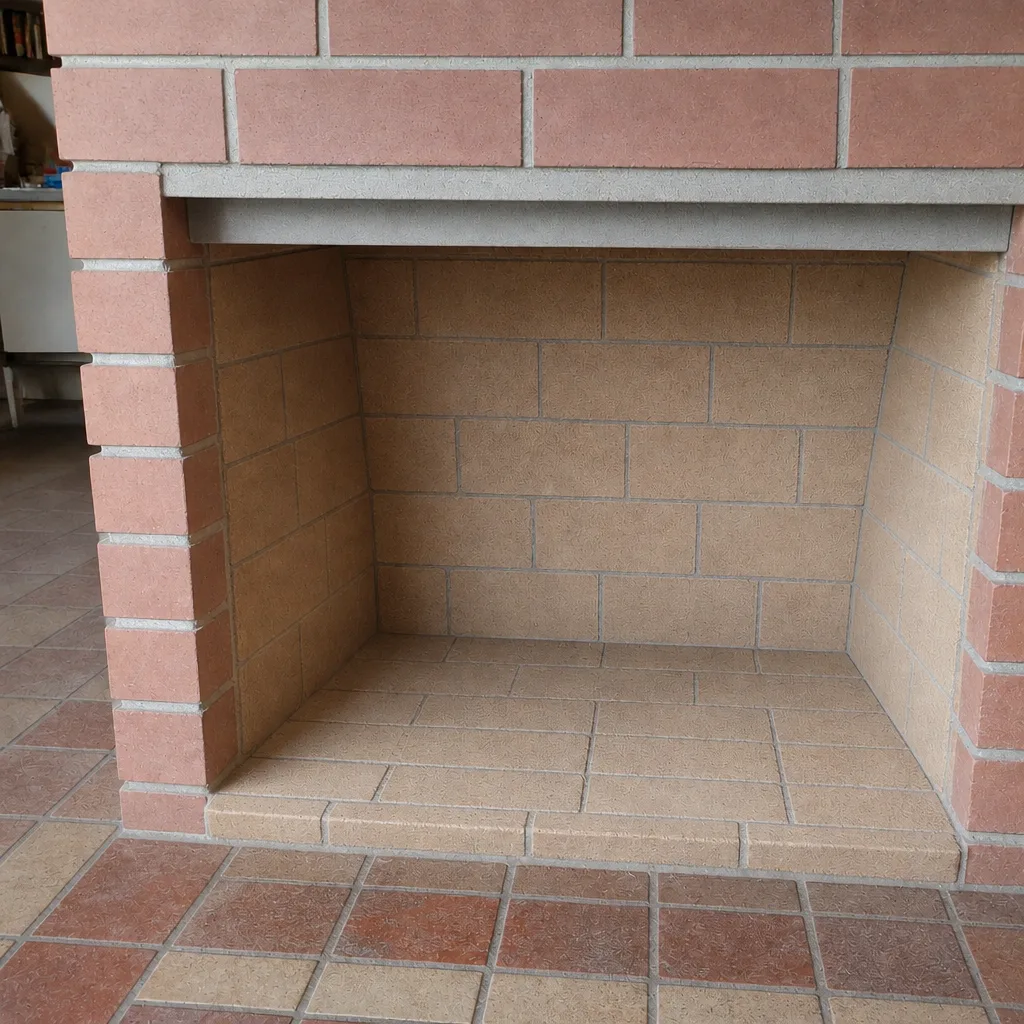 After
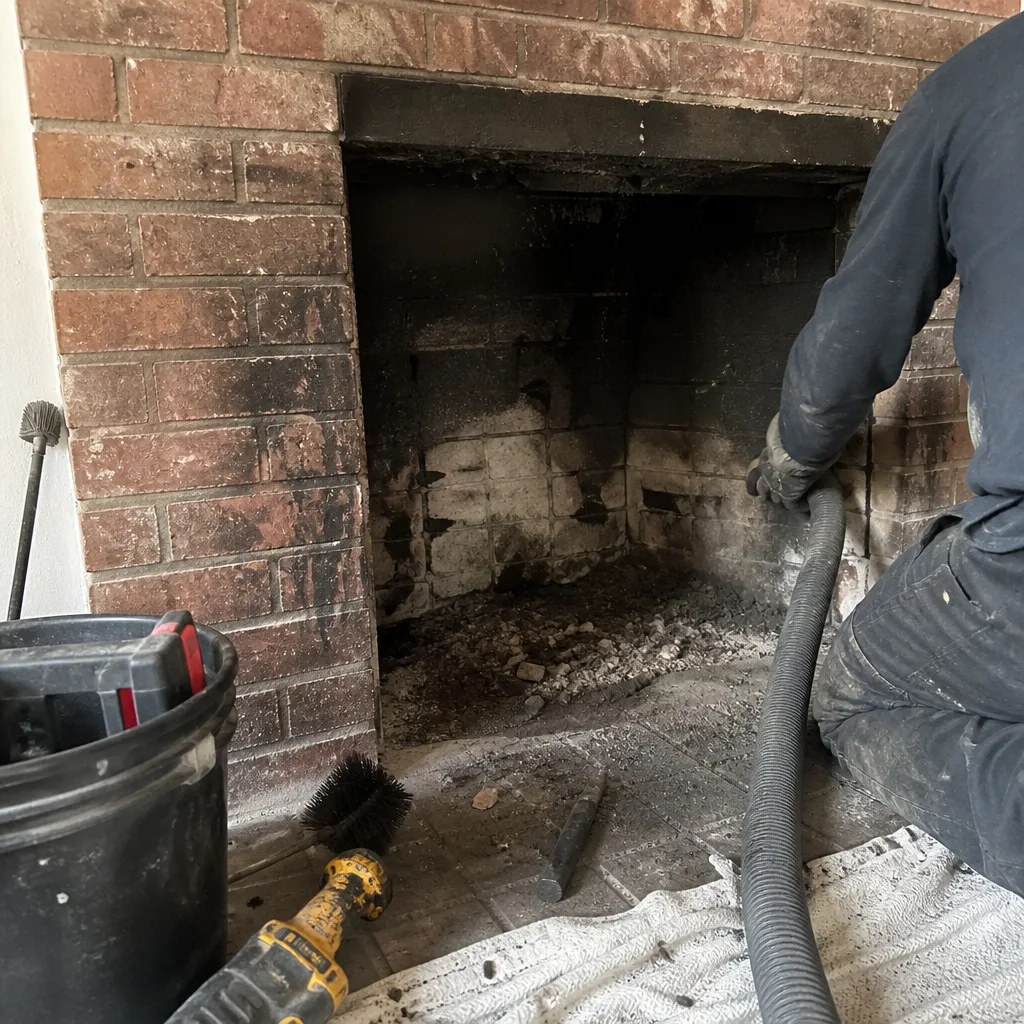 Before
 After
 Before
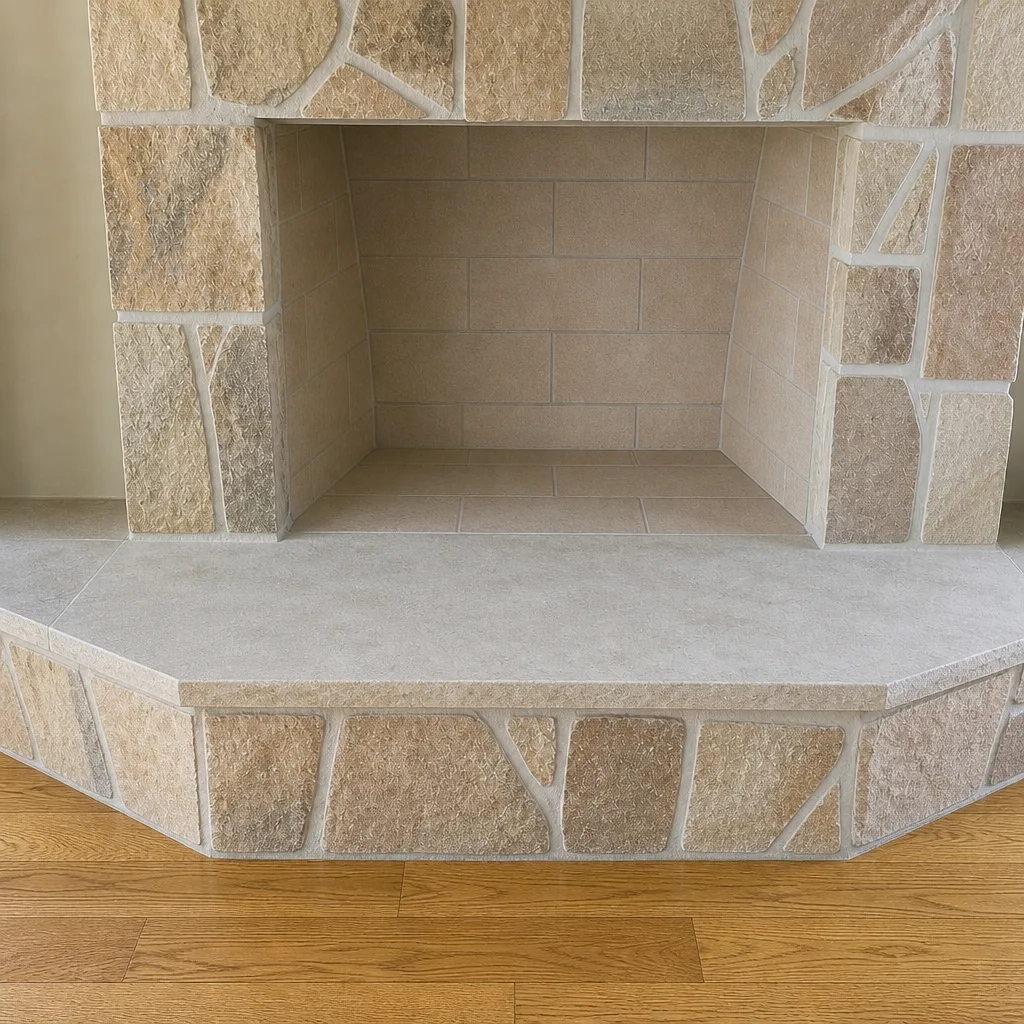 After
When to Call a Professional
Some situations are clear “call now” scenarios. If you smell smoke in the room when the fireplace isn’t burning, if you see staining or dampness on the ceiling near the chimney, if a cap is visibly loose or missing, or if you suspect an animal has gotten into the flue, don’t wait for a scheduled visit – call for an assessment. Likewise if your fireplace’s draw changed suddenly, or if you observed spalling, crumbling mortar, or a cracked crown on your ground-level check.
For everything else, the annual sweep and inspection is the core professional touchpoint, and it’s worth booking before the burning season. Harvest Chimney Sweep offers free estimates in Bakersfield – call (833) 605-6632. We answer 24/7 and dispatch from 7am to 7pm, Sunday through Friday, and we can tell you what a proper inspection will cover and what it won’t.
Frequently Asked Questions
Once a year for most wood-burning fireplaces in regular use, and more often if you burn heavily through the cool months. Gas inserts also need an annual inspection even though the flue stays cleaner. The sweep is the baseline; the inspection is the part that catches problems before they become repairs.
Yes, because the things that matter most – creosote accumulation and the condition of the flue liner – are invisible from outside the chimney. A clean-looking brick exterior tells you very little about the inside, and that’s exactly where the safety concerns live. This is why the annual inspection exists.
From the ground: cracked crowns, flaky or spalling brick faces, crumbling mortar joints, a cap that’s loose, tilted, or missing, white chalky staining on the brick, and dark streaks indicating water. Inside: cracked firebrick, a stuck damper, and ceiling staining near the chimney. All of these are worth noting and mentioning to a technician.
The heat cycle is real damage, not a myth. Bakersfield’s sustained triple-digit summers cause daily expansion and contraction of masonry and mortar, and the resulting cracked crowns and spalled brick are a common finding here. It’s different from freeze-thaw damage, but it’s just as real.
Swifts, starlings, and raccoons are the most active in the Kern County area. Birds usually establish nests in spring, raccoons often seek dens in spring and again in fall. A properly fitted cap with intact mesh is the main prevention, which is why the cap inspection is on the annual list.
Run the post-wind checklist: check the cap, the spark arrestor mesh, the roofline near the chimney, the exterior brick, and test the fireplace draw with the fire off. Document with photos. If anything looks off, call for a quick assessment rather than waiting for the annual visit.
The Bottom Line
Bakersfield’s chimney maintenance isn’t a generic winter checklist. It’s a calendar built around a long hot summer that attacks masonry, a short intense burning season that builds creosote fast, wind events that test caps and arrestors, and spring nesting seasons that want your flue for a home. The heart of the whole thing is the annual professional sweep and inspection, ideally before the first fire, plus ground-level checks between visits and documentation of everything.
You don’t need to climb the roof or diagnose liner damage. You need to know the signs that say “call,” keep your records, and get eyes on the flue once a year. That’s a manageable maintenance habit, and it protects both your home’s safety and its resale value. If you want an experienced set of eyes on your chimney before the season starts, call (833) 605-6632 – the estimate is free.
For more detail on the different services involved, spending some time on the Bakersfield service pages will show you what each step covers before you pick up the phone.
Written by the team at Harvest Chimney Sweep.