
Last updated November 15, 2026
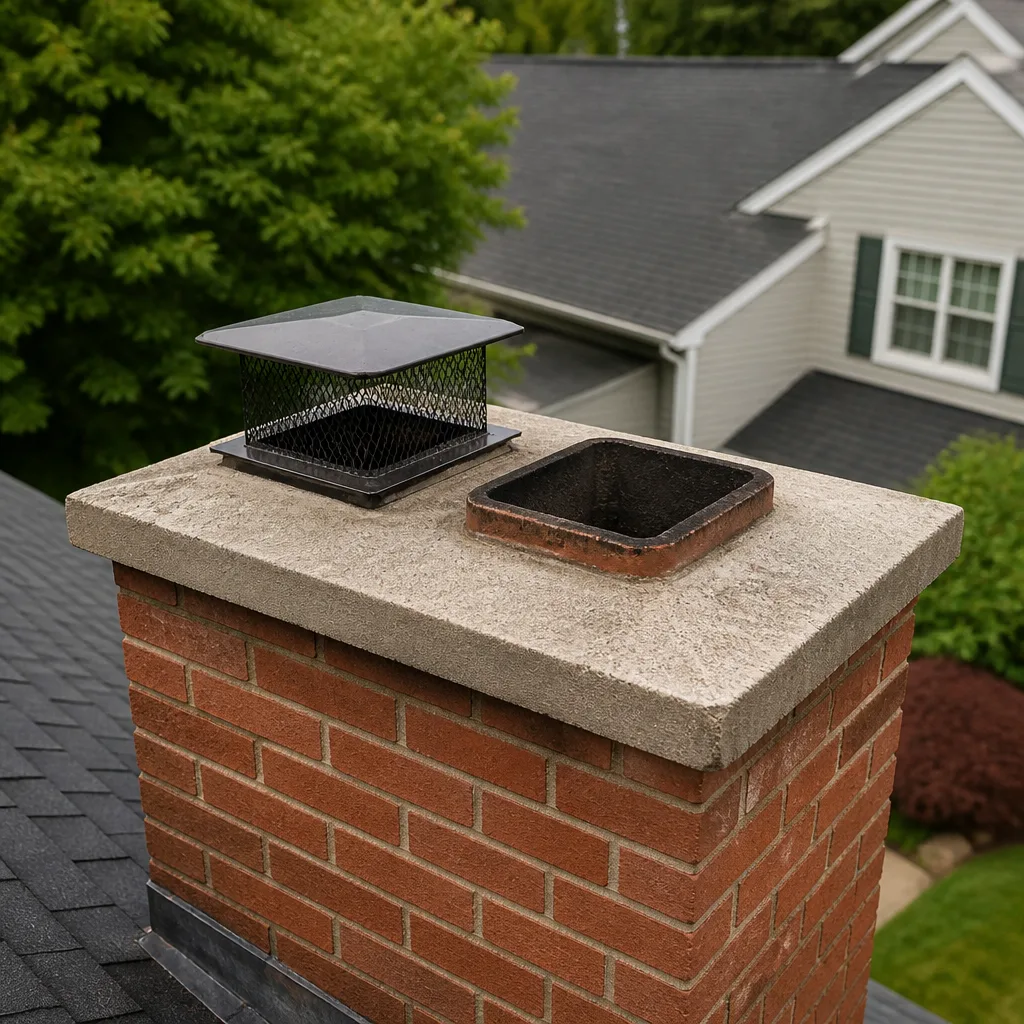 Sweep & inspection
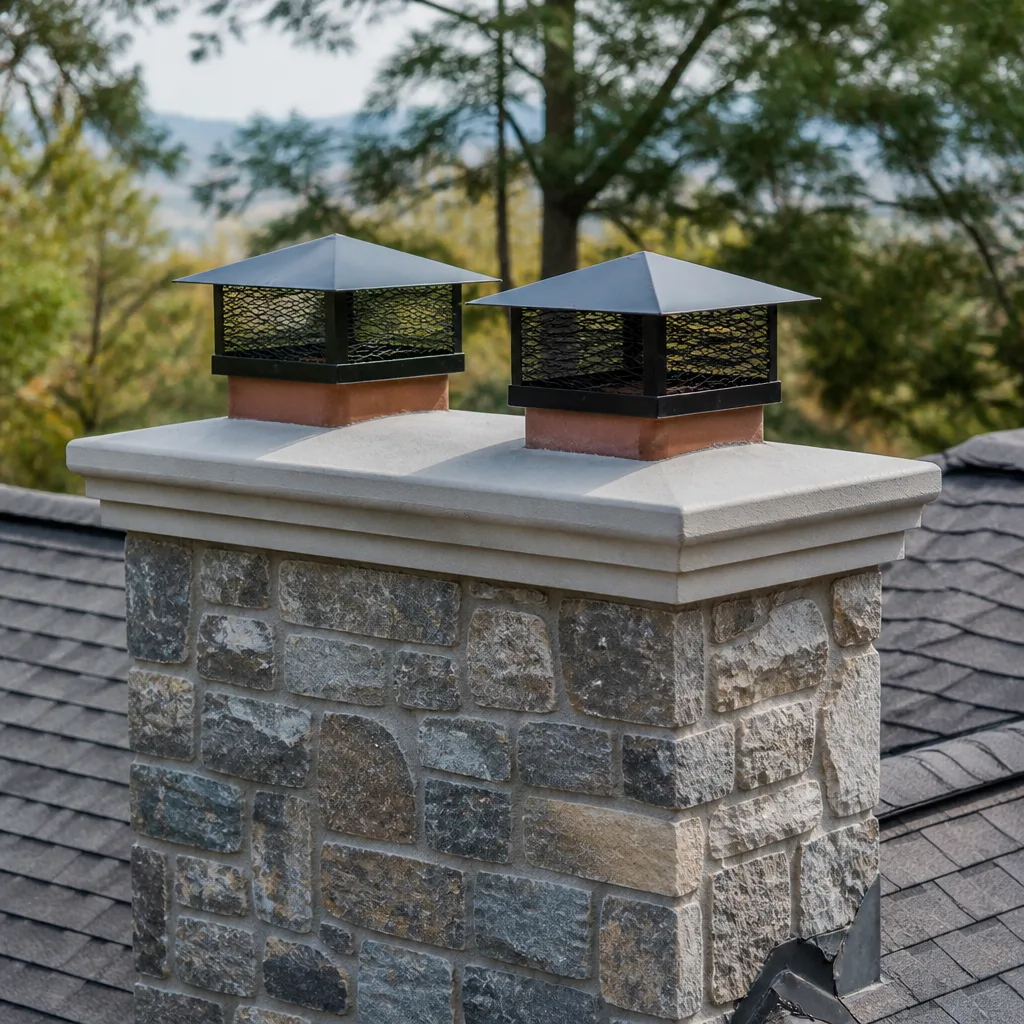 Caps & crowns
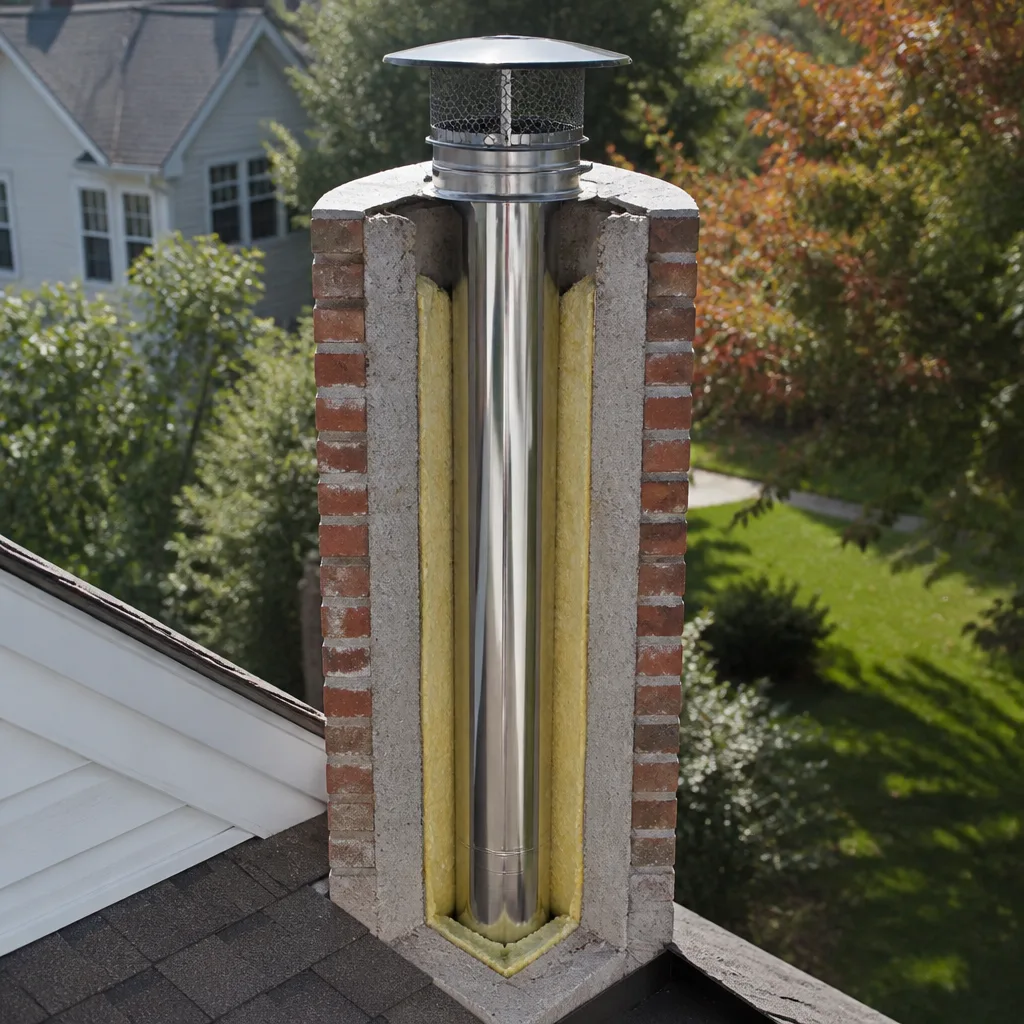 Flue relining
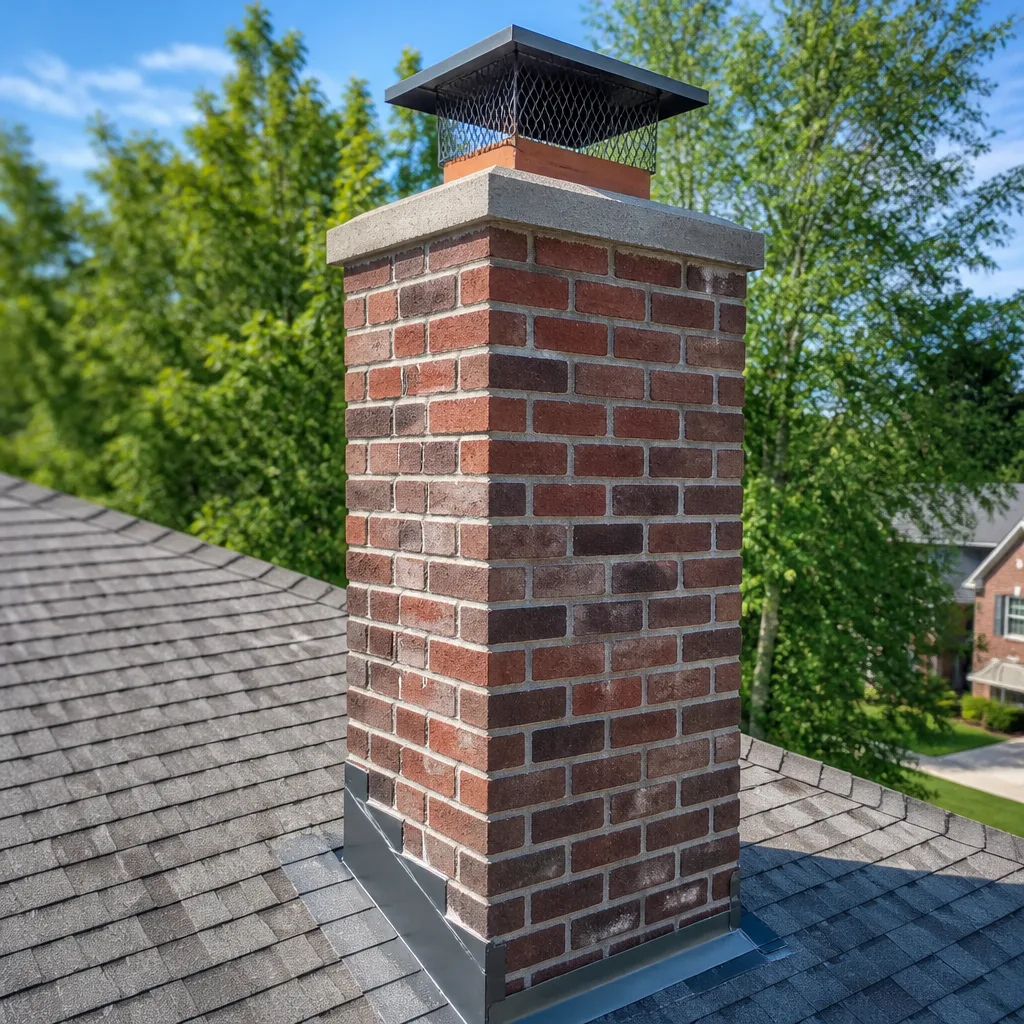 Masonry repair
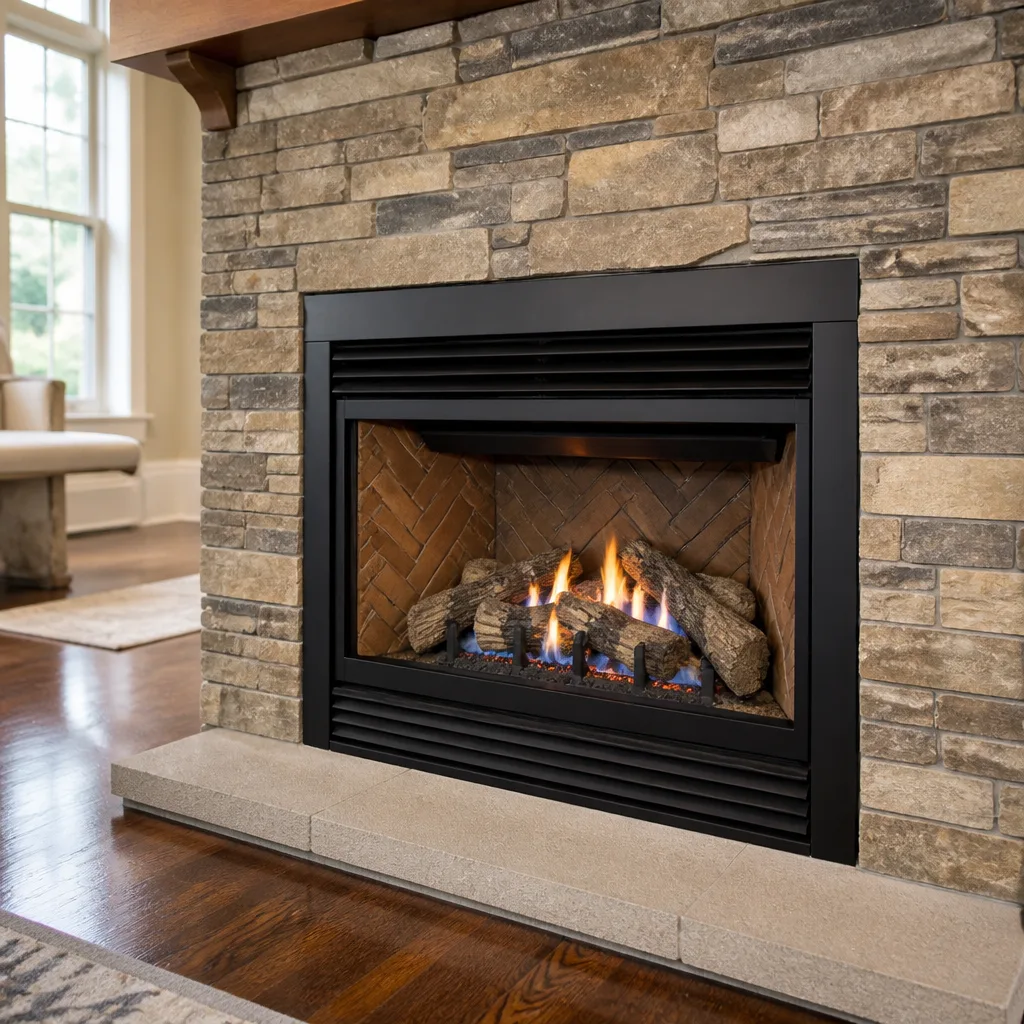 Gas fireplace service
Level 1 sweep and inspection to the NFPA 211 annual standard - flue, crown, cap, and flashing checked and photographed
Chimney sweep logs do not sweep chimneys. They loosen some creosote - which then falls where a brush and vacuum still have to collect it.
Chimney Sweep Troubleshooting in Bakersfield: Common Problems and How to Fix Them
Most chimney advice online is written for houses with snow on the roof and a frost line in the yard. That isn’t Bakersfield. Here, the wind comes off the valley floor in long dry pushes, summer heat soaks into masonry for months, and the first cold snap of the year sends a lot of homeowners to the fireplace with no idea the flue has been quietly failing since spring. The problems we troubleshoot here are shaped by that climate, not by a New England winter. This guide walks through the symptoms you’re likely to notice (smoke rolling back into the room, an odor that won’t quit, a fire that struggles to draw), maps each one to its likely cause, and tells you which fixes are safe to handle yourself and which need a trained chimney sweep with a camera.
Quick Answer
Most chimney problems in Bakersfield come down to one of three root causes: a draft problem (often reversed by Santa Ana winds or a closed damper), an obstruction (a clogged cap, debris, or an animal nest), or a structural issue (a cracked flue tile, deteriorated liner, or failing mortar). You can safely check the damper, clear debris from the cap, and manage ash buildup yourself. Anything involving the flue interior, the firebox walls, or the liner needs a professional sweep with camera inspection, because those problems aren’t visible from the hearth and guessing at them can be costly or dangerous.
Styles & brands we work with
- Sweep & inspection
- Caps & crowns
- Flue relining
- Masonry repair
- Gas fireplace service
Table of Contents
- Why Bakersfield Chimney Problems Look Different
- Wind-Driven Backdraft vs. Structural Draft Failure
- How Summer Heat Cakes Creosote in Bakersfield
- What Persistent Odor After a Dry Summer Really Means
- Reading the Firebox Wall: White, Black, and Rust
- What You Can Fix Yourself vs. What Needs a Sweep
- Why Camera Inspection Changes the Diagnosis
- When to Call a Professional
- Frequently Asked Questions
Why Bakersfield Chimney Problems Look Different
The Central Valley gives you a chimney environment that coastal and mountain guides don’t account for. Summers run hot and dry for months, then the first real cold arrives fast. That swing matters to the masonry, the creosote, and the way the flue drafts. Homeowners in neighborhoods like Seven Oaks, Stockdale, and the older streets around downtown Bakersfield are often working with two very different chimney types: mid-century brick fireplaces in established parts of town and newer manufactured or gas-insert systems in the southwest. Each fails in its own way.
Here’s what the local climate actually does to a chimney:
- Heat-driven creosote curing: Creosote deposited during winter’s last fires sits in the flue through a Bakersfield summer where attic and roof-line temperatures stay high for months. That baking hardens the deposit into a glazed, more flammable layer than you’d get in a cooler climate.
- Dry-season odor concentration: With little rain to flush the flue and no fire to move air, any creosote or moisture in the chimney sits and concentrates. That’s why some Bakersfield homes smell like a campfire in August.
- Wind exposure: The valley’s wind events create pressure swings that push air down the chimney. A flue that drafts fine on a calm evening can reverse on a windy afternoon.
- Dust and agricultural particulate: The valley’s air carries fine dust that settles on the cap and screen, narrowing airflow over time.
None of these are exotic. They’re just the local version of universal chimney physics. The rest of this guide is about telling them apart.
Wind-Driven Backdraft vs. Structural Draft Failure
Backdraft and structural draft failure feel identical at the hearth, but they have completely different fixes. Wind-driven backdraft is temporary and tied to outside conditions: the flue reverses because wind or a pressure imbalance pushes air down the chimney. Structural draft failure is the flue itself being too short, too narrow, or too obstructed to pull smoke up under any condition. One clears on a calm day; the other never does.
The single-match test
Here’s how to tell them apart without climbing on anything:
- Wait for a calm day with no wind and mild outside temperatures.
- Open the damper fully and make sure the firebox is empty of ash and debris.
- Light a single match, hold it near the open damper, and watch the flame and smoke.
- Draft is healthy if the smoke and flame pull steadily upward and out of the firebox.
- Wind backdraft is likely if the flue drafts fine on a calm day but rolls smoke on windy afternoons and evenings tied to Santa Ana wind events. That points to a pressure problem, not a blocked flue, and a properly fitted cap and top-sealing damper often help.
- Structural draft failure is likely if the smoke won’t pull up even on a calm day with the damper open. That’s a flue geometry or obstruction problem that needs a camera look.
If the match test gives you a mixed result (drafts sometimes, not others), that’s still useful information for a sweep. Note the conditions when it worked and when it didn’t. In our experience, that detail saves diagnostic time.
How Summer Heat Cakes Creosote in Bakersfield
Creosote is the tar-like residue left by wood smoke, and it hardens over time into three general stages: light soot, flaky crust, and glazed, hardened deposit. Bakersfield’s long hot summers push creosote toward the harder end of that scale faster than cool coastal climates do, because the deposit sits in a warm flue for months instead of being broken down by cool, damp air. That matters most in the fall when homeowners do their first burnoff of the season.
That first burnoff is often visually alarming. If you’ve ever lit a fire in October and watched dark smoke roll out of the chimney for the first twenty minutes, that’s usually the old creosote off-gassing and burning off the surface, plus cold-flue reverse draft, not an active chimney fire. The two look different if you know what you’re watching for.
- Normal burnoff: Dark smoke for the first several minutes, then it clears and the fire draws normally. No roaring sound, no visible flame at the top of the chimney.
- Chimney fire: A loud roaring or rumbling, flames or sparks visible from the chimney top, a hot smell, or warped metal on the cap. If you suspect this, get everyone out and call the fire department. Don’t use water in the firebox.
Homes around Oildale and the older parts of east Bakersfield that burn seasoned hardwood are most prone to glazed creosote because hardwood fires run hot and long, leaving a heavier deposit. A professional chimney sweep before the first fire breaks that layer down safely, well before the burnoff turns alarming.
What Persistent Odor After a Dry Summer Really Means
A faint smoky smell after months of no fires is usually just creosote and settled ash doing what they do. A strong, persistent odor that gets worse with wind or humidity is different, and it’s often the first sign of a real problem: a cracked flue tile allowing moisture or creosote odor to escape into the surrounding chase. In Bakersfield, where the summer air is dry and the winter rains come suddenly, the swing between the two stresses tile and mortar and can open hairline cracks that weren’t there in spring.
A few patterns worth knowing:
- Odor only in humid or rainy weather: Often moisture reacting with creosote. A cleaning usually resolves it.
- Odor that smells like a dead animal or a wet basement: Think animal nest, debris, or a moisture leak into the chimney structure. Needs a camera look.
- Odor plus a faint smoky draft into the room even when no fire is lit: Pressure or flue issue. The match test tells you which.
- Odor concentrated near the ceiling or upper floor: Often points to a gap in the flue at the roof line, which a camera inspection will find.
There’s an important caution here: low-odor smoke that appears only when you burn a fire in a Bakersfield home after a dry summer often signals a cracked flue tile more than a dirty chimney. A dirty flue usually smells year-round. A cracked tile leaks only when the fire is lit and products of combustion find a path through the crack into the chase. If that’s your pattern, don’t ignore it. Call the number below and get it looked at.
Reading the Firebox Wall: White, Black, and Rust
The inside of your firebox is a diagnostic chart if you know what each mark means. You don’t have to read it like a sweep; you just have to know when to pick up the phone. Here’s what the three most common visual signs indicate.
- White, chalky staining on the firebox bricks: This is efflorescence, mineral salts pushed to the surface by moisture moving through the masonry. It’s not a structural failure on its own, but it does mean water is getting into the chimney somewhere above. In Bakersfield that often follows the first fall rains after a dry season. Have it checked before you assume it’s harmless.
- Black streaking outside the firebox: Streaks running up the face of the fireplace or above the opening usually mean smoke is escaping around the opening rather than going up the flue. That’s a draft or damper problem, sometimes a cracked smoke chamber, and it’s a sign the flue needs a camera look.
- Rust lines or rust stains on the firebox or damper: Rust forms when metal components stay wet. On the damper, it may just need freeing and greasing. On the damper frame, the firebox metal, or a metal insert, rust says moisture is reaching places it shouldn’t. Metal liners can rust through entirely.
We’ve also seen white staining turn up in homes in the Bakersfield neighborhoods where chimneys face the prevailing winds, because wind-driven rain finds worn mortar in the crown or the chase cover. The point is that these signs aren’t cosmetic. Each one tells you which part of the system to inspect.
What You Can Fix Yourself vs. What Needs a Sweep
There are exactly three things you can reasonably handle on your own, and a long list of things you cannot. Knowing the line protects you from two failures: doing something that damages the chimney, and paying for a professional visit you could have avoided. Here’s the split.
Safe to handle yourself
- Damper adjustment: Open and close the damper to confirm it moves freely and seats properly. If it’s sticky, a small amount of graphite or approved damper lubricant on the pivot will usually free it. Don’t force a rusted damper, and don’t remove it.
- Cap and screen debris: From the ground with a flashlight, or on a gentle, safe roof if you’re comfortable and your roof permits access, check the cap for bird nests, leaves, twigs, or packed dust and screen blockages. Clear what you can safely reach from below with a long-handled tool. Don’t climb onto a steep or wet roof.
- Ash buildup: Empty excess ash from the firebox into a metal container with a lid. Never vacuum warm ash with a shop vacuum, and never put ash into a plastic bucket. Keep the ash layer to a modest depth rather than removing it entirely; a thin bed of ash helps future fires burn.
Needs a professional
- Cleaning the flue interior beyond what a brush from the firebox can reach
- Any diagnosis involving the flue liner, smoke chamber, or crown
- Freeing or replacing a seized damper or its frame
- Anything on the roof that requires more than a safe visual check
- Repointing, crown repair, or liner restoration
- Any sign of a chimney fire or suspected crack in the flue
One caution that bears saying plainly: never burn a chemical chimney-cleaning log and assume the flue is clean. Those products treat some creosote, but they don’t sweep, and they can leave a sticky residue that binds future soot. A real chimney repair job starts with knowing exactly what’s inside the flue.
Why Camera Inspection Changes the Diagnosis
A flashlight view up the flue is a guess. A camera view is a record. That difference matters in Bakersfield, where the same symptoms can come from a clogged cap, a hairline tile crack, or a failed liner joint, and each has a very different fix and cost. Camera inspection goes past the firebox, past the damper, up the flue and around the bends, and shows what’s actually going on.
Here’s what camera inspection finds that a visual pass misses:
- Hairline cracks in flue tiles that only show up on camera, especially at joints where tiles meet
- Gaps in mortar between tiles that let products of combustion escape into the chase
- Glazed creosote in flue sections the firebox view can’t see
- Liner offset or sag in older masonry chimneys
- Improperly seated or deteriorated metal liner sections
When we find a problem, we can quote and resolve it in the same visit or schedule the repair without sending you to another contractor. That matters most when the fix is relining. A Bakersfield chimney with a deteriorating flue liner can sometimes be restored with a HeatShield liner repair rather than a full relining, and when a full reline is needed we install DuraFlex stainless systems. Those brand-name components are warrantied and they’re the components chimney engineers specify. Repairing a flue with the right material matters more than the repair itself; a mismatched liner will fail again.
Common Mistakes to Avoid
- Burning unseasoned or green wood because it’s cheap. Green wood produces far more creosote than seasoned hardwood, and in Bakersfield’s baked summer flue it turns glazed faster. Season your wood.
- Skipping the annual sweep because the firebox looks empty. What you see from the hearth is a small fraction of the flue. Deposits build out of sight above the firebox.
- Assuming dark smoke on the first fall fire means a chimney fire. It usually means cold-flue burnoff and old creosote clearing. Learn the difference before you panic.
- Using a vacuum to clean ash without checking it’s cool. Embers buried in ash stay hot for a day. Vacuuming them can start a fire inside the vacuum.
- Sealing the top of a chimney with a cap that’s too restrictive. A tight screen or undersized cap narrows the flue and makes backdraft worse on windy Bakersfield days.
- Ignoring white staining on the firebox bricks. Efflorescence is a moisture signal. Skipping it lets water damage the chase and, eventually, the liner.
- Treating a persistent smoky smell as normal. A faint odor, yes. A strong smell of creosote or a wet-basement smell is a call to action.
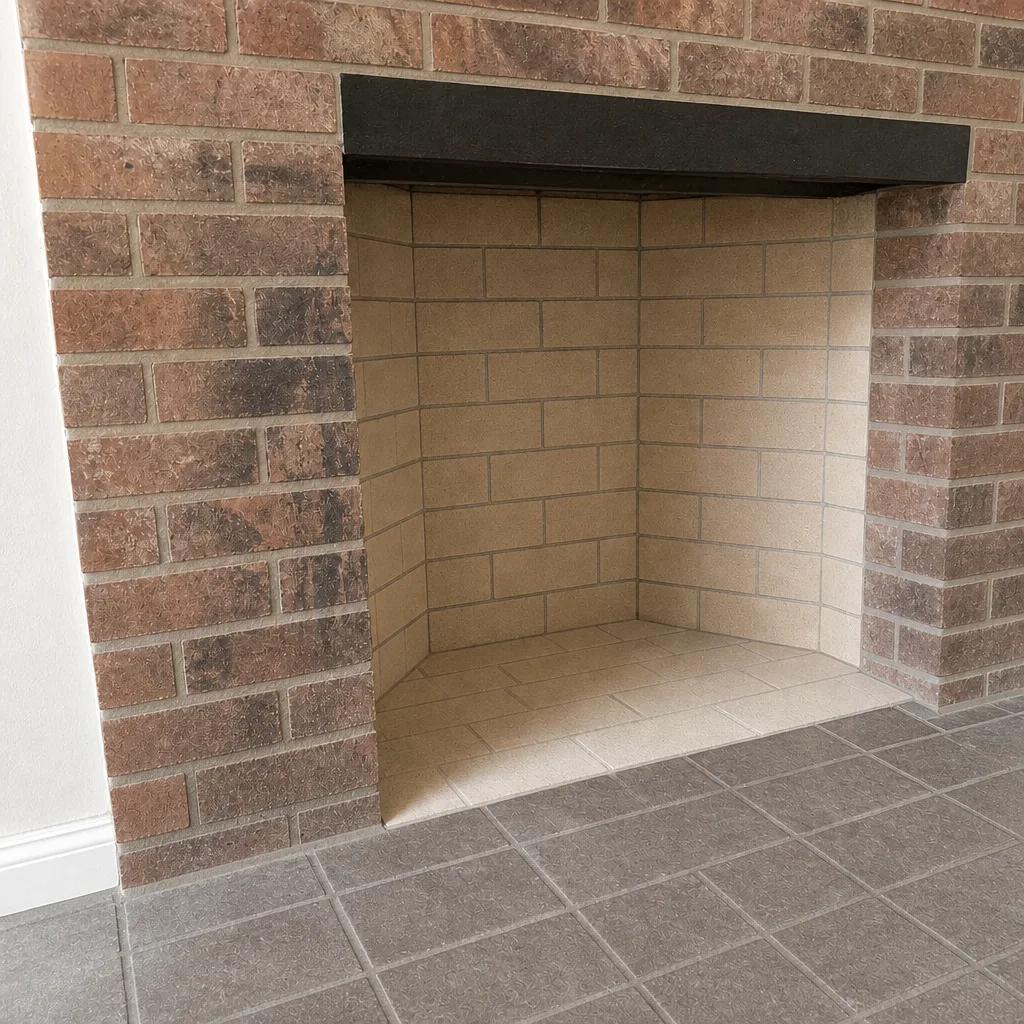
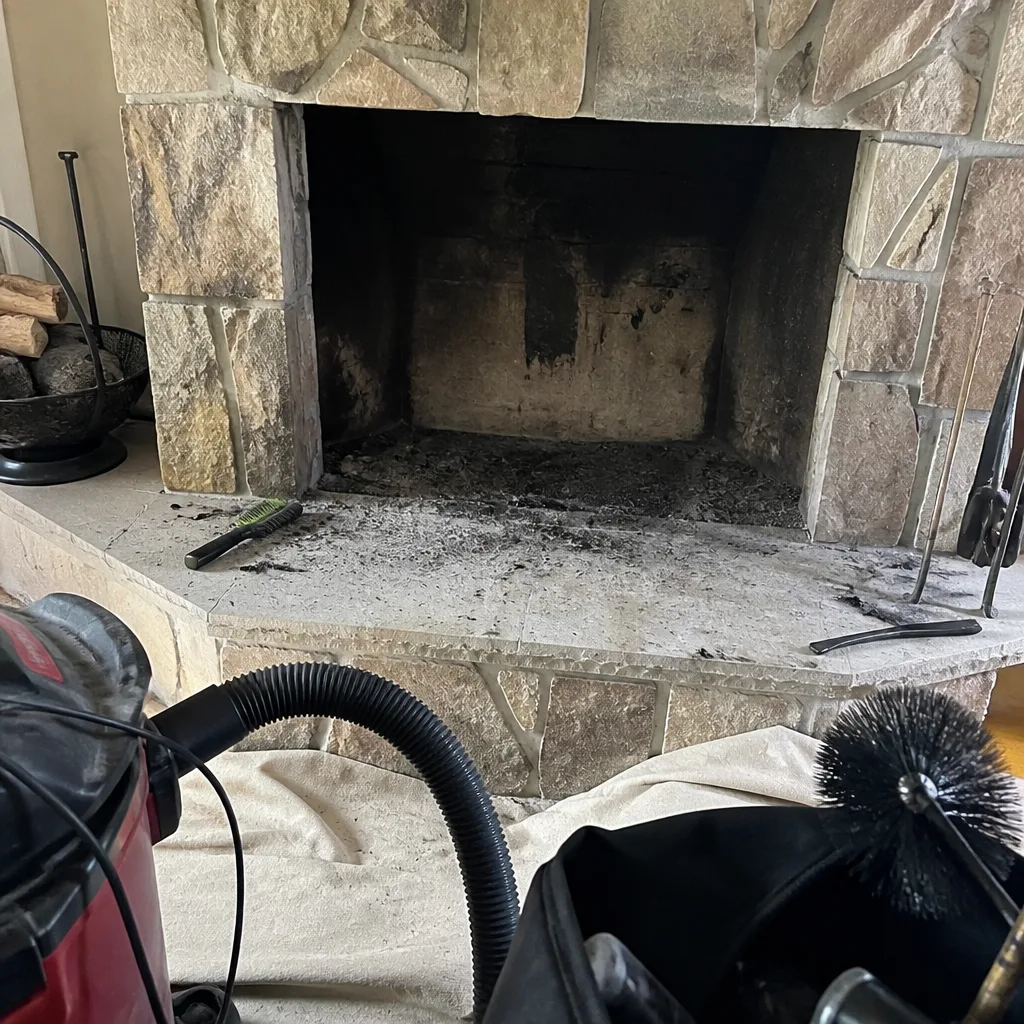
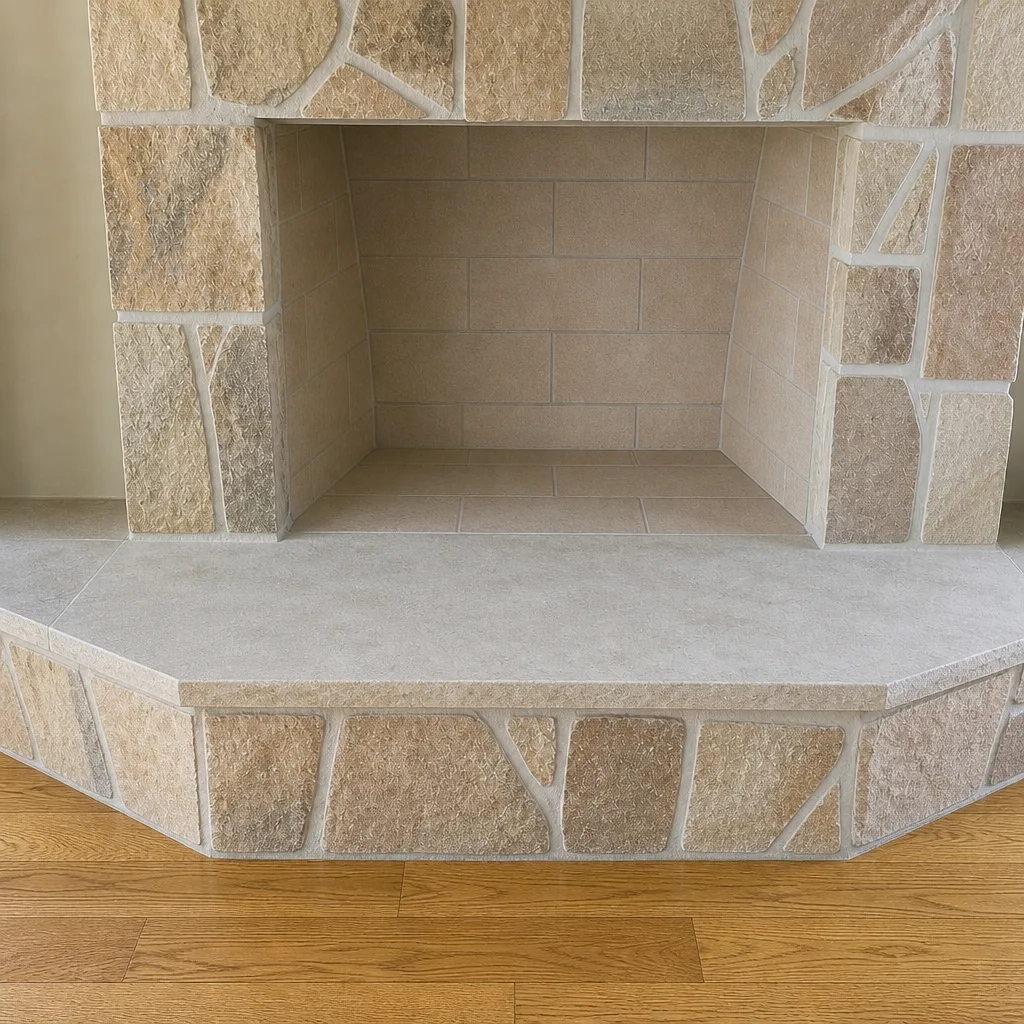
See the difference
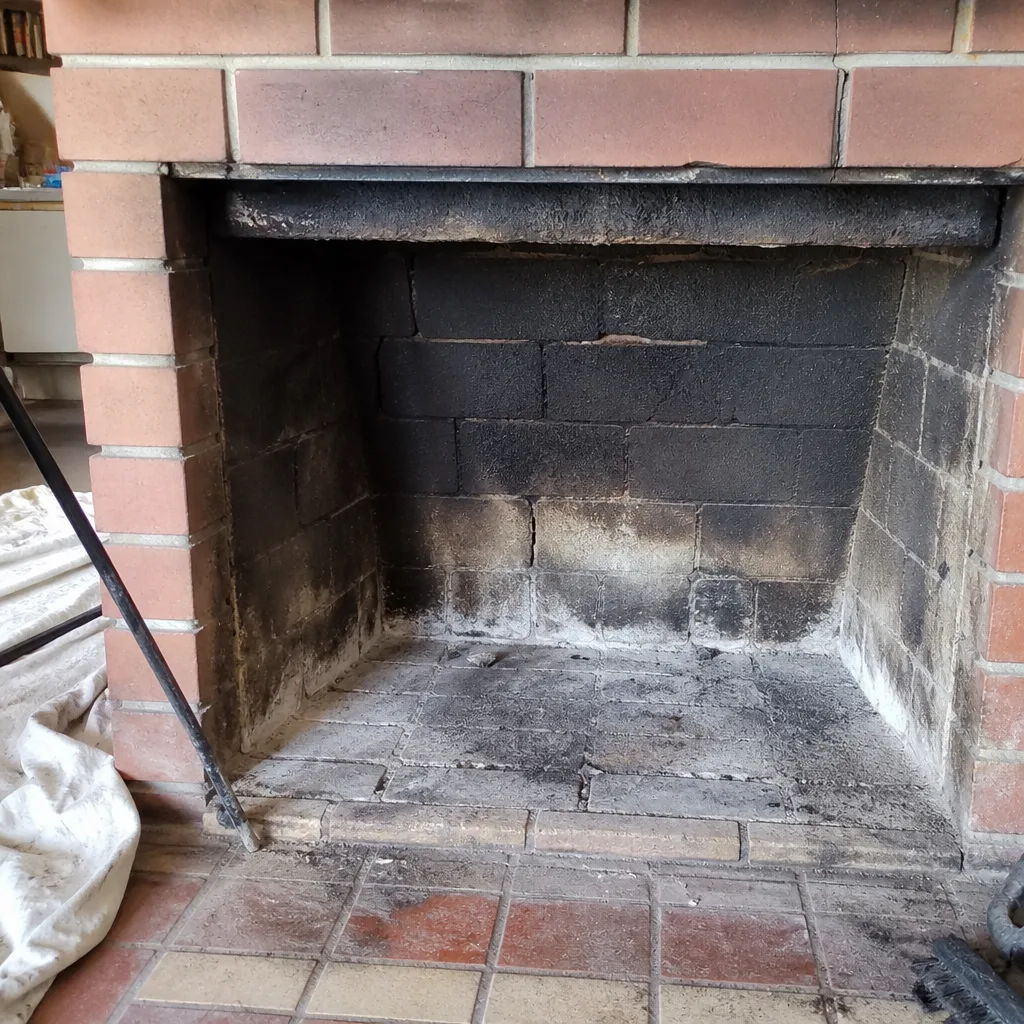 Before
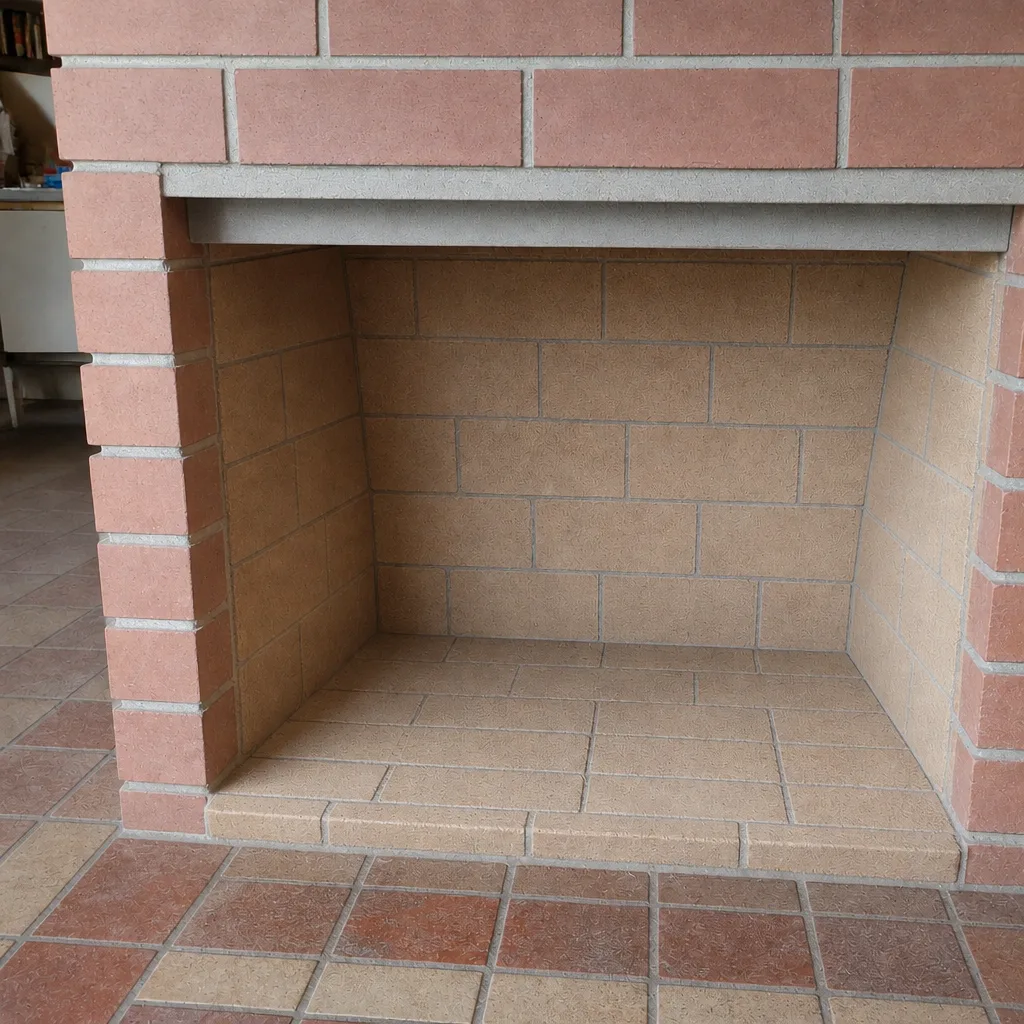 After
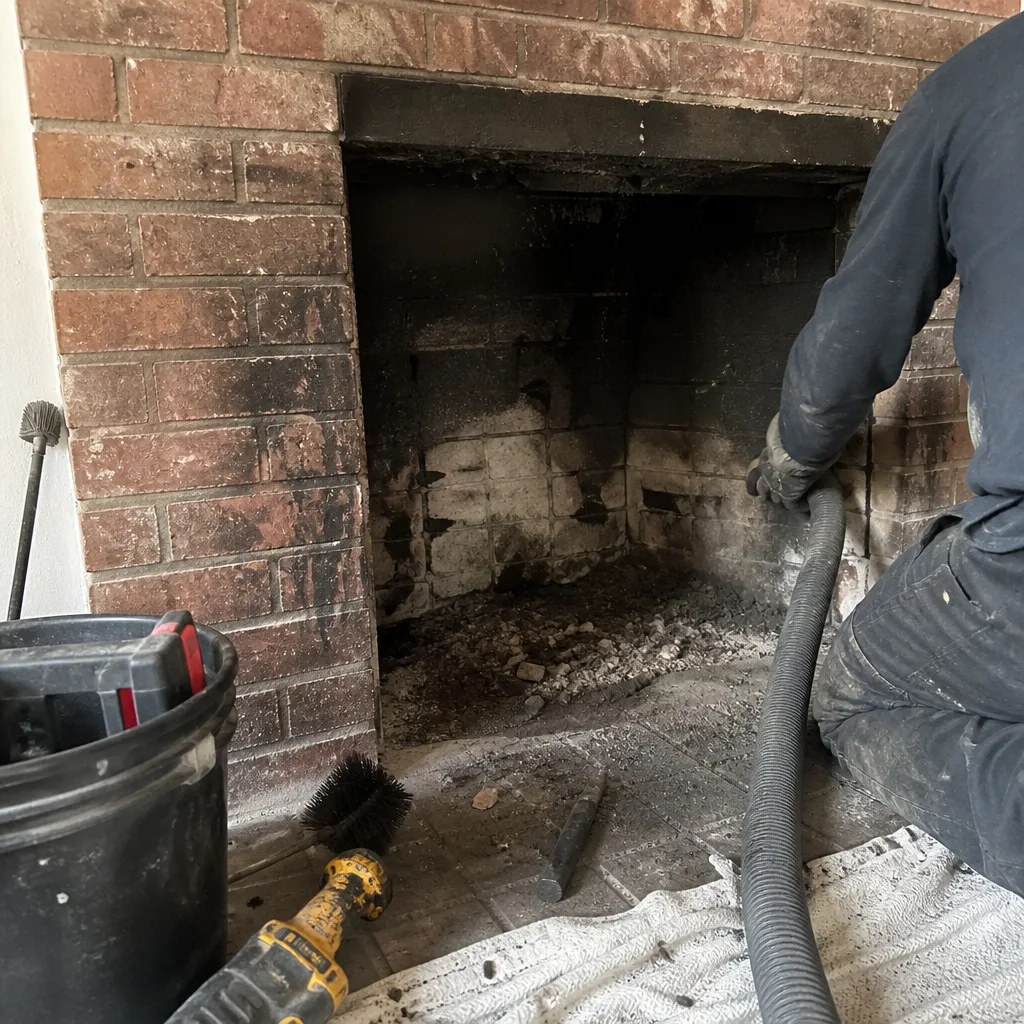 Before
 After
 Before
 After
When to Call a Professional
Call a chimney sweep when the match test shows no upward draft on a calm day, when the firebox walls show white staining, black streaking, or rust lines, when the flue has never been camera-inspected, or when you smell strong creosote or a wet odor even with no fire lit. Call immediately if you’ve had a chimney fire, if smoke enters the room with a fire going, or if the damper won’t move. Call before the first fire of the season if you don’t know when the chimney was last swept. Harvest Chimney Sweep offers free estimates in Bakersfield: call (833) 605-6632. We sweep, inspect, and repair, so nothing discovered during a cleaning gets handed to another contractor. And nothing is left for next season.
Frequently Asked Questions
Once a year if you burn wood regularly, and once every two or three years if the fireplace is a gas insert or you burn rarely. The guide is a general rule: schedule a sweep when a year of burning has passed or a quarter-inch of soot or creosote has built up in the flue, whichever comes first. Bakersfield’s long dry summers mean deposits can harden faster than in cooler climates, so err earlier rather than later. Call (833) 605-6632 for a free estimate before the first fire.
Backdraft is the most common cause, and in Bakersfield it’s usually wind-driven: Santa Ana wind events push air down the flue and reverse the draft. Do the match test on a calm day. If the smoke pulls up normally then, the problem is wind and pressure, not a blocked flue. If it won’t pull up even on a calm day, that’s structural and needs a camera look. Call (833) 605-6632 for a free estimate and a clear diagnosis.
It hardens creosote faster, which does increase chimney fire risk. Months of warm flue temperatures cure soft creosote into a glazed, harder deposit that burns much hotter if it ignites than flaky soot would. A fall burnoff that clears the glazed layer safely through a professional sweep removes the risk. Call (833) 605-6632 for a free estimate before your first fire of the season.
It means moisture is moving through the masonry and leaving mineral salts on the surface. It’s usually a sign water is entering the chimney above, often through worn mortar, a cracked crown, or a failing chase cover, and it’s worth a camera inspection before the damage spreads. Call (833) 605-6632 for a free estimate.
You need both for a complete picture, and they’re best done together. A sweep removes deposits and a camera inspection shows the condition of the flue, which a cleaning can’t assess on its own. Harvest Chimney Sweep delivers sweeping, repair, and inspection as one engagement: findings become a quoted repair, not a referral. Call (833) 605-6632 for a free estimate.
Creosote keeps building, draft gets worse, and the risk of a chimney fire climbs each season. Odors intensify, stains spread, and structural problems that would be a simple repair now become a full relining. None of that happens overnight, which is what makes it easy to skip. Call (833) 605-6632 for a free estimate before the problem grows.
The Bottom Line
Bakersfield chimneys fail in predictable ways once you learn to read the clues. A match test separates wind backdraft from structural draft failure. White staining, black streaking, and rust lines point to moisture, smoke escape, and wet metal, each with a different fix. Summer heat makes creosote harder and the fall burnoff more dramatic, but not always more dangerous. A camera inspection shows the flue’s real condition and finds hairline tile cracks a flashlight can’t. Three fixes are safe to handle yourself: damper, cap debris, ash. Everything else gets a trained chimney sweep with a camera and the right brand-name parts. If you’re not sure which problem you’re looking at, don’t guess.
Get Your Chimney Ready Before the First Fire
Whether you’re clearing a wind-driven backdraft, chasing an odor that won’t quit, or reading stains on the firebox that worry you, the safe next step is the same: a free estimate from a sweep who can inspect the flue with a camera and show you exactly what’s going on. We sweep, inspect, and repair as one integrated service, so problems found during a cleaning become a quoted repair rather than a runaround. Our technicians have up to 9 years of experience, and we work with the professional-grade materials specified by chimney engineers. Call (833) 605-6632 for a free estimate. We answer 24/7. Fast dispatch from 7am to 7pm, Sunday through Friday. You’ll get a written estimate and a written diagnosis, and nothing leaves the page without a clear fix for your Harvest Chimney Sweep visit.
Written by the team at Harvest Chimney Sweep.