
Last updated November 15, 2026
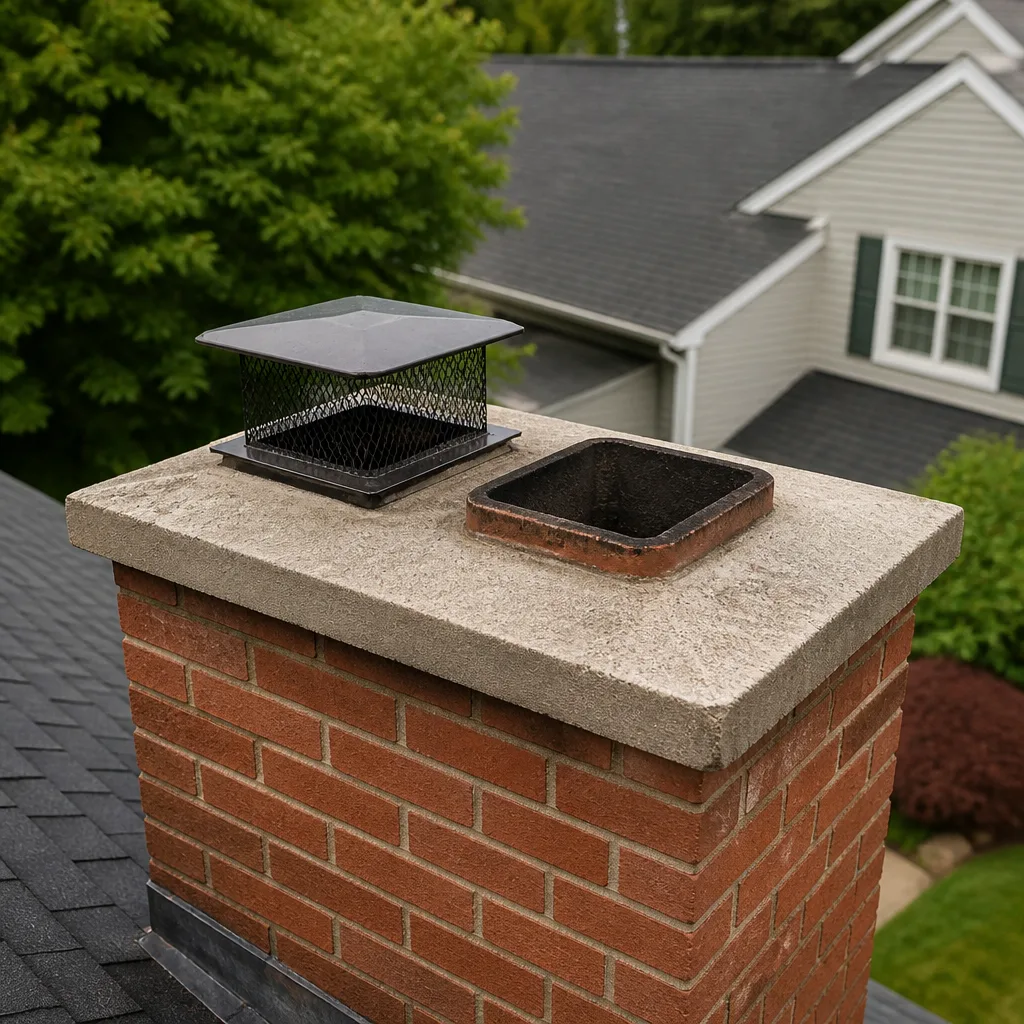 Sweep & inspection
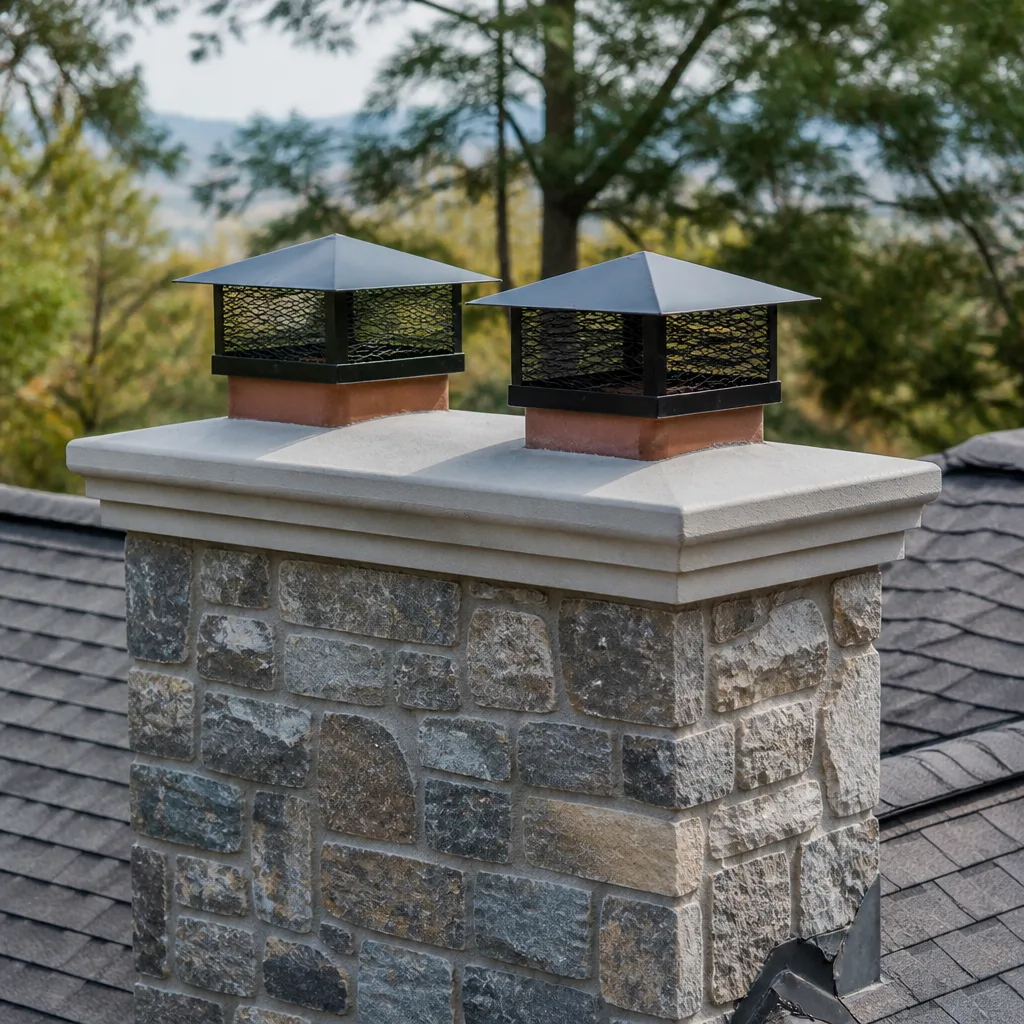 Caps & crowns
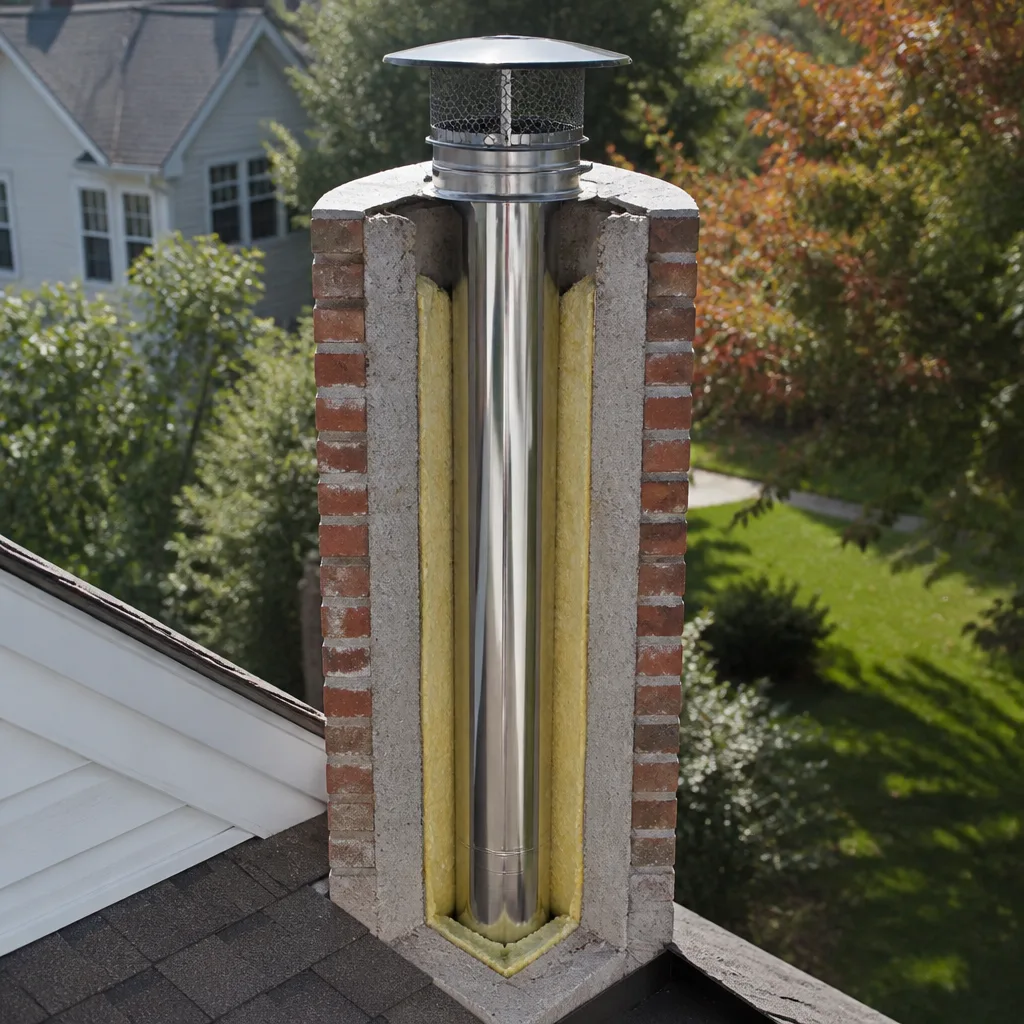 Flue relining
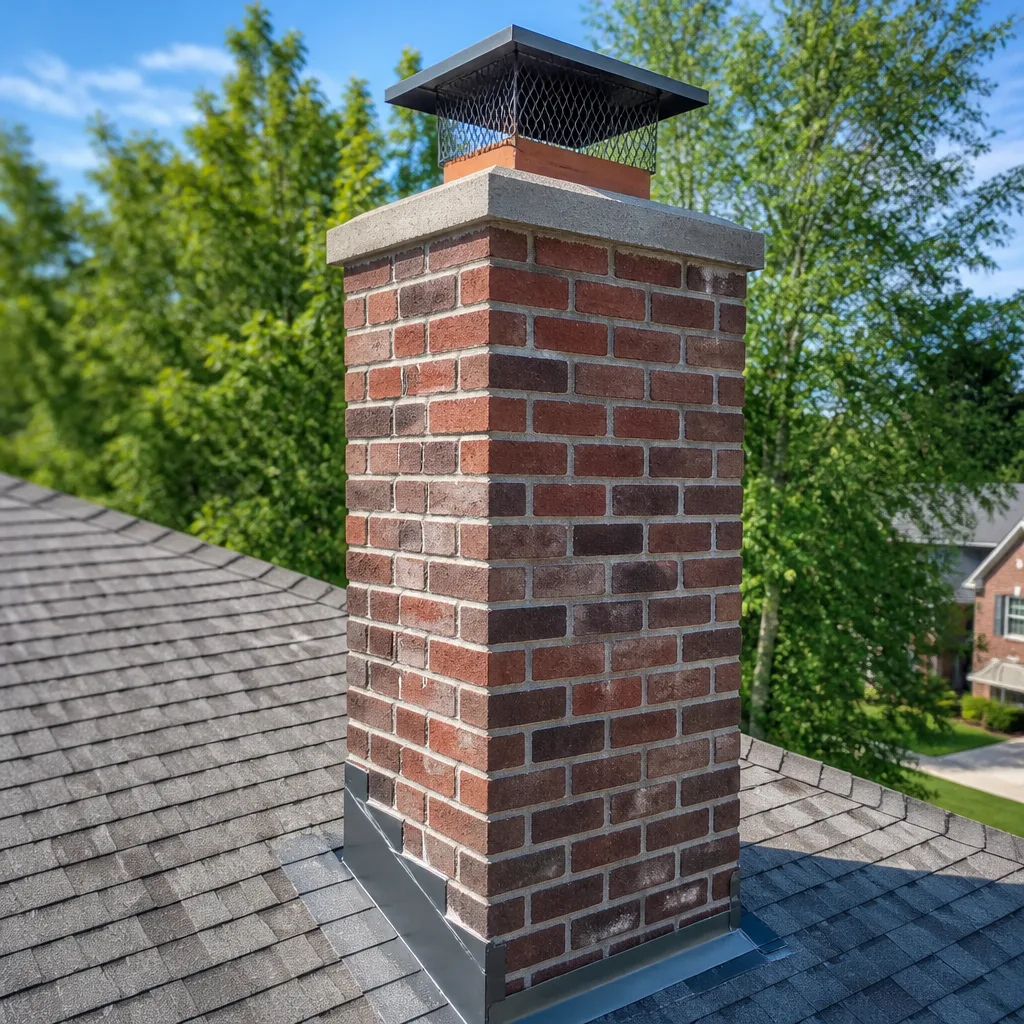 Masonry repair
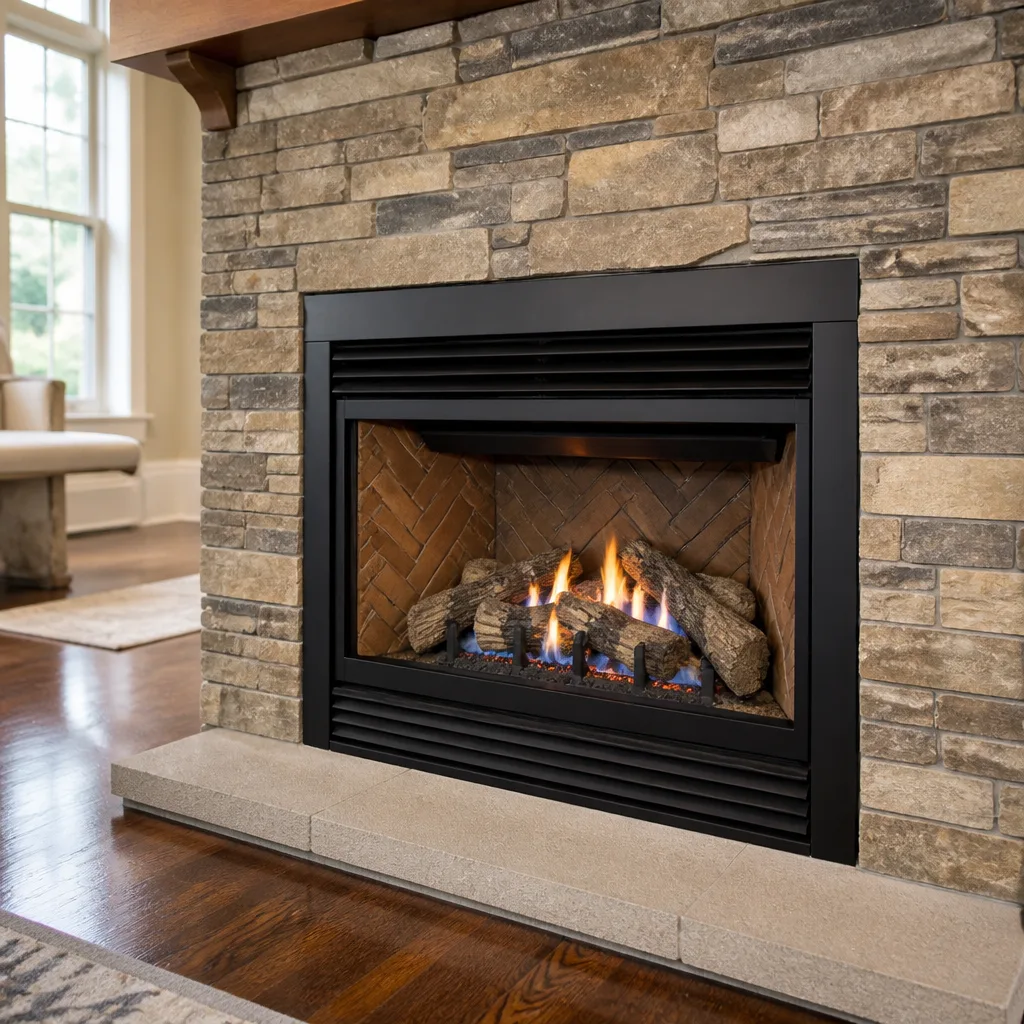 Gas fireplace service
Level 1 sweep and inspection to the NFPA 211 annual standard - flue, crown, cap, and flashing checked and photographed
Chimney sweep logs do not sweep chimneys. They loosen some creosote - which then falls where a brush and vacuum still have to collect it.
Seasonal Chimney Cleaning Care for Bakersfield: Year-Round Homeowner’s Guide
Most chimney care advice you’ll find online was written for places with long winters and houses that run a fire from October to April. Bakersfield doesn’t work that way. Here in the Valley, the real burning window is short and concentrated, and the chimney sits idle for most of the year. That long dormancy isn’t a rest period, though. It’s when the quiet damage happens: moisture working on mortar, animals moving in, creosote curing onto the flue. This guide walks through what actually happens inside a Bakersfield chimney across all twelve months, when to book a sweep, how to prep for that first fire, and what to do after the season ends.
Quick Answer
In Bakersfield, the best time to schedule a chimney sweep and inspection is late summer through early fall, before the November-to-February burning season begins. Spring and summer are when your chimney is most vulnerable, so post-season checks for a secure cap, a working damper, and sound mortar matter more here than in cold climates. A yearly sweep plus a documented inspection keeps the system safe through both the fire season and the long dormant stretch.
Styles & brands we work with
- Sweep & inspection
- Caps & crowns
- Flue relining
- Masonry repair
- Gas fireplace service
Table of Contents
- Why Bakersfield’s Chimney Calendar Looks Different
- What Happens Inside an Unused Chimney During a Bakersfield Summer
- The Best Time to Schedule a Sweep in Bakersfield
- How to Prepare for Your First Fire After Months of Dormancy
- Spring Tasks That Protect Your Chimney All Summer
- How the Kern County Burn Ban Affects Creosote Buildup
- A Month-by-Month Chimney Care Calendar for Bakersfield
- Signs Your Chimney Needs Attention
Why Bakersfield’s Chimney Calendar Looks Different
Chimney maintenance advice tends to assume a long, cold winter. In Bakersfield, the reality is a compressed burn. Most households light the fireplace somewhere around November and stop by the end of February, with plenty of gaps in between. That’s a short window compared to what a chimney in a mountain town or a northern city goes through, and it changes the maintenance rhythm in ways that matter.
The key point: the chimney doesn’t stop experiencing weather just because you stop lighting fires. Bakersfield summers run hot, and the interior of a flue can get extraordinarily warm when the sun hits the masonry and there’s no fire or airflow moving through. Then the temperature drops at night, sometimes by thirty or forty degrees. That repeated expansion and contraction stresses mortar joints and can open hairline cracks. Over years, those cracks become pathways for moisture and, in the worst case, for hot gases to reach combustible parts of the structure.
So the seasonal guidance for Bakersfield splits into two halves. The active half is short and fire-focused: sweep before you burn, watch how the fire draws, stop burning if something feels wrong. The inactive half is long and structure-focused: keep water out, keep animals out, keep an eye on the masonry and the cap, and check that the damper still seals.
This is where having a sweep and a repair capability under the same roof helps. A chimney sweep visit in the fall is the obvious starting point, but the problems that build up in the off season often need repair work, and it pays to have those findings documented while the chimney is open and accessible. For a snapshot of how we handle that across the region, take a look at Bakersfield and the surrounding service area.
What Happens Inside an Unused Chimney During a Bakersfield Summer
An idle chimney in a Bakersfield summer is not a sealed, neutral space. Three things happen at once, and they’re the reason spring and summer care matters as much as the fall sweep.
Moisture migration. Masonry is porous. Even with a good cap, humidity and the occasional summer rain find their way into mortar and brick. When the sun heats the chimney during the day and the temperature drops at night, that moisture moves in and out of the masonry. Free water isn’t the issue in most Bakersfield summers, but humidity cycling is. Mortar that stays damp softens. Soft mortar crumbles. Crumbling mortar lets in more moisture. It’s a slow loop, and it’s the single most common cause of the deterioration we see in older flues.
Mortar stress from heat cycling. The exterior chase of a chimney can hit high surface temperatures in July and August, then cool sharply overnight. Expansion and contraction work the joints. A chimney that was sound in March can show widened joints and spalling brick by September.
Animal intrusion. A missing or damaged cap is an open door for birds, squirrels, and the occasional raccoon. Nests block the flue. Nesting material is combustible. And animals that move in during the summer often leave behind debris that has to be cleared before the first fire of the season. The cap is the first thing we check on any off-season inspection.
The Best Time to Schedule a Sweep in Bakersfield
Late August through October is the sweet spot for a Bakersfield sweep and inspection. That timing puts the work ahead of the November-to-February burning season without putting it so far ahead that summer debris and animal activity pile up after the fact. Booking in early fall also means you find out about necessary repairs while there’s still time to schedule them before the first fire.
What about the rest of the year? Here’s how the calendar breaks down:
- Spring (March – May): Best time for the post-season inspection. This is when winter damage and any creosote that hardened over the burn season are easiest to assess. It’s also the right moment to check the cap, damper, and flashing before summer heat kicks in.
- Summer (June – August): Good for repairs. Masonry and liner work can be done in the off season without disrupting your fireplace use, and you aren’t pushing the schedule against a burning deadline.
- Early fall (September – October): The ideal sweep window. Clear out the off-season debris, inspect the flue, and confirm the system is ready before the first cold snap.
- Late fall and winter (November – February): The active burn season. If you haven’t swept yet, sweep now, and stop using the fireplace until you do if you notice a strong draw problem or heavy soot smell.
One more note on timing: a chimney that hasn’t been cleaned in years and has substantial creosote buildup may need a second visit or a repair before it’s safe to use. Sweeping early in the fall leaves room for that. If you wait until the first cold night of the year, the call queue is longer and the options are narrower.
How to Prepare for Your First Fire After Months of Dormancy
A Bakersfield chimney that’s been idle since February needs a check before it’s lit again. Not because a fire is inherently dangerous, but because the months of dormancy can change the system in small ways, and the first fire of the year is the right moment to catch them. Here’s the sequence we recommend, short of a full professional inspection:
- Look up the flue from inside. Open the damper and shine a flashlight up. You should see straight daylight at the top. Any obstruction, a nest, a collapsed liner section, or a heavy soot load, is a stop sign until it’s cleared.
- Check the damper. Open and close it fully. It should move cleanly and seat flat when closed. A rusted or warped damper that won’t fully close leaks heat and lets cold air in all winter.
- Inspect the firebox visually. Look for cracked firebrick, loose mortar between bricks, or a grate that’s sagging. Surface soot is normal; structural cracks are not.
- Look at the cap from the ground. A missing, bent, or rusted-through cap needs to be addressed. This is the single most common source of animal intrusion and moisture in an idle Bakersfield chimney.
- Smell test. A strong, sour, smoky smell coming from the fireplace in the off season suggests moisture or creosote buildup. That’s a good reason to book a sweep before lighting up.
- Start small. The first fire should be modest. A hot, fast fire on a cold flue can cause a rapid expansion stress on masonry that’s been sitting idle. Give the chimney a chance to warm up gradually.
If anything on this list doesn’t look right, that’s the point to call a professional. If everything checks out, you may be able to skip a fall sweep this year. Don’t skip it two years running. Creosote accumulates in proportion to how much you burn, and even a short Bakersfield season adds up.
Spring Tasks That Protect Your Chimney All Summer
Spring is the season most homeowners forget about, and it’s the one that matters most for a Bakersfield chimney. Once the fire is done for the year, the chimney is about to face its longest stress period. Three checks matter more than any others.
Cap inspection. Before the heat of summer, confirm the cap is solid, attached, and undamaged. A loose cap blows off in the first gust of wind; a damaged one lets in birds and rain. This is a five-minute check from the ground that prevents weeks of problems.
Damper check. Close the damper and feel for drafts coming down the flue. A tight seal keeps hot summer air from flowing up and out of the house, and it keeps cool air from draining down in the winter. If the damper won’t seat, that’s a repair to schedule in the summer months, not a “deal with it later” item.
Waterproofing assessment. Look at the masonry from the ground. Are there spalling bricks (faces flaking off)? Is the crown at the top cracked? Is there green on the brick (an indication that moisture is sitting in the masonry)? Masonry is a breathable surface, and not every “waterproofing” treatment is safe for it. A penetrating breathable sealer is the right product; a film-forming sealer traps moisture inside, which is worse than doing nothing. If the crown is cracked, that needs a repair before summer heat opens the crack further.
For a system that’s more than a few years old, a documented inspection in spring gives you a written record of the condition going into the off season. That record is useful later: for insurance, for a home sale, or for tracking how the masonry changes over years. The Harvest Chimney Sweep approach to inspection is built around that idea, findings you can hold onto rather than a visual pass and a verbal “looks fine.”
How the Kern County Burn Ban Affects Creosote Buildup
Kern County has a burn ban in place for much of the year, and when it’s active, homeowners who want to burn wood usually need to know whether an exemption applies to them. The ban applies to outdoor burning in most cases, and indoor fireplace and wood stove use generally falls under different rules. The reason this matters for chimney care is subtler than it first appears.
When outdoor burning is restricted and the indoor fireplace becomes the main place people burn wood, the fireplace absorbs more of the season’s burn volume. That’s a real difference. A household that would otherwise split its wood burning between an outdoor fire pit and the indoor hearth suddenly burns everything indoors. More burns, more creosote, faster buildup.
The other side of the equation is wood quality. Exempted outdoor burning often involves yard waste and scrap wood, which is wet, resinous, and burns dirty. When that material is burned indoors in a fireplace, the creosote accumulates fast. Dry, seasoned hardwood burns cleaner and produces less creosote. Green or wet wood produces a lot more, plus more smoke and more particulate.
If your household relies on the fireplace more heavily during burn ban periods, move your sweep up in the schedule. A chimney that would normally go a full season before needing a sweep may need one mid-season if you’ve burned significantly more wood than usual. The creosote in the flue doesn’t know the calendar. It builds with every fire.
A Month-by-Month Chimney Care Calendar for Bakersfield
Here’s a simple rhythm to follow. The exact timing shifts with your household, but the order holds.
- March: Finish the burn season. Once the last fire is done, book the post-season inspection. This is the best window to see what winter wear the chimney carries into summer.
- April: Cap check and damper test. Clear any debris from the firebox. Confirm the flue is closed off from the outside.
- May: Masonry inspection from the ground. Look for spalling brick and cracks in the crown. Schedule any repairs for the summer.
- June – August: The repair window. Any liner work, crown repair, or masonry repointing goes here. It’s also when HeatShield and DuraFlex liner work, the kind that restores or replaces a failing flue, can be scheduled without disrupting fireplace use.
- September: Book the sweep. Get on the schedule early in the month if you can. Mid-September fills fast in Bakersfield.
- October: Final check. Confirm the cap is secure, the damper seats, and the flue is clear. Do a slow, small test fire before you commit to real heating.
- November – February: The burn season. Pay attention to how the fire draws. A sudden change in draft is a signal something has shifted. Stop burning and call if you notice one.
This calendar is the rhythm we see work best in Bakersfield. It matches the actual weather pattern here rather than a generic four-season model from a colder part of the country. If you only take one thing from it, take the spring inspection. It’s the one that quietly saves you from a bigger repair later.
Signs Your Chimney Needs Attention
Some problems announce themselves. Others don’t. These are the signs worth acting on before the next fire.
- A strong, sour smell from the fireplace in the off season. Usually a sign of moisture or a heavy creosote load.
- Smoke backing into the room when you light a fire. A partial blockage, a damper problem, or a draft issue. Stop using the fireplace until it’s checked.
- Visible cracks in the firebox brick or the exterior masonry. Cracks widen with heat cycling. Don’t wait to see if they “settle down.”
- White staining on the exterior brick. This is often efflorescence, which indicates water moving through the masonry. It’s a symptom, not a cause, but it’s a reason to have the chimney inspected.
- Animal sounds or a nest visible at the top of the flue. The flue must be cleared before any fire is lit.
- A loose or missing rain cap. Easy to miss, easy to fix, and the cause of a lot of downstream problems.
- Rust on the firebox or damper hardware. Suggests moisture is getting into the system from the top.
Common Mistakes to Avoid
- Treating the “off season” as a no-maintenance period. In Bakersfield, the off season is when moisture, animal intrusion, and mortar stress do their work. Spring and summer checks aren’t optional; they’re the reason fall sweeps find less to fix.
- Burning green or wet wood indoors. It’s the fastest way to build creosote in the flue. Seasoned hardwood burns cleaner and produces less buildup. If you’re using green wood during burn ban periods because that’s what’s available, budget for an extra sweep.
- Skipping the cap because “it looks fine from here.” Caps bend, rust, and get knocked loose. A check from the ground with binoculars takes five minutes. A bird nest in the flue takes a service call to clear.
- Putting off masonry repairs to the next season. Cracks don’t shrink with time. In a Bakersfield summer, they widen as the chimney heats and cools. Repairing early in the summer costs less than repairing in the fall when the schedule is full.
- Assuming the fireplace is fine because the fire burns. A fire that draws doesn’t tell you the flue is intact. A compromised liner can pass hot gases through to combustible material without ever affecting the draft.
- Using a “waterproofing” sealer that traps moisture. Masonry needs to breathe. A film-forming sealer over a damp chimney locks moisture in and accelerates the damage. A breathable penetrating sealer is the right choice when it’s the right choice at all.
- Waiting for a strong smell to act. By the time a chimney smells strongly, it’s usually had a significant load of creosote for a while. Booking a seasonal sweep prevents that from being the first sign.
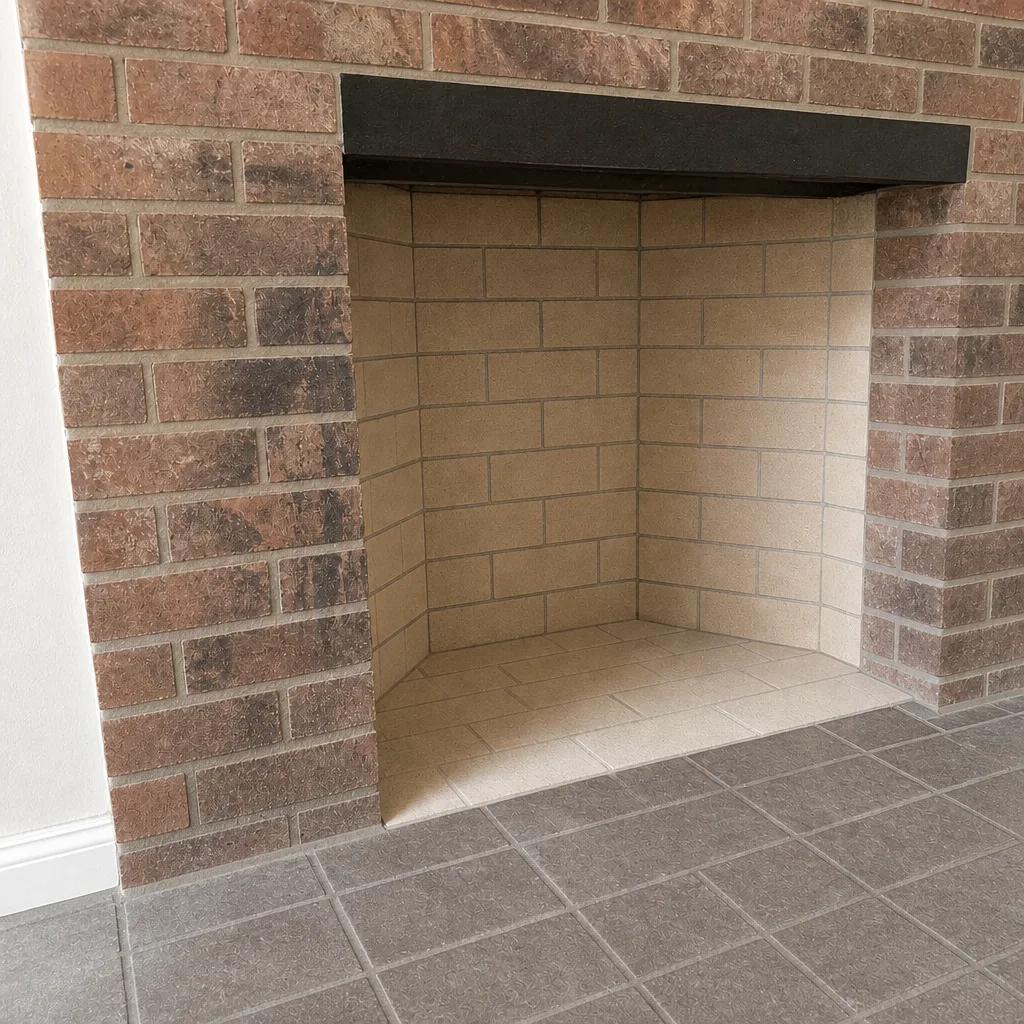
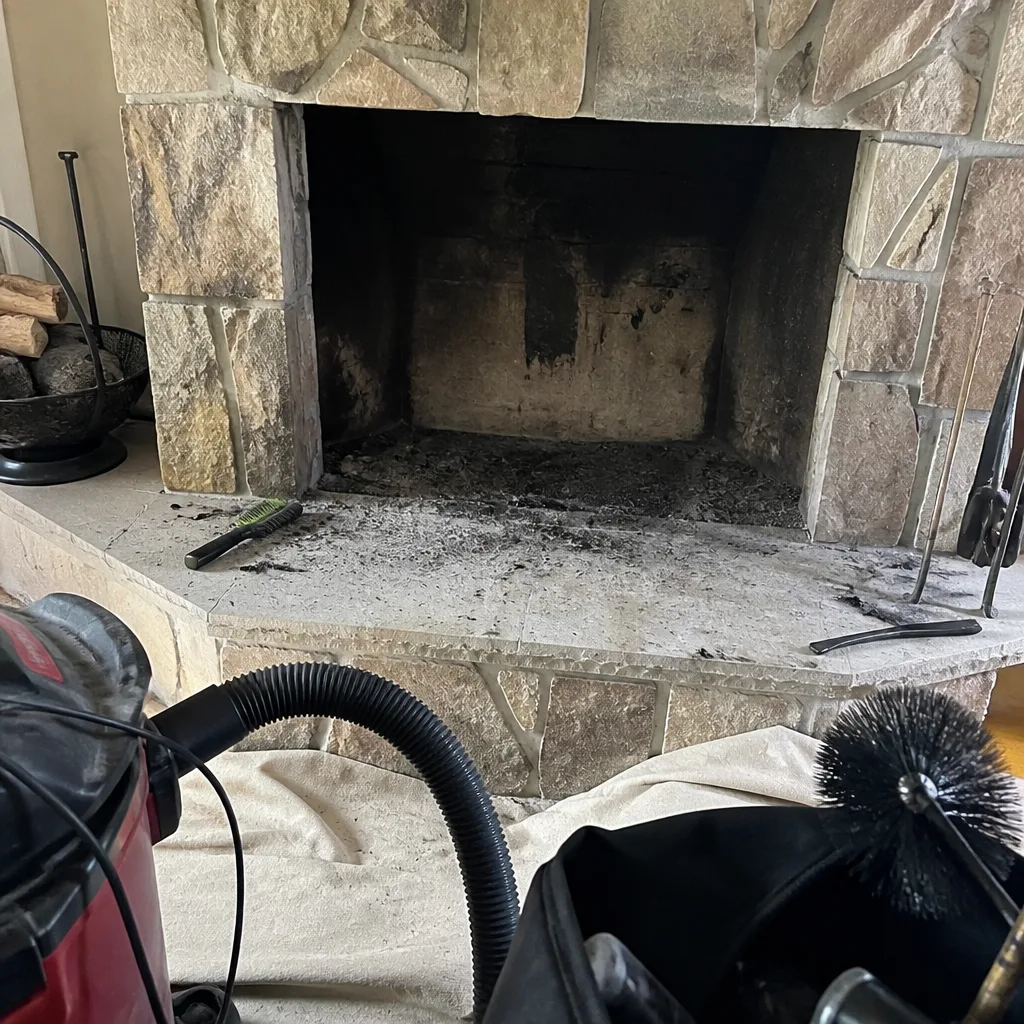
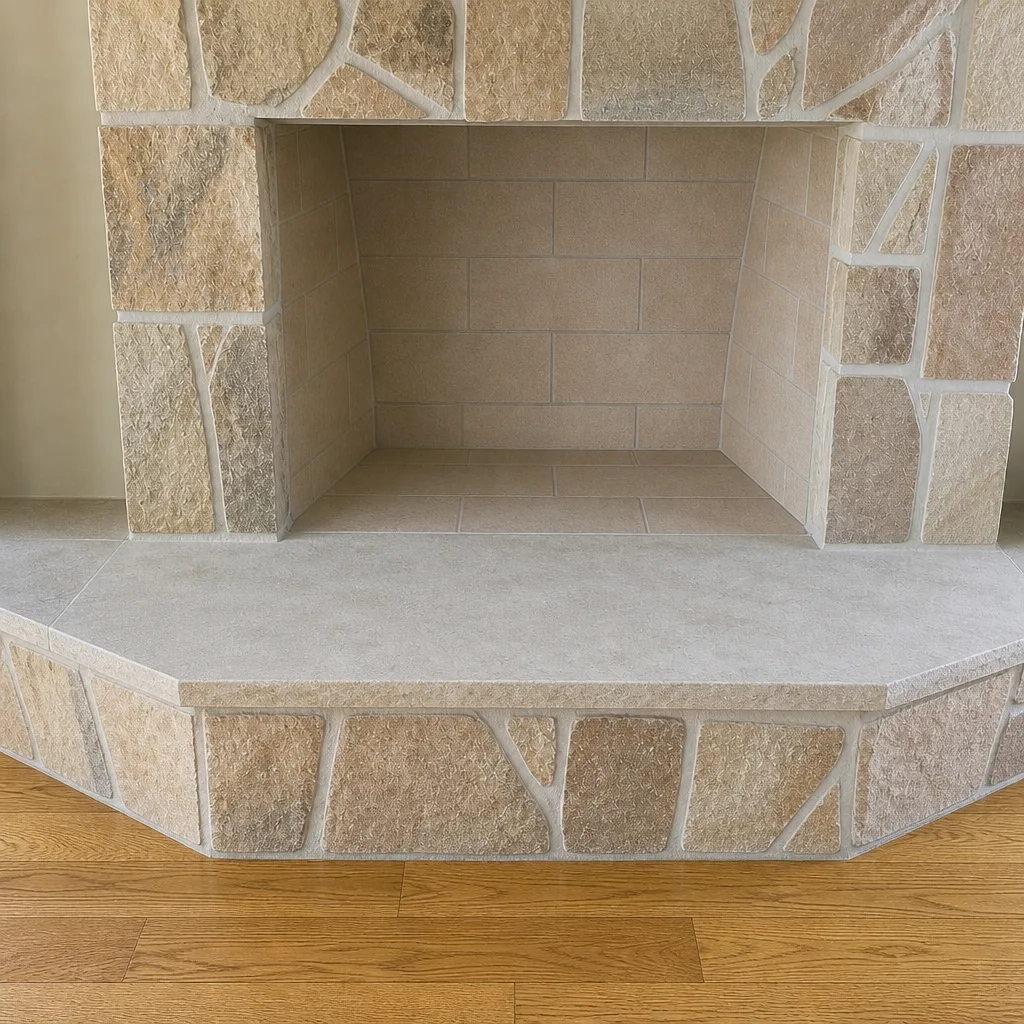
See the difference
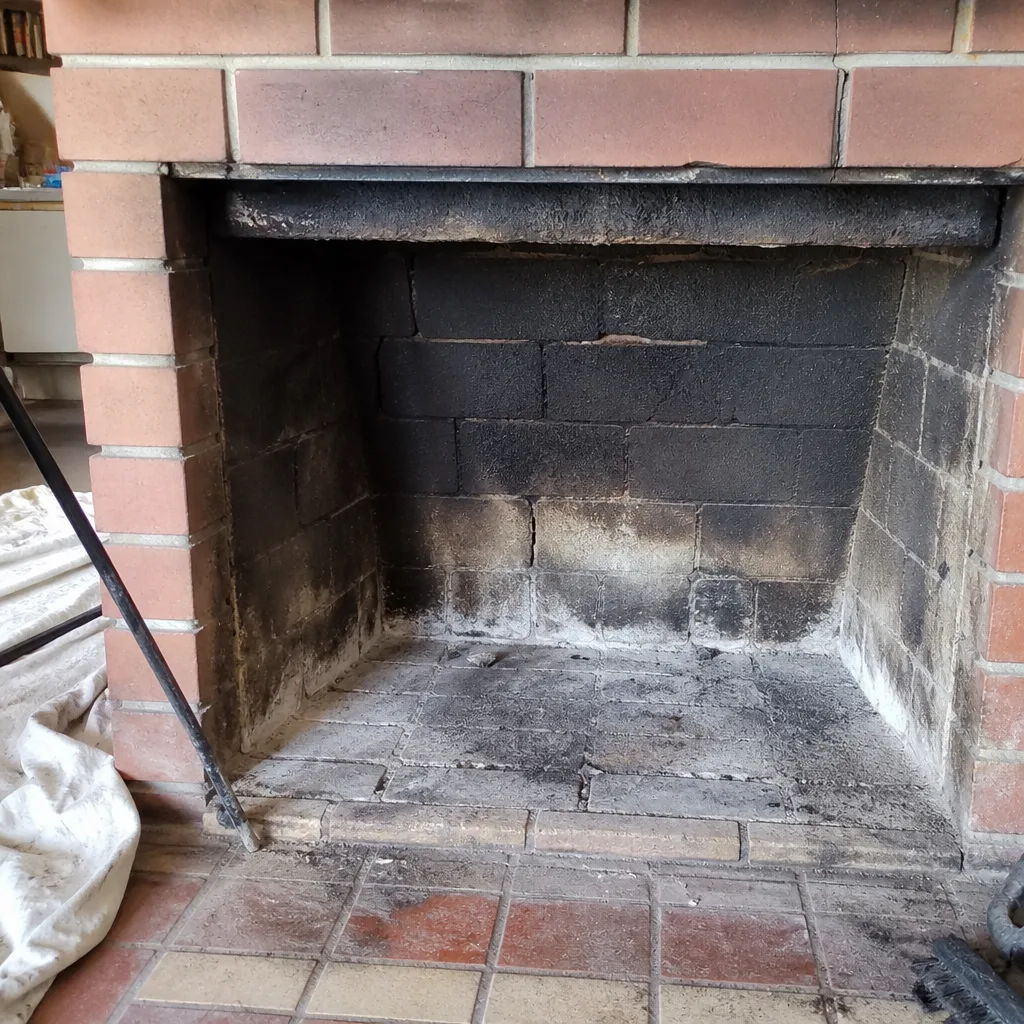 Before
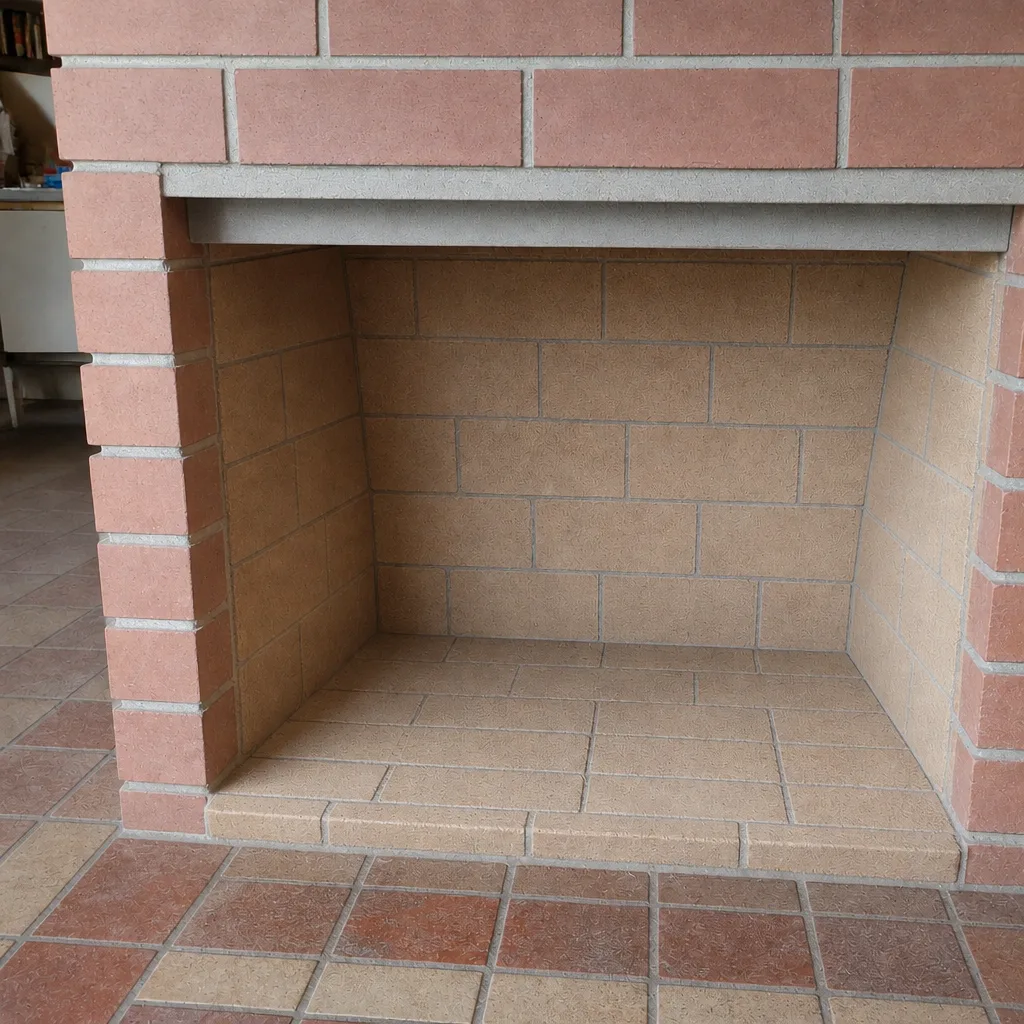 After
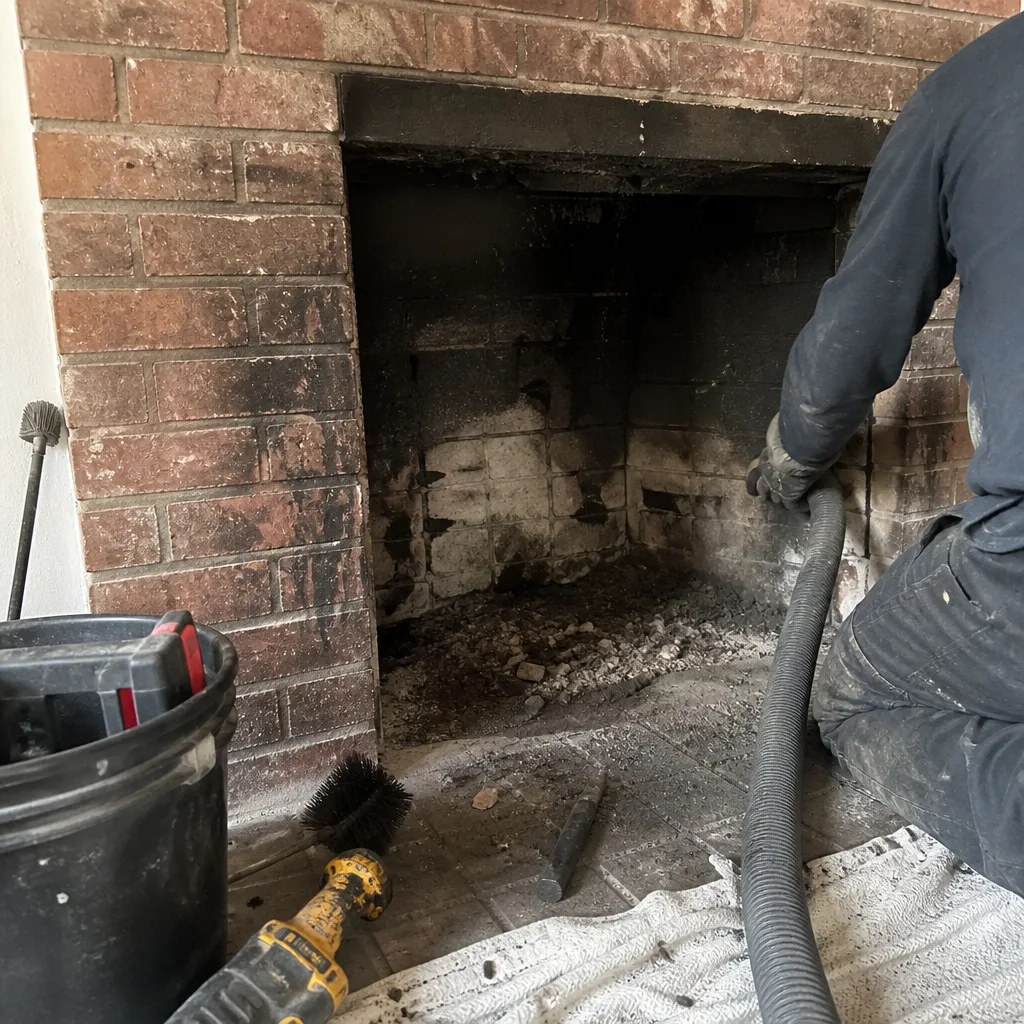 Before
 After
 Before
 After
When to Call a Professional
Some checks you can do yourself, and some you shouldn’t. Call a professional if you notice smoke backing into the room during a fire, visible cracks in the firebox or the exterior masonry, an obstructed flue you can’t clear safely from the hearth, a damper that won’t operate, a damaged or missing cap, or persistent moisture signs like white staining on the brick. Call as well if the chimney hasn’t been inspected in more than a year, if you’ve moved into a home where the previous owner’s maintenance history is unknown, or if you’re selling and need a documented condition report.
Harvest Chimney Sweep offers free estimates in Bakersfield. Call (833) 605-6632. We answer 24/7. Fast dispatch from 7am to 7pm, Sunday through Friday. Our technicians have up to 9 years of experience, we work with professional-grade brands like HeatShield and DuraFlex, and every job is written up so you have a record of what we found and what we did.
Frequently Asked Questions
Once a year is the standard, and in Bakersfield the sweep is best timed in late summer or early fall before the burn season. A household that burns heavily during burn ban periods or that burns a lot of green wood should consider a mid-season sweep if creosote builds faster than usual. The sweep itself depends on use; a fireplace that runs all winter needs the annual visit. Call (833) 605-6632 for an exact quote, and estimates are free.
Yes, because the two serve different purposes. A fall sweep clears the flue; a spring inspection looks at what the winter did to the masonry, cap, and damper going into the long summer dormancy. In Bakersfield, the off season is when moisture and animal intrusion happen. Catching those early costs less than discovering them in October. Call (833) 605-6632 to schedule a spring inspection.
It depends on what a few means and how the fire is built. A handful of well-built fires with dry hardwood produces much less creosote than a season of slow, smoldering green wood. In our experience, most households that burn at all benefit from an annual sweep, even a lighter one. A pair of eyes in the flue once a year prevents the surprises. Call (833) 605-6632 to book a sweep and get a read on whether your use pattern supports a lighter schedule.
Creosote builds up in layers, and thicker creosote ignites at a lower temperature. It also restricts the flue, which reduces draft and lets smoke back into the room. And it hides deterioration underneath, so a crack in the liner that would have been found at a yearly inspection gets a few extra years to widen. Skipping for years isn’t a fast problem, but it’s a compounding one. Call (833) 605-6632 for a free estimate on a sweep and inspection.
It depends on what the inspection finds. A liner with localized deterioration in a qualifying system can often be restored with HeatShield, which is a repair rather than a full relining. A liner with broader failure may need a full DuraFlex relining. We don’t recommend either without camera evidence you can see for yourself, and we say so plainly when a repair can safely wait. Call (833) 605-6632 for an inspection and a written recommendation.
Summer is the best window for repair work. The fireplace isn’t in use, the schedule is more open, and masonry repairs can be completed and cured before the fall sweep season fills up. Repairs that can safely wait until summer should wait; repairs that can’t be safely deferred get prioritized. Call (833) 605-6632 to schedule a repair evaluation.
The Bottom Line
Bakersfield doesn’t follow the national chimney-care calendar, and treating it like a cold-climate market is how homeowners end up discovering problems right when they need a fire the most. The rhythm here is a short burn season, a long dormancy, and a spring-and-summer maintenance window that quietly protects the system for months. Sweep before the first fire, inspect in spring, check the cap and damper every off season, and repair masonry in summer. A yearly plan that follows Bakersfield’s actual seasons is what our technicians with up to 9 years of experience build their work around. Everything we recommend comes with camera evidence you can see, and nothing gets recommended that can wait.
If your chimney is due for a sweep, an inspection, or a repair, give us a call. Harvest Chimney Sweep offers free estimates in Bakersfield, and we sweep, inspect, and repair under one roof, so you don’t have to coordinate three different companies. Before you light the first fire of the season, get the sweep on the calendar. Ready before the first fire beats a scramble on the first cold night of the year.
Call (833) 605-6632 for a free estimate. We answer 24/7. Fast dispatch from 7am to 7pm, Sunday through Friday.
Written by the team at Harvest Chimney Sweep.