
Last updated November 15, 2026
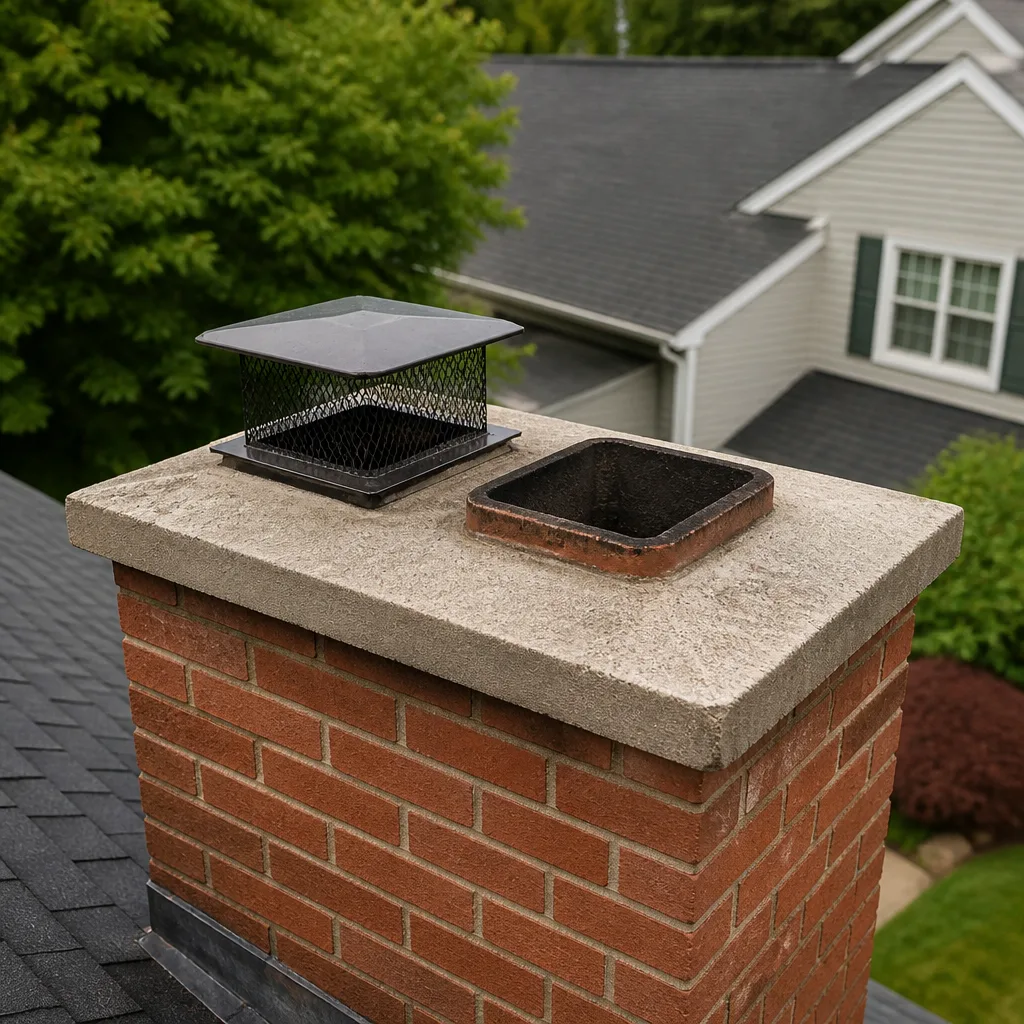 Sweep & inspection
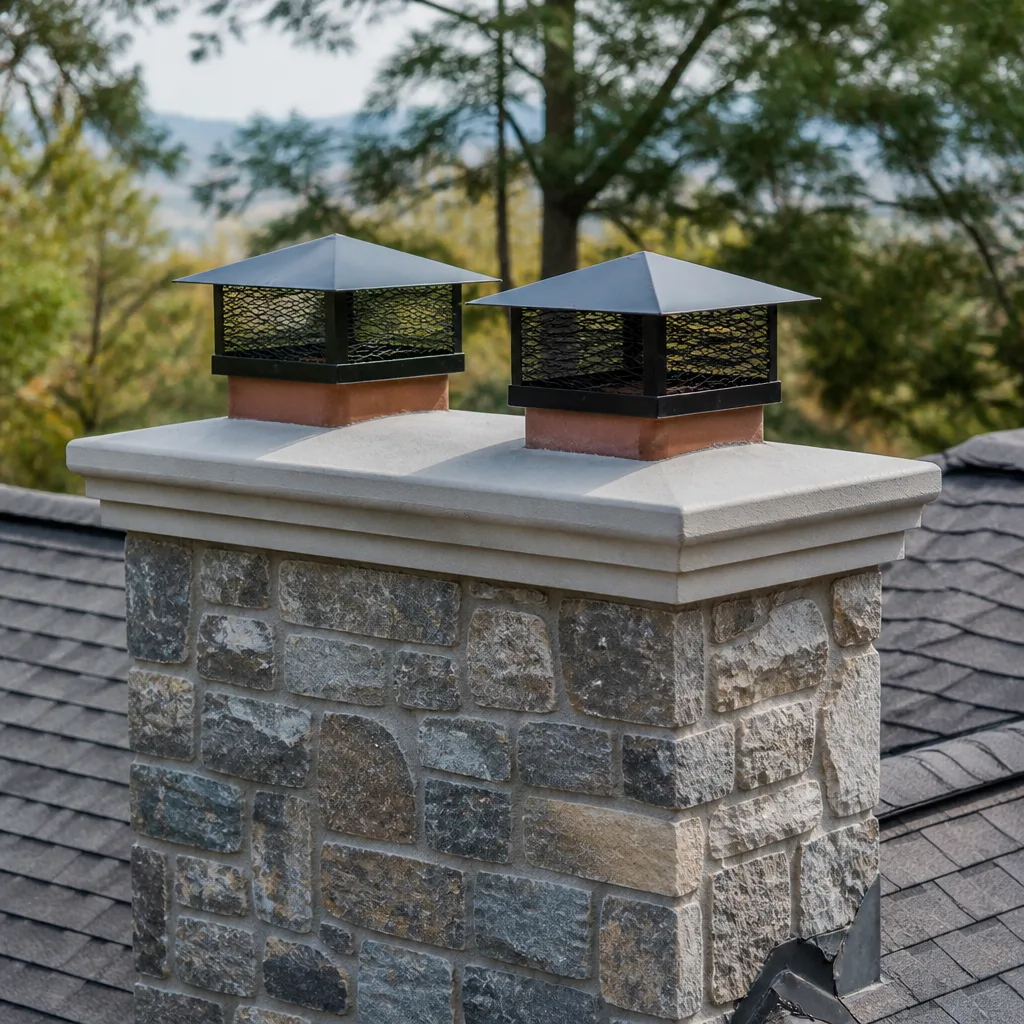 Caps & crowns
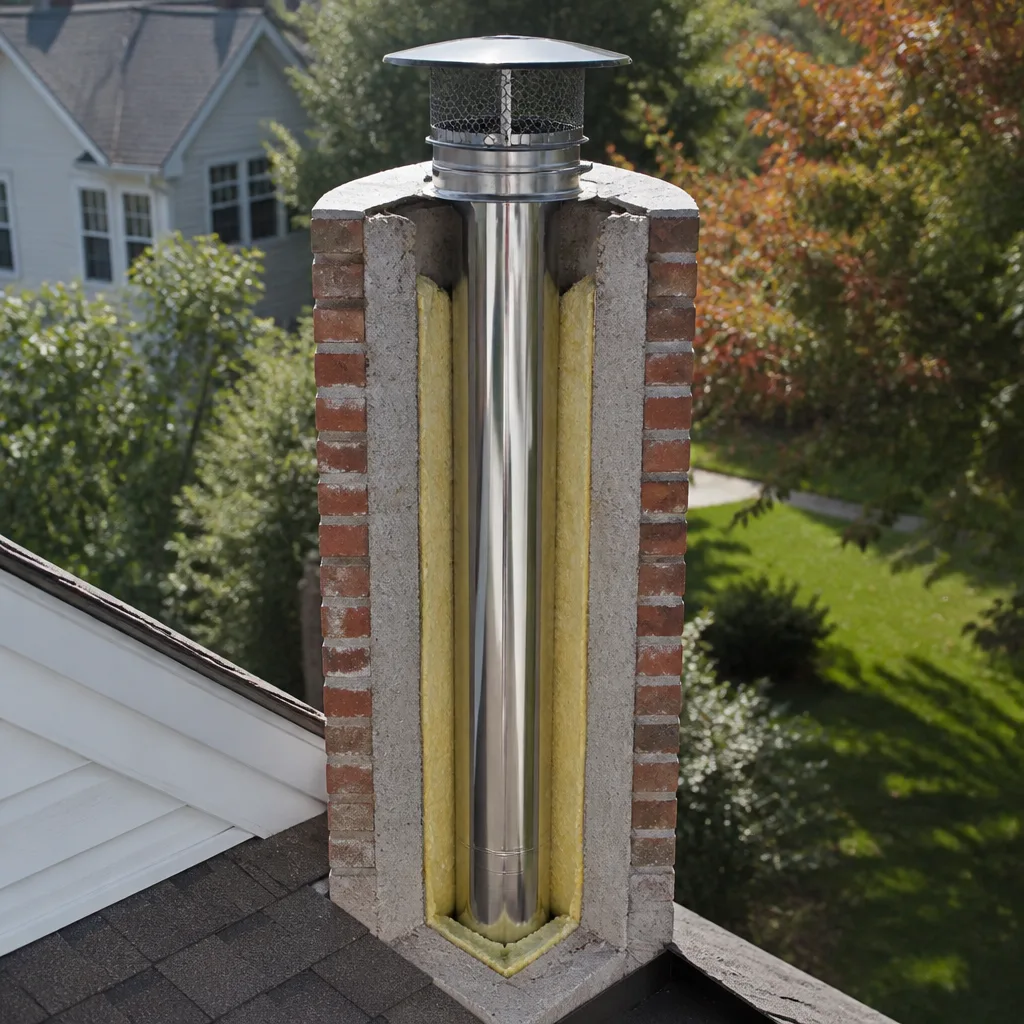 Flue relining
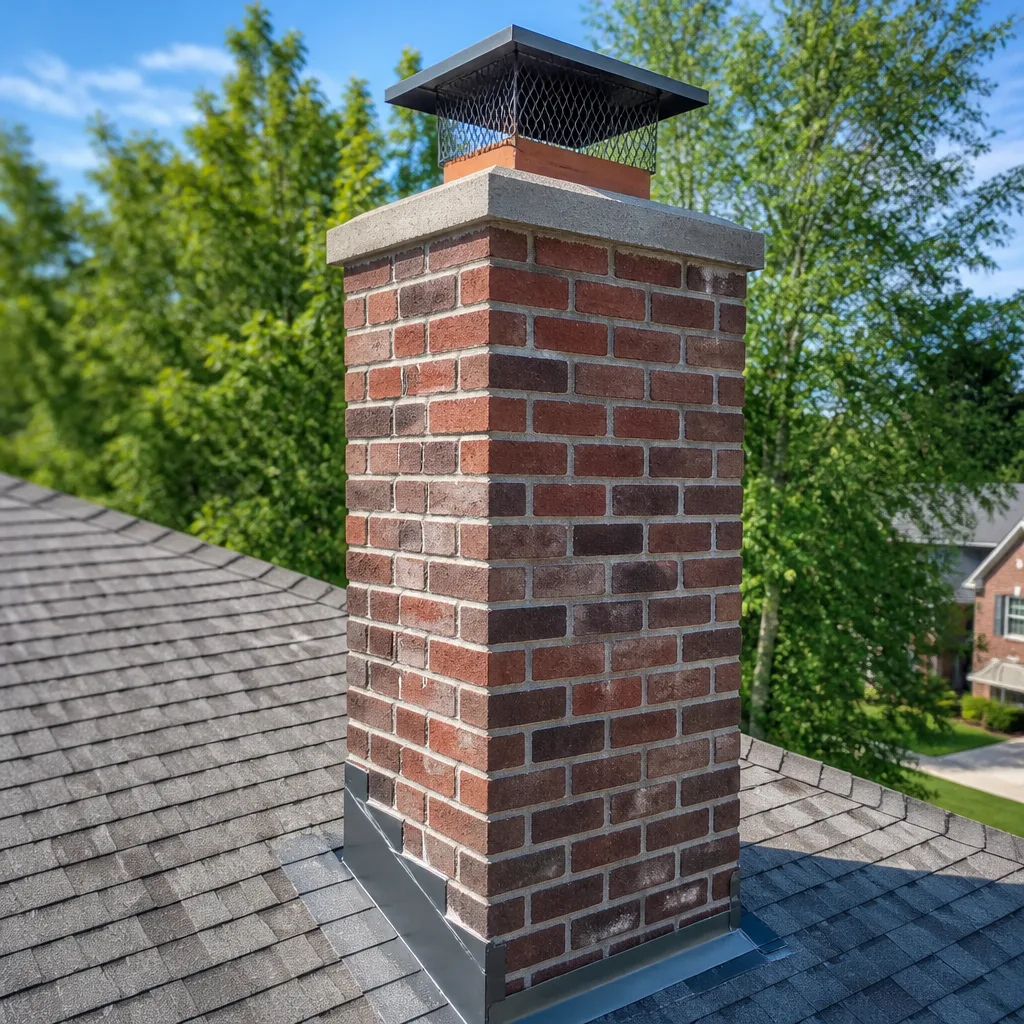 Masonry repair
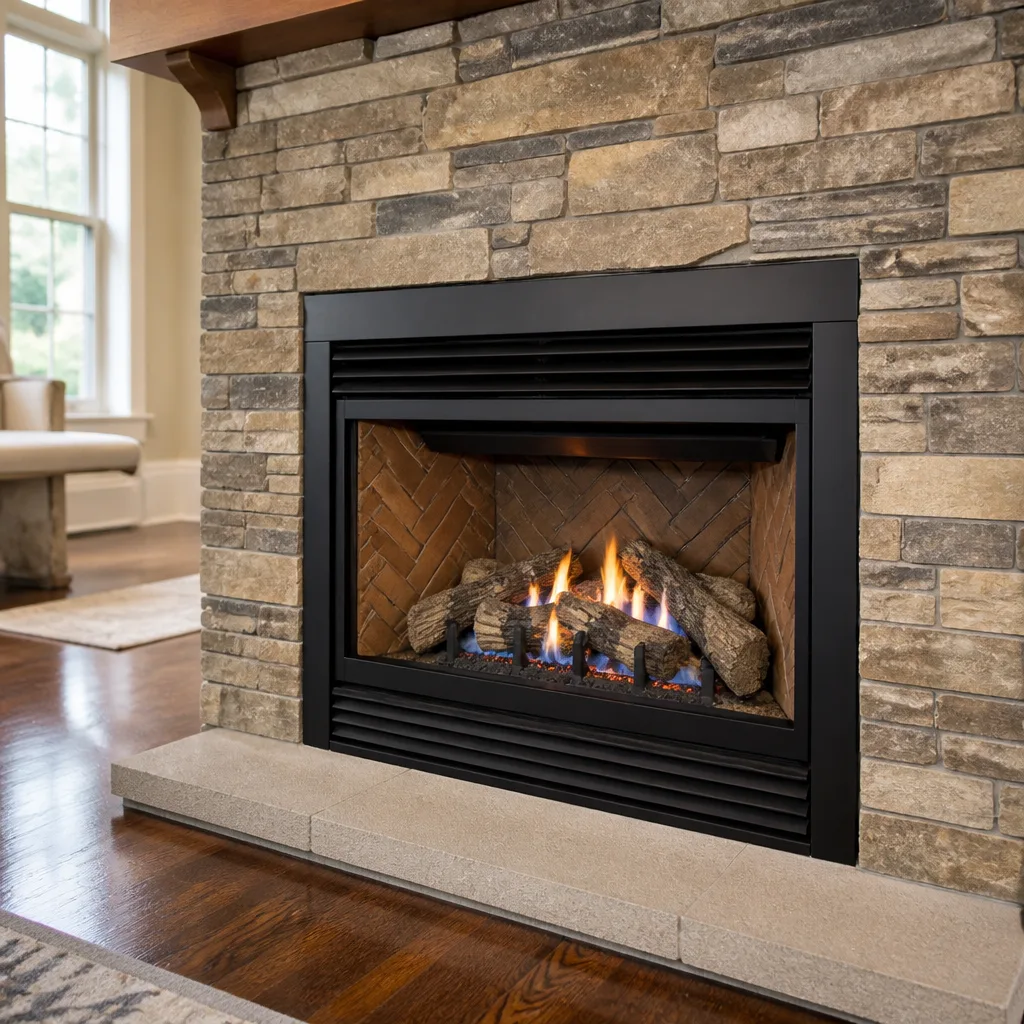 Gas fireplace service
Level 1 sweep and inspection to the NFPA 211 annual standard - flue, crown, cap, and flashing checked and photographed
Chimney sweep logs do not sweep chimneys. They loosen some creosote - which then falls where a brush and vacuum still have to collect it.
Chimney Cleaning Emergency Preparedness Guide for Bakersfield Homes
Most people think about their chimney in the middle of winter, when the first cold snap hits and the fireplace gets used again. That timing is exactly backwards. In Bakersfield, the windows when you’re most likely to need a fire (a cold night during a power outage, a smoky week when wildfire ash drifts into the valley) are also the windows when a neglected chimney is most dangerous. You don’t want to discover a cracked flue or a blocked cap at 9pm with the lights out. This guide walks through how to prepare a chimney for Bakersfield’s fire season, outage season, and cold snaps, so nothing gets left for the worst possible moment.
Quick Answer
Chimney emergency preparedness in Bakersfield means getting a professional inspection and sweep done before fire season and before the first cold-weather outage, keeping the cap, crown, and damper in working order, and knowing exactly how to operate your fireplace safely if the power goes out. An up-to-date inspection report also doubles as documentation if you ever file a smoke or fire damage claim with your insurer. The work is done ahead of time so an emergency never turns into a surprise.
Styles & brands we work with
- Sweep & inspection
- Caps & crowns
- Flue relining
- Masonry repair
- Gas fireplace service
Table of Contents
- Why Bakersfield Wildfire Season Creates a Dual Chimney Hazard
- The Pre-Emergency Chimney Checklist
- How to Run a Fireplace Safely During a Power Outage
- What to Do Immediately After a Chimney Fire
- How an Inspection Report Protects Your Insurance Claim
- Timing Your Chimney Work Around Bakersfield’s Seasons
- Neighborhood Notes: Older Bakersfield Housing Stock
- When to Bring In a Professional
Why Bakersfield Wildfire Season Creates a Dual Chimney Hazard
A chimney in Bakersfield faces two threats at once during wildfire season, and most homeowners only think about one of them. The first is exterior: embers carried on the wind can land on a chimney cap, crown, or the roof around it, and a cracked crown or a missing spark arrestor gives those embers somewhere to catch. The second is interior: smoke and fine ash from regional fires can drift down an open damper into the living space, especially on the still, hot afternoons when air quality in the valley drops. Both problems trace back to the same set of components, and both can be caught with a single inspection before fire season starts.
The exterior side is mostly about condition. A cap that’s rusted through, a crown with hairline cracks, and a spark arrestor that’s come loose all create small openings where embers can enter. On a windy day during a nearby fire, those openings matter. Inspecting the cap and crown before fire season is a simple line item that most homeowners skip until something fails.
The interior side is about the damper and the flue. A damper that doesn’t close fully lets smoke and ash drift in on bad air days, which is a comfort issue, but it’s also a sign the assembly needs attention. A flue with heavy creosote buildup makes the next fire riskier, because creosote is what actually fuels a chimney fire once a spark gets into the flue.
The reason this matters more in Bakersfield than in many places is that the two seasons overlap in a way that forces homeowners to use their fireplaces at the worst possible time. Wildfire smoke pushes people indoors. Heat events push the power grid. Cold nights follow heat events. That sequence is exactly the combination that sends people to a fireplace they haven’t touched since last year, and an uninspected chimney becomes a compounding risk. Our Harvest Chimney Sweep team sees this pattern every year, which is why we push the inspection earlier than most homeowners think to schedule it.
The Pre-Emergency Chimney Checklist
Run this checklist twice a year: once before wildfire season, and once before the first expected cold-weather outage of the year. Both passes take about ten minutes of homeowner time and catch the problems that turn a routine fire into an emergency. Anything you can’t verify yourself, put on the list for a professional inspection.
- Look at the cap from the ground. Binoculars work fine. Check for rust-through, missing screws, or a cap that’s tilted or detached. A cap that’s come loose lets rain, animals, and embers into the flue.
- Check the crown for cracks. The crown is the concrete or mortar cap at the top of the chimney. Hairline cracks are common on older Bakersfield homes; wider cracks or pieces missing mean water is getting in.
- Test the damper by hand. Open and close it fully. It should move smoothly and seal. A damper that sticks open or won’t close is a draft and smoke problem waiting to happen.
- Confirm the spark arrestor is intact. On wood-burning systems, the arrestor mesh should be clean and attached. A clogged arrestor restricts draft, and a missing one lets embers out onto the roof.
- Look up the flue with a flashlight. Heavy soot or a shiny, tar-like coating on the walls is creosote. That’s the fuel for chimney fires and the reason for a sweep.
- Note any smoke smell in the room when no fire is burning. A persistent smoke smell with the damper closed means the flue or cap has a problem, and you should have it looked at before you burn again.
- Find the inspection report from your last service. If you can’t find one, or it’s more than a year old, that’s your cue to book a fresh inspection.
Every item on this list is something a homeowner can reasonably check without climbing on the roof. We don’t recommend getting on the roof yourself, especially during fire season, when footing and wind make it a genuinely bad idea. Anything that requires getting up there is a call to a professional. Our technicians have up to 9 years of experience, and can handle the roof-level checks safely.
How to Run a Fireplace Safely During a Power Outage
If the power goes out on a cold Bakersfield night, a wood-burning fireplace can keep a room livable. It can also create a carbon monoxide hazard if you don’t understand how the system drafts and vents. The single most important fact is this: a fireplace needs a working draft to push exhaust up and out, and that draft depends on the flue being open and clear. Before you light anything, open the damper fully and confirm it’s actually open (a flashlight from below works). If the damper won’t open, don’t light a fire.
Once the damper is open, give the flue a few minutes to warm up. A cold flue drafts poorly and can push smoke into the room on the first fire of the season. Roll up a small amount of newspaper, light it near the damper, and let the warm air start moving up the flue before you add real fuel. This is the “priming” step most people skip on their first fire of the year.
Carbon monoxide is the risk to take seriously. A wood fire produces CO whether or not you can smell it, and a blocked or partially blocked flue pushes that CO into the living space. If the home doesn’t have a CO alarm on each sleeping floor, that’s a priority before the first fire of the season, outage or not. If the alarm sounds while a fire is burning, put the fire out, open windows, and get everyone outside. Call the fire department, then call a chimney professional before using the fireplace again.
A few operational rules that matter during an outage:
- Don’t over-fire. A small, hot fire burns more cleanly than a large, smoldering one, which produces more creosote and more smoke.
- Keep the damper open until the fire is fully out. Closing it early pushes smoke into the room once the embers start smoldering.
- Never burn treated wood, trash, or cardboard. Those produce chemicals that can damage the flue and irritate the lungs of everyone in the house.
- Ventilate the room. Crack a window slightly in the room where the fireplace is burning. It sounds counterintuitive, but a fireplace needs make-up air to draft properly, and a fully sealed house can starve the fire.
- Keep the firebox door or screen closed. Sparks and embers on a carpet or nearby furniture are a fire risk you don’t need in the dark.
If your gas insert is your heat source during an outage, the same caution applies to ventilation and CO. A gas insert still needs a clear flue and proper draft. If the insert won’t stay lit or the flame color looks wrong (a lazy yellow flame instead of a crisp blue one), shut it off and have it checked.
What to Do Immediately After a Chimney Fire
A chimney fire is often quieter than people expect. It can sound like a low roar, a crackle, or a rushing sound, and it can send puffs of black smoke or flakes of creosote out the top. If you suspect one, the priority order is: get everyone out, call 911, then call a chimney professional. Do not assume the fire is out because the noise stopped, and do not use the fireplace again until a professional has inspected the flue.
The steps to follow, in order:
- Get everyone out of the house and call 911. Even a small chimney fire can spread into the roof structure, and only the fire department can confirm that hasn’t happened.
- Don’t spray water down the flue. A sudden temperature change on a hot flue can crack it, and water on a hot firebox can cause steam burns or a flare-up.
- Close the fireplace doors or screen if you can do it safely. Starving the fire of air helps, but only if you can reach the doors without getting close to the fire.
- Wait for the fire department to confirm the scene is safe. Don’t re-enter the home until they’ve cleared it.
- Call a chimney professional for an inspection before the fireplace is used again. The flue can be cracked, the cap or crown can be damaged, and a creosote glaze can remain on the walls even after the fire is out.
The inspection is the part homeowners skip. A chimney fire can leave the flue structurally compromised in ways you can’t see from the firebox, and the next fire is the one that turns a contained event into a house fire. Our chimney repair team handles post-fire inspections regularly, and we document what we find so you have it in writing, whether for your own records or for an insurance claim.
If the inspection finds a damaged liner, we can often restore a qualifying flue with a HeatShield repair rather than a full reline. Where the liner has to come out, we install DuraFlex replacement systems. The point is that the post-fire inspection has to happen before you burn again, and it has to be thorough.
How an Inspection Report Protects Your Insurance Claim
A professional chimney inspection report is documentation. If a smoke or fire damage event does happen, an up-to-date inspection report is one of the strongest pieces of evidence that the homeowner did the maintenance, which matters when an insurer reviews a claim. Most homeowner insurance policies expect routine chimney maintenance, and a report showing the last inspection, sweep, and any repairs gives the adjuster a clear timeline.
Here’s what a good inspection report should contain:
- The date of the inspection and the level performed. Level 1 is a visual check of accessible components; Level 2 is a full inspection including the flue interior, and is the standard for a real-estate transaction or after a chimney fire.
- Photos or video of the flue interior. A camera record of the liner, joints, and any creosote or damage is what an adjuster can actually work with.
- Findings written out, not just checked off. “Hairline crack in crown, west face” is useful; a checkbox is not.
- Recommendations and timeframes. Which items are urgent, which can wait, and which are cosmetic.
If you’re buying or selling a home in Bakersfield, a Level 2 inspection is also the standard the real-estate process expects. Having that report ready before the transaction starts saves a scramble later, and it gives the buyer a clear record of the chimney’s condition at closing. Our chimney sweep and inspection work is documented this way on every job, so homeowners walk away with a report and not just a verbal summary. We sweep, inspect, and repair as one engagement, which means what the inspection finds can be quoted and scheduled without a second call and a second visit from a different company.
Timing Your Chimney Work Around Bakersfield’s Seasons
Bakersfield’s seasons compress the chimney calendar. The hot stretch runs long into fall, wildfire season overlaps the first cool nights, and the cold-weather window that reliably triggers outages is short. The practical result is that you want work done earlier than the traditional “call in October” instinct suggests. The ideal schedule has you booked for a sweep and inspection before fire season starts and again before the first expected outage window.
Here’s the timing that works best for a Bakersfield home:
- Late spring: Book a sweep and Level 1 inspection after the last fire of the previous season. This clears the creosote before summer and confirms the cap and crown survived winter wind and rain.
- Early fall: Re-check the cap, crown, spark arrestor, and damper before fire season and the first cold nights. If the spring inspection flagged repairs, this is when to finish them.
- Before the first expected outage window: Have the fireplace system checked end to end. An outage is the moment you can’t afford a problem, so it’s the moment to be sure the system is ready.
- After any chimney fire or smoke event: Inspect before burning again, full stop.
The reason to book early is simple: everyone else calls in October. Getting on the schedule two to three months before you expect to burn means the work gets done at a comfortable pace and the report has time to inform any repairs before they become urgent. If you’re on the fence about timing, our Bakersfield team can talk through what your system actually needs based on what we find.
Neighborhood Notes: Older Bakersfield Housing Stock
Chimney readiness is not the same everywhere in Bakersfield. The housing stock varies enough that a single checklist doesn’t fully cover every home, and the differences matter for emergency preparedness. Older homes in the core neighborhoods often have original masonry chimneys with clay tile liners, while newer builds east and north often have prefabricated metal fireplaces or gas inserts. Each type has its own failure modes, and knowing which one you have changes what to check.
In the older neighborhoods closer to downtown, the common findings we see are clay tile liners with offset or cracked tiles, crowns that have weathered, and dampers that have seized from disuse. Those chimneys benefit most from a Level 2 inspection and from HeatShield restoration work, because a clay tile liner can often be restored in place rather than replaced. In newer subdivisions, the fireplaces are more often metal or gas, and the focus shifts to the flue connections, the insert venting, and the cap. Those systems are less likely to have creosote problems and more likely to have installation or vent-cap issues.
Two specific things to check regardless of neighborhood:
- The chimney’s exterior on the prevailing wind side. That’s where water intrusion and mortar damage show up first, and where wind-driven embers are most likely to land during fire season.
- The height and clearance above the roofline. A chimney that’s grown too short (from a re-roof, or from damage to the top courses) drafts poorly and is more likely to push smoke back into the house, which is exactly the wrong outcome during an outage.
Understanding which of these apply to your home is the difference between a generic yearly sweep and a readiness plan built for your chimney.
Common Mistakes to Avoid
- Waiting for the first cold night to schedule the inspection. That’s when everyone else calls, when the schedule fills, and when a problem discovered on inspection delays the first fire. Book it earlier, even if the weather still feels like summer.
- Assuming a fireplace that worked last year still works this year. A damper, cap, or crown that was fine last season can have failed in the interim, especially after a windy fire season. A ten-minute check before the first fire catches it.
- Lighting a fire without opening the damper all the way. On the first fire of the season, a partially open damper pushes smoke into the room and puts CO in the air. Confirm it’s open with a flashlight.
- Using the fireplace after a chimney fire without an inspection. The fire can leave the flue cracked and creosote still glazed on the walls, and the next fire is the one that risks the house. Inspect before burning again.
- Leaving a chimney cap off because “it works fine without one.” An open flue accepts rain, animals, and embers. A cap is one of the cheapest safety items on the system, and it matters most during fire season.
- Burning a fire in a house with no working CO alarm. A wood fire produces carbon monoxide you can’t smell. An alarm on each sleeping floor is a baseline safety item, especially in a Bakersfield home that might run a fireplace during an outage.
- Tossing the inspection report. That document is what protects you if you ever file an insurance claim, and what a buyer will ask for during a home sale. Keep a copy where you can find it.
See the difference
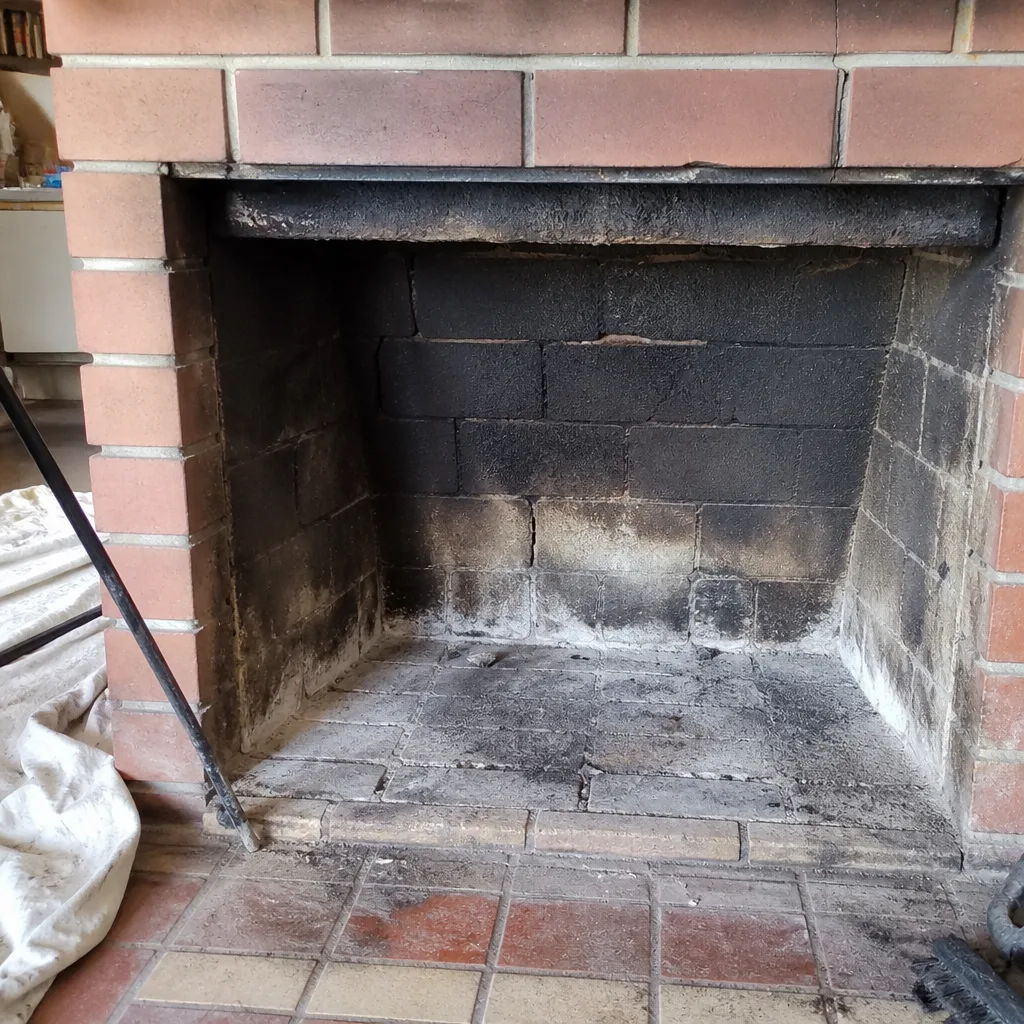 Before
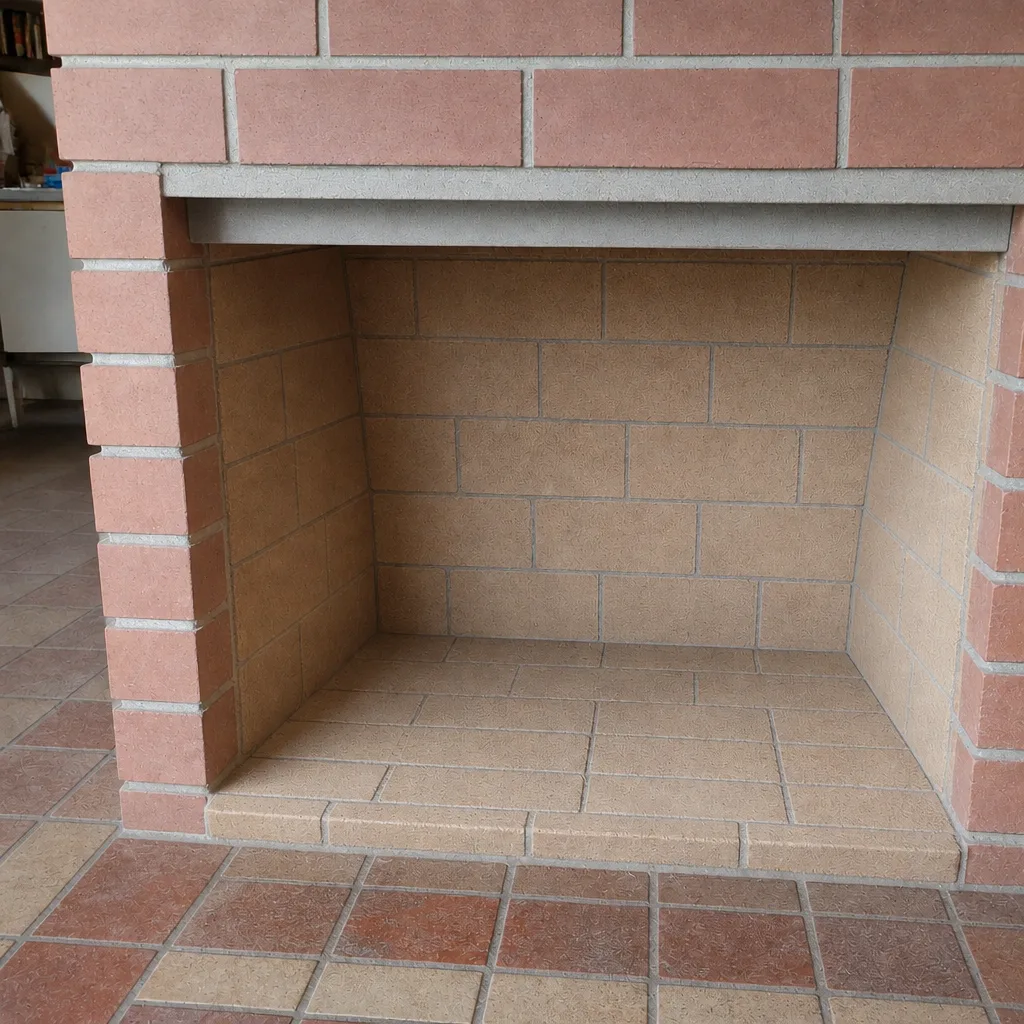 After
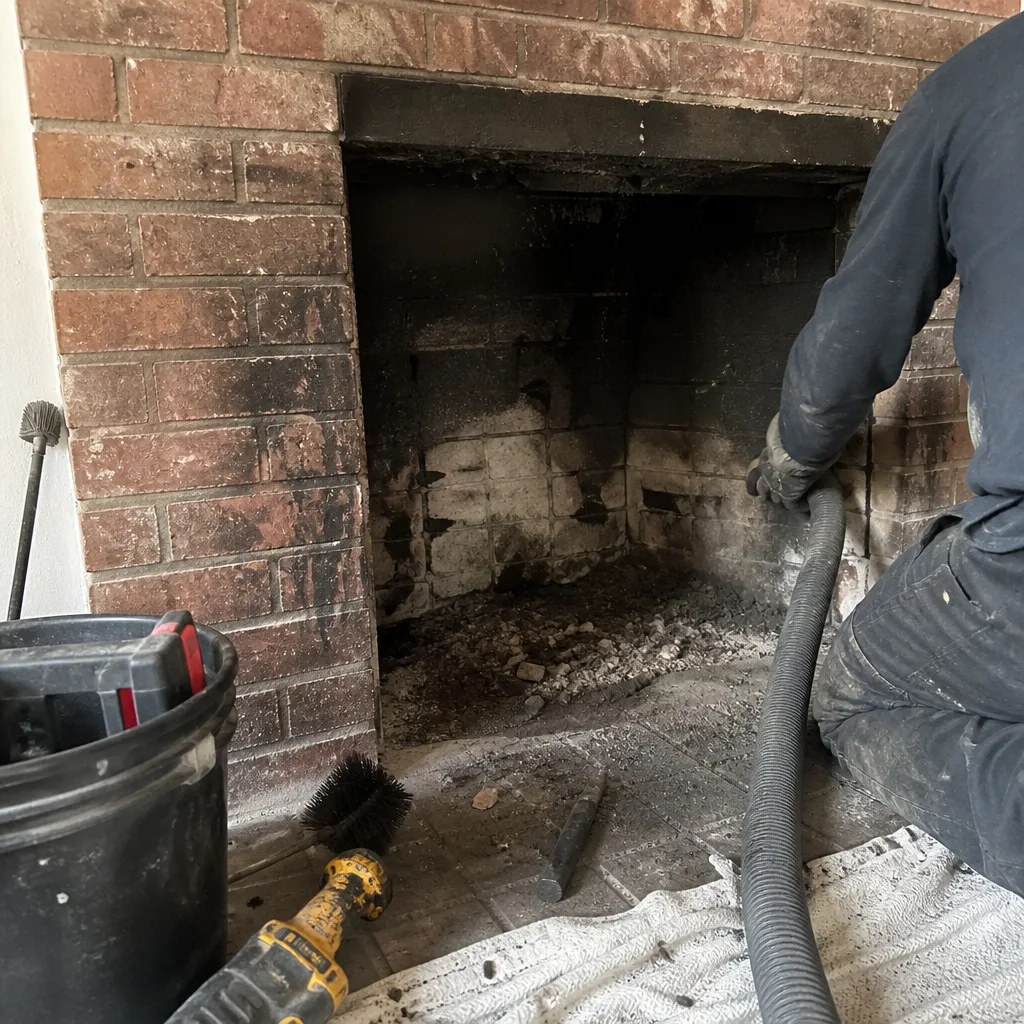 Before
 After
 Before
 After
When to Call a Professional
Call a professional chimney service if any of the following is true: you smell smoke in the room with no fire burning; the damper won’t open or close fully; the cap or crown is visibly damaged; you see heavy creosote on the flue walls; a chimney fire has happened, however small; the fireplace is new to you and you don’t have an inspection record; or you’re preparing a home for sale and need a Level 2 inspection. A professional also handles the roof-level work most homeowners shouldn’t attempt, especially during fire season. Harvest Chimney Sweep offers free estimates in Bakersfield. Call (833) 605-6632. We answer 24/7. Fast dispatch from 7am to 7pm, Sunday through Friday.
Frequently Asked Questions
Once a year for a home that burns regularly, and more often if you burn a lot or notice creosote building up. For a home in Bakersfield that uses the fireplace mainly during outages and cold snaps, an annual inspection with a sweep as needed is the standard. Call (833) 605-6632 for an exact quote.
No. A chimney fire can be quiet, sounding like a low roar or crackle, and it can go out on its own without the homeowner realizing what happened. If you hear a sound like that from the flue, or see black smoke or creosote flakes out the top, assume it was a fire and have the flue inspected before using it again. Call (833) 605-6632 to book an inspection.
Yes, if the flue and damper are in working order and you have a working CO alarm on each sleeping floor. Open the damper fully, prime the flue with a small newspaper fire, and keep the fire small and hot. If the damper won’t open or the CO alarm sounds, don’t burn. Call (833) 605-6632 for an inspection before outage season.
Get everyone out, call 911, then call a chimney professional to inspect the flue before you use the fireplace again. Don’t spray water down the flue, and don’t assume the fire is out just because the noise stopped. The inspection is what confirms the flue is safe. Call (833) 605-6632 for a post-fire inspection.
It can. An up-to-date inspection report documents routine maintenance, and it gives an adjuster a clear record of the chimney’s condition before any damage event. Keep the report, with photos or video of the flue, somewhere you can find it. Call (833) 605-6632 to schedule a documented inspection.
Because a chimney is exposed to embers on the outside and to smoke infiltration on the inside, whether or not you’re burning. A damaged cap or crown gives wind-driven embers a place to catch, and an open damper lets smoke and ash drift into the house on bad-air days. Both are caught with a pre-season inspection. Call (833) 605-6632.
The Bottom Line
Chimney emergency preparedness in Bakersfield comes down to timing. Get the inspection and sweep done before fire season and before the first cold-weather outage, check the cap, crown, damper, and spark arrestor yourself twice a year, and know how to run a fire safely when the power is out. If a chimney fire happens, get everyone out, call 911, and don’t burn again until a professional has inspected the flue. Keep the inspection report, because it doubles as documentation for insurance. And when you’re ready to get the work scheduled, call us. Call (833) 605-6632 for a free estimate. We answer 24/7. Fast dispatch from 7am to 7pm, Sunday through Friday.
Written by the team at Harvest Chimney Sweep.