
Last updated November 15, 2026
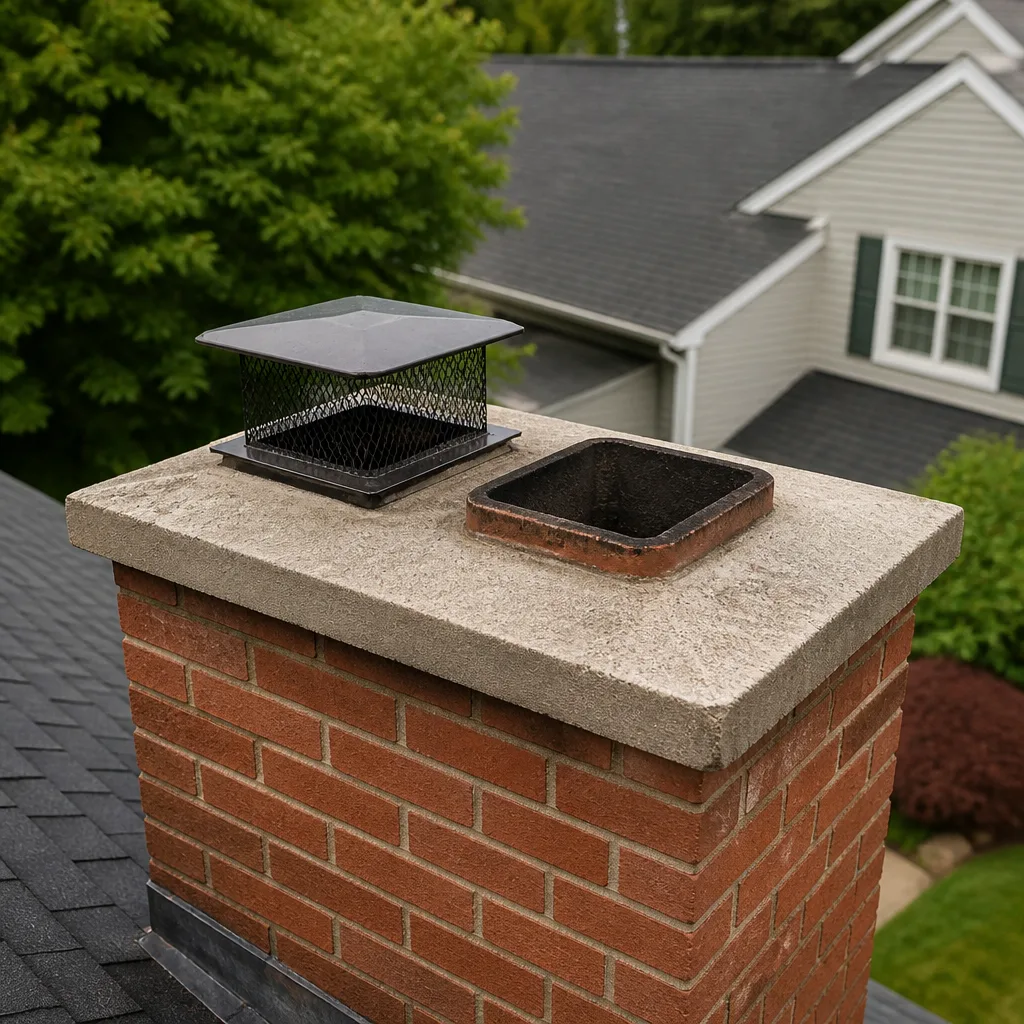 Sweep & inspection
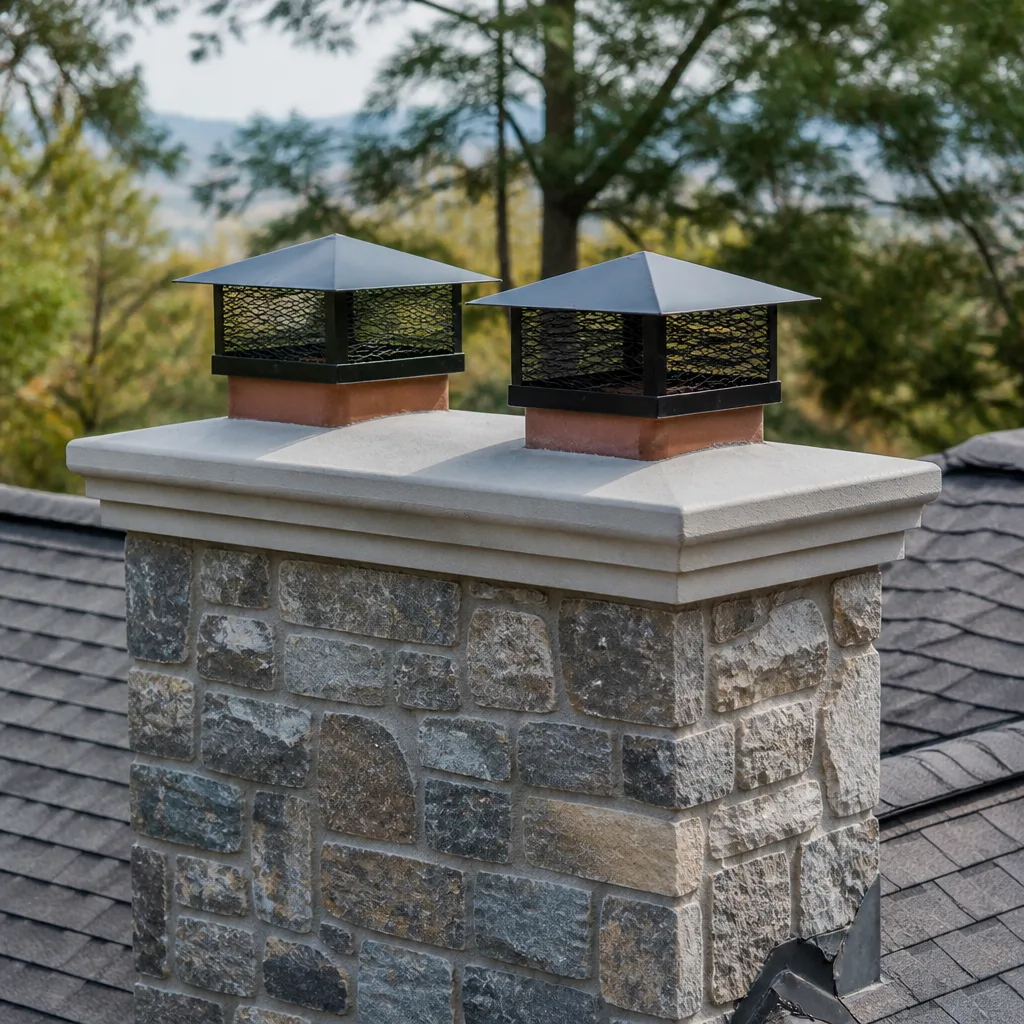 Caps & crowns
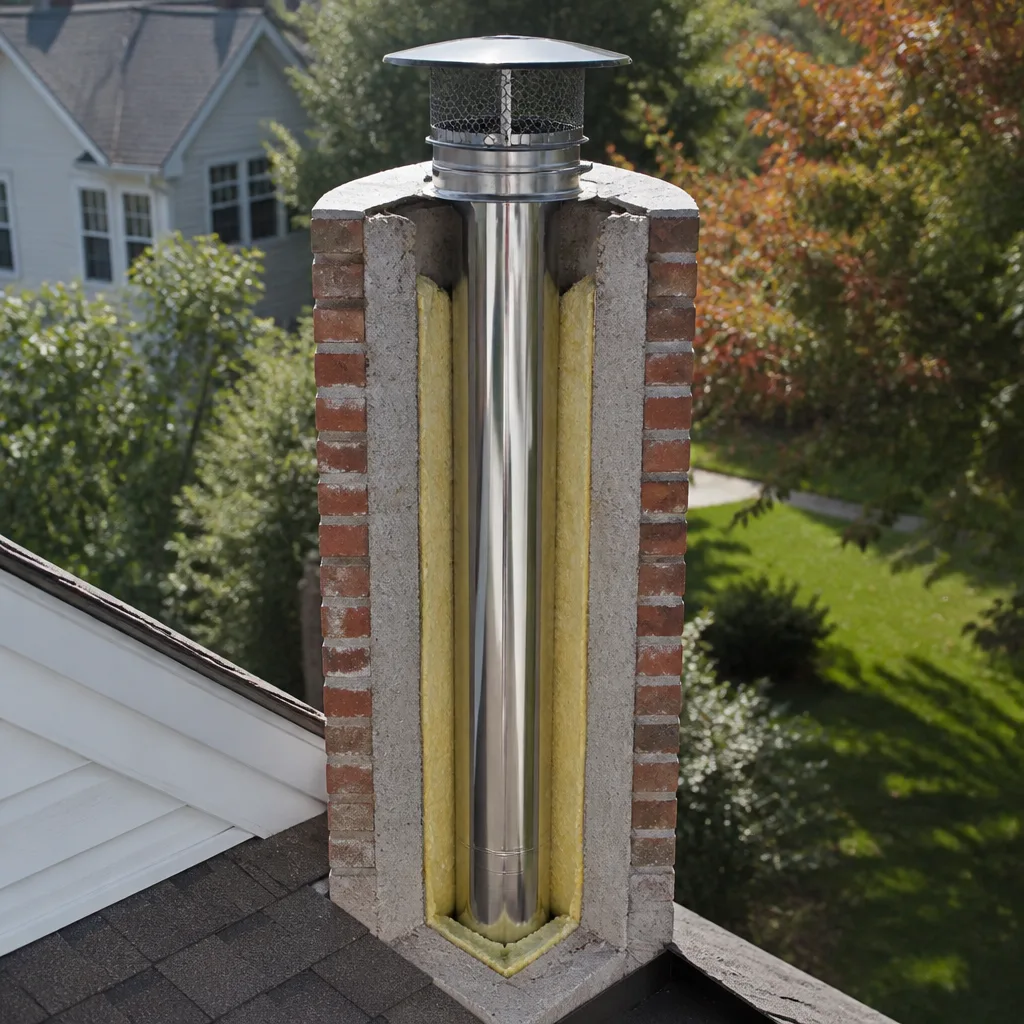 Flue relining
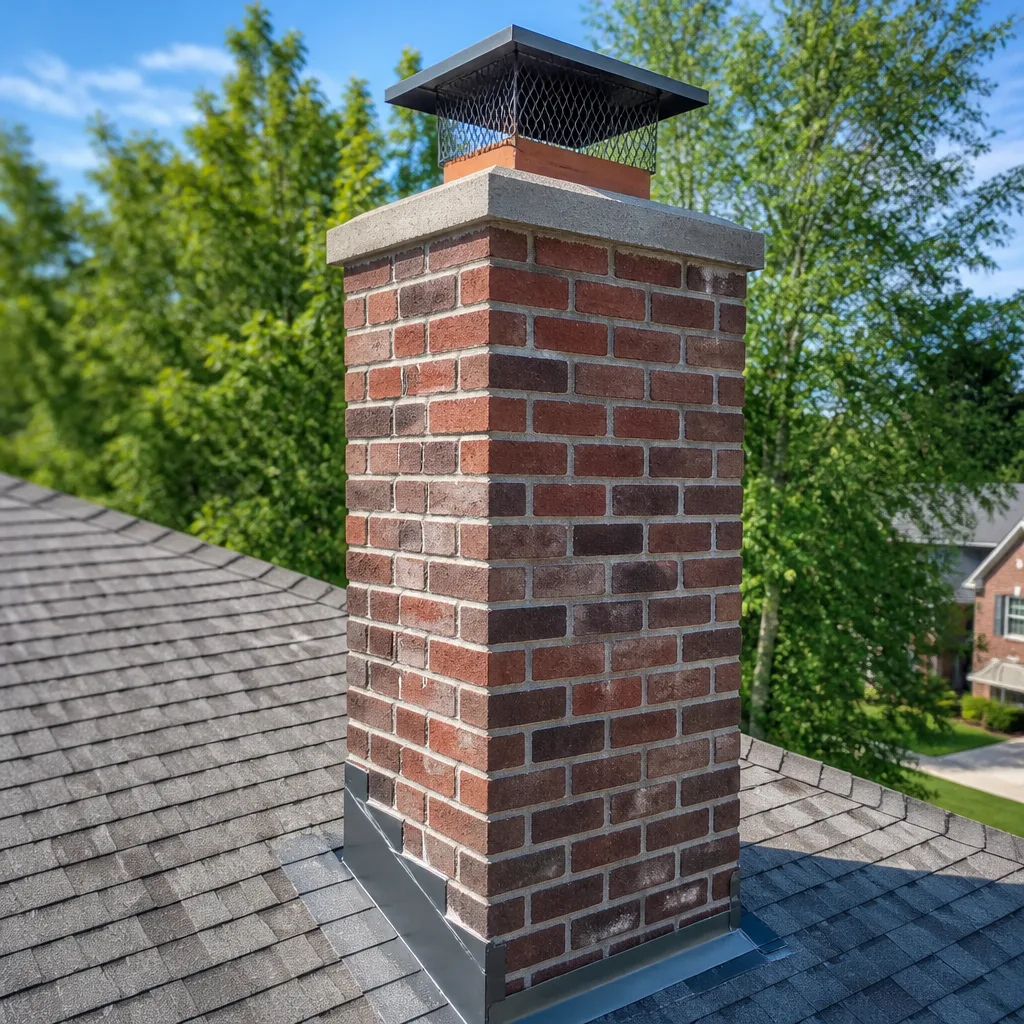 Masonry repair
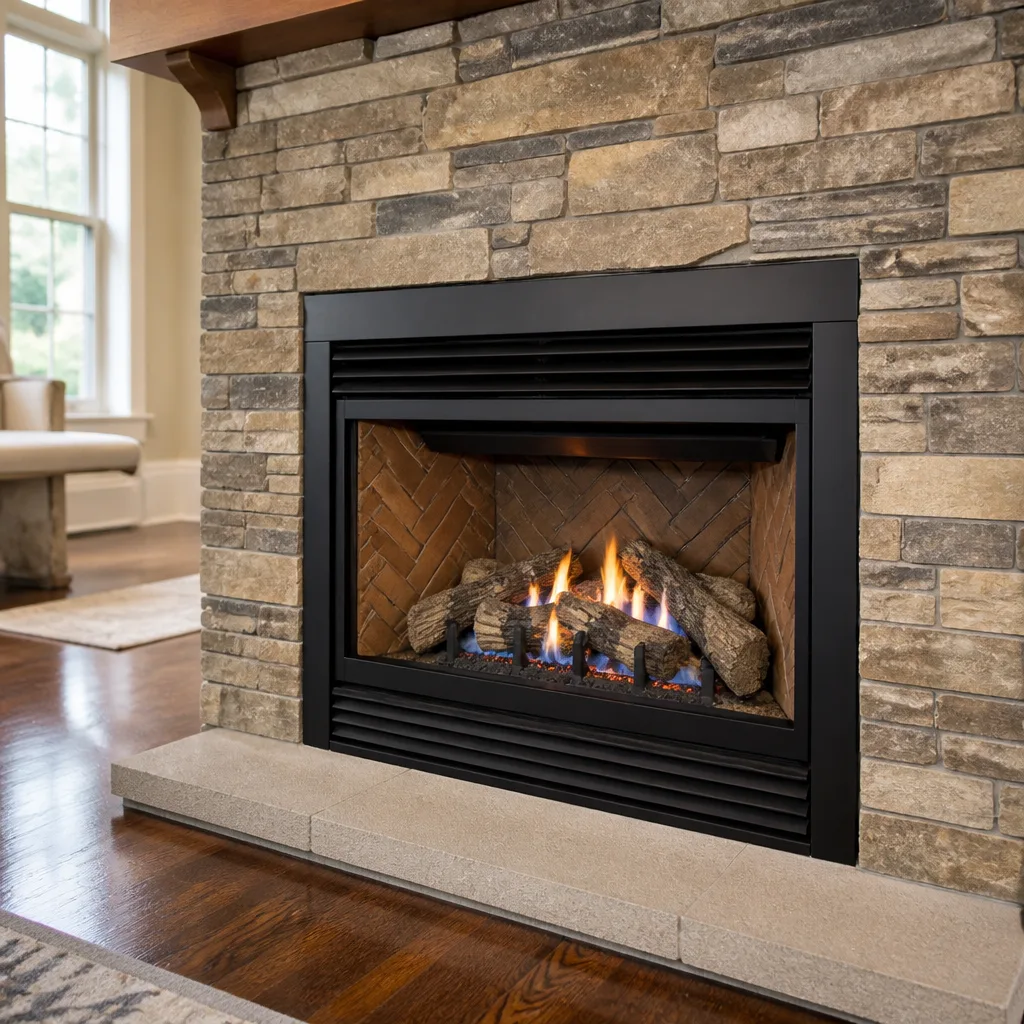 Gas fireplace service
Level 1 sweep and inspection to the NFPA 211 annual standard - flue, crown, cap, and flashing checked and photographed
Chimney sweep logs do not sweep chimneys. They loosen some creosote - which then falls where a brush and vacuum still have to collect it.
DIY vs Professional Chimney Cleaning: The Bakersfield Homeowner’s Decision Guide
A chimney brush kit sits on the shelf at every hardware store in Bakersfield, and yes, you can physically push a brush up your own flue. That’s the part nobody argues about. The part that gets skipped is everything you can’t see while your head is inside the firebox: the condition of the liner behind the mortar, the Stage 2 creosote glazed onto the upper flue walls, the hairline crack in the crown that’s been letting winter rain into the masonry. This guide walks through what DIY brushing actually accomplishes, where the honest line falls, and how to decide which side of it your Bakersfield home is on.
Styles & brands we work with
- Sweep & inspection
- Caps & crowns
- Flue relining
- Masonry repair
- Gas fireplace service
Quick Answer
DIY chimney brushing is reasonable for a low-use gas fireplace or a wood-burning flue that passed a professional inspection recently, where you have safe roof access and know what you’re looking at. It is not reasonable as your only maintenance, because brushing removes loose soot and nothing else – it can’t assess liner integrity, identify Stage 2 or Stage 3 creosote, or catch structural defects. In Bakersfield, the houses where DIY goes wrong are usually the ones where the flue hadn’t been looked at by anyone in years.
Table of Contents
- What DIY Brushing Actually Accomplishes
- The Three Levels of Chimney Inspection, Explained Simply
- When DIY Is Genuinely Reasonable
- When DIY Becomes a Liability
- The Roof Reality in Bakersfield: Single-Story Ranches vs. Two-Story Homes
- What “Cleaning” Doesn’t Remove
- The Real Cost Math: Tools, Time, and the Inspection You Still Need
- Common Mistakes to Avoid
- When to Call a Professional
- Frequently Asked Questions
What DIY Brushing Actually Accomplishes
A brush and rod set does one thing well: it knocks down loose, fluffy soot and light ash deposits from the flue walls and the smoke chamber. If your fireplace has seen a normal season of use and the deposits are the dry, powdery kind, a homeowner with the right brush size and a bit of patience can get a decent result.
That’s a real accomplishment. Light soot left to accumulate restricts draft over time, and a partially blocked flue draws poorly. Removing it is worthwhile work, and there’s no reason to pretend otherwise.
What the brush can’t do is the reason this decision matters:
- It can’t evaluate. A brush scrapes. It doesn’t tell you whether the flue liner is intact, whether the mortar joints between clay tiles have started to fail, or whether the smoke chamber has a crack you can’t see from below.
- It can’t reach everything. The smoke shelf and the offset above the damper are notoriously hard to clean from inside the firebox. Debris and animal nesting packed into that pocket behind the smoke shelf often stays there after a homeowner sweep.
- It can’t remove glazed creosote. Stage 2 creosote has a hardened, tar-like or flaky character that a standard poly brush mostly slides over. That’s the fuel that feeds a chimney fire.
- It can’t document anything. You get a cleaner flue, not a written record of your system’s condition for insurance, a real-estate transaction, or your own reference next season.
So the honest framing isn’t “DIY is bad.” It’s that DIY brushing is a cleaning task, and cleaning is only one of three things a chimney needs. The other two – inspection and repair – are where the value of a professional visit lives. That’s the whole case in a sentence.
If you want to understand how those three services fit together, our Harvest Chimney Sweep page lays out the full scope of what a thorough chimney engagement involves in Bakersfield.
The Three Levels of Chimney Inspection, Explained Simply
The chimney industry uses a three-level inspection framework, and it’s the most useful tool a homeowner has for deciding whether DIY is enough. Understanding it turns a vague “do I need someone out here?” into a concrete question.
Level 1: The Standard Annual Inspection
This is what accompanies a routine sweep. It covers the readily accessible parts of the system – the firebox, damper, smoke chamber, and the visible portions of the flue from the firebox and from the roof – without tools that read inside the flue or open up concealed areas. It answers: is the system sound and clear enough to keep using this season? For a home with a known, well-maintained chimney, this is the appropriate check.
Level 2: The Inspection for Changes and Transactions
Level 2 goes further. It includes everything in Level 1 plus inspection of accessible attic, crawlspace, and any concealed portions of the chimney, and it’s documented with photos. This is the level required after a chimney fire, after an earthquake or a major storm event, after a change to the appliance or fuel type, and during a real-estate transaction. In Bakersfield, where a lot of housing stock changes hands regularly, this is the inspection sellers and buyers need – and it is not something a homeowner can perform on their own.
Level 3: The Diagnostic Deep Dive
Level 3 is reserved for when a Level 1 or Level 2 inspection finds a problem that needs a closer look, and it may involve removing parts of the chimney or its trim to access a specific area. It’s targeted, not routine.
The practical takeaway: DIY brushing sits roughly inside what a Level 1 visit would clean, but it includes none of the Level 1 assessment. And it does not touch Levels 2 or 3 at all. Knowing where your home falls on that ladder tells you more about your DIY decision than any general advice could.
When DIY Is Genuinely Reasonable
There are real situations where a brush kit and a free afternoon are all the job needs. We’d rather point them out than pretend every chimney requires a professional every time. Here’s the honest list:
- Low-use gas fireplace. A gas log set or gas insert that runs a few times a week during Bakersfield’s short cool season produces a fraction of the deposits of a wood fire. There’s no creosote issue to speak of. The firebox and glass need attention, but the flue itself rarely accumulates enough to matter.
- A recent professional inspection on file. If you’ve had the system assessed within the last year and nothing was flagged, you know the liner is intact and the structure is sound. That knowledge is what makes a between-visit touch-up sweep reasonable.
- Comfortable, safe roof access with a flat or low-slope pitch. If getting to and standing safely at the chimney top is genuinely routine for you, you clear one of the biggest hurdles. Most Bakersfield homeowners can’t honestly check this one.
- The right brush, correctly sized. A brush sized to your flue’s actual dimensions – not an oversized one forced through – cleans without scouring the liner. That’s a real detail most hardware store kits get wrong.
Notice what all four have in common: they depend on something a professional already confirmed, or on a genuinely low fuel load. DIY isn’t wrong here. It’s just downstream of an inspection, not a replacement for one.
When DIY Becomes a Liability
The same brush kit that’s fine in the cases above becomes a genuine risk in others. If any of these describe your home, hire it out:
- The chimney hasn’t been professionally inspected in years. This is the big one. You can’t assess what you don’t know how to assess. A flue that has never been checked by a professional is a flue with unknown liner condition, and cleaning it does nothing to change that.
- You burn wood regularly through the season. Regular wood use builds creosote, and creosote buildup in its later stages requires more than brushing. That’s a job for someone with the tools to remove glazed deposits safely.
- You’ve had a chimney fire, or suspect one. A chimney fire can crack tiles and distort metal liners in ways that aren’t visible from the firebox. This calls for a Level 2 inspection before you burn again.
- You’re seeing or smelling signs of trouble. A strong creosote smell, staining on the exterior masonry, a damper that won’t operate smoothly, or visible cracks in the firebox all point to problems brushing can’t address.
- The roof access is genuinely unsafe. A steep pitch, a tall stack, or a wet roof surface turns a routine sweep into a fall hazard. No cleaning is worth a fall.
- You need documentation. Insurance claims, real-estate transactions, and warranty disputes all require a written inspection report. Self-cleaning produces no such record.
For homeowners in Bakersfield who want a professional chimney sweep, the goal of that visit is not just a clean flue – it’s a documented picture of what condition the system is in before the next fire.
The Roof Reality in Bakersfield: Single-Story Ranches vs. Two-Story Homes
Bakersfield’s housing stock is famously varied. There are mid-century single-story ranch homes in older central neighborhoods, two-story builds in newer subdivisions, and everything in between. That layout matters more than people expect when they’re weighing DIY.
Single-Story Ranch Homes
A single-story ranch typically means a lower roofline, easier ladder placement, and a chimney you can reach without navigating a long run of roof. If the pitch is moderate and the access is clear, a capable homeowner can reasonably get to the chimney top. This is the scenario where DIY sweeps actually happen in practice.
Even here, the safety margin is thinner than it looks. Bakersfield’s rooftops get hot for much of the year, and clay tile or composite shingles can be slick, especially on shaded slopes. A fall from a single-story roof is still a serious event.
Two-Story Homes and Steep Pitches
This is where DIY becomes a hard no for most people. A two-story chimney means a taller ladder, a longer reach, and a higher fall should something go wrong. A steep pitch compounds all of it. And a tall stack often means a longer flue run – which is precisely the kind of chimney that benefits most from a proper brushing and a camera check.
On top of access, the flue itself matters. Taller flues are harder to clean evenly from the bottom with rods, and the upper sections are exactly where heat drives creosote deposition. A brush that only reaches partway up does partway work.
Roof access is one of the most common reasons Bakersfield homeowners call us rather than climb. If your home is two stories or the pitch is anything but gentle, the decision is already made.
What “Cleaning” Doesn’t Remove
This is the section that most guides skip, and it’s the crux of the DIY question. Even a well-executed homeowner sweep leaves specific things behind. Each of those gaps has a consequence.
Stage 2 and Stage 3 Creosote
Creosote forms in three recognizable stages. Stage 1 is the fluffy, soot-like deposit a brush handles well. Stage 2 is harder and shinier – either flaky or tar-like – and clings much more stubbornly. Stage 3 is the glazed, hardened coating that looks almost like a shellac on the flue wall. Stage 2 needs specialized tools and some physical effort to remove. Stage 3 often requires chemical treatment or, in bad cases, professional rotary cleaning. A homeowner with a poly brush isn’t going to remove Stage 2 and Stage 3 reliably, and those are exactly the deposits that present the fire risk. This is the single biggest gap between DIY and professional cleaning.
Animal Debris Behind the Smoke Shelf
Birds, squirrels, and other small animals commonly find their way into uncapped or poorly capped flues. Nesting material and debris don’t always fall straight down – a lot of it collects on the smoke shelf, the ledge just above the damper. From the firebox side, it’s often invisible. From the top, it can be hard to dislodge. In Bakersfield, where the fall season brings animals seeking shelter, this is a frequent discovery during a professional sweep. A brushing from below often doesn’t clear it.
Deteriorated Liner Fragments
Clay tile liners can crack or spall, and metal liners can warp or separate. When that happens, fragments and flaking material can accumulate in the flue. A brush tends to push these around rather than remove them cleanly, and more importantly, brushing over a compromised liner is risky – a brush can knock loose a piece that was holding on by a thread. Liner condition is precisely what a professional inspection is for. When a liner needs work, a company that carries chimney repair capabilities can document the problem and quote the fix in the same visit, rather than handing you a diagnosis and a phone number for someone else.
Whether that fix calls for a HeatShield restoration of a deteriorated liner or a full DuraFlex reline depends entirely on what the inspection finds – and that’s a distinction no homeowner can make from the firebox floor.
The Real Cost Math: Tools, Time, and the Inspection You Still Need
Here’s the arithmetic that rarely gets laid out honestly. DIY feels cheaper because the brush kit costs less than a service call. But that comparison leaves out components that matter.
What DIY Actually Costs
- Tools. A decent rod-and-brush set sized to your flue runs more than the entry-level kits. Add a good flashlight, drop cloths, and the safety gear you should be using, and the figure climbs.
- Time. A thorough single-flue sweep is a couple of hours of actual work for someone who knows what they’re doing. For a first-timer, it takes longer, and it takes place on a roof.
- The risk of missed defects. This is the item you can’t put a clean number on, and it’s the one that matters most. A missed cracked crown or a failing liner doesn’t announce itself. It shows up later as water damage to the masonry, or worse.
- The inspection you still need. This is the piece most DIY guides leave out entirely. Cleaning does not substitute for inspection. Even after a thorough DIY sweep, you still need a professional Level 1 (or Level 2) inspection to know your system is safe. That visit carries the same cost as it would have if you hadn’t cleaned it yourself.
Why the Comparison Usually Falls Apart
When you add those four items, the DIY sweep is rarely the money-saver it appears to be. You’re paying for tools, spending a chunk of your day, taking on a fall risk, and you still need the professional visit for the inspection. What you’ve actually bought is a possibly-partial cleaning plus a set of tools.
For homeowners who want a clear, written estimate before anything is booked, the professional visit is straightforward and priced per job. Call (833) 605-6632 for a free estimate.
Common Mistakes to Avoid
- Treating a clean flue as a safe flue. These are two different things. A flue can be spotless and still have a cracked liner or a failing crown. Cleaning removes deposits; it doesn’t assess structure. Don’t let a clean-looking firebox talk you out of an inspection.
- Using the wrong brush size. An oversized brush scores the liner and can wedge. An undersized one skips the walls entirely. The brush has to match the flue’s actual dimensions, which most homeowners never measure.
- Ignoring the smoke shelf. It’s the most commonly skipped area in homeowner sweeps, and it’s where animal nesting and debris hide. If you’re cleaning from the firebox, you’re probably not reaching it.
- Brushing a flue you haven’t had inspected. If you don’t know the liner’s condition, you don’t know whether brushing could damage it. A compromised clay tile can crack under a brush. This is the mistake with the highest downside, and it’s common.
- Climbing a roof that isn’t safe to climb. A two-story home, a steep pitch, a wet surface, or a hot Bakersfield afternoon is not a reason to push through. Falls from roofs do real harm. If access isn’t genuinely comfortable and secure, don’t do it.
- Assuming a gas insert needs no attention. Gas appliances need less flue cleaning, but the firebox, the venting, and the appliance itself still need periodic professional checks. Low creosote does not mean low risk.
- Skipping the written record. If you clean your own chimney but never get an inspection, you have no documentation. That gap becomes a problem at sale, at an insurance claim, or when the next owner inherits an unknown system.
When to Call a Professional
Call a professional chimney company when any of the following applies to your home: the chimney hasn’t been inspected in more than a year; you burn wood regularly through the season; you’ve had a chimney fire or suspect one; you’re seeing staining, cracking, or strong creosote smells; the roof is two stories or steep; the flue lacks a cap; you need a written inspection for a real-estate transaction or insurance claim; or you simply don’t know the condition of your liner. Those aren’t edge cases – they describe most Bakersfield homes that haven’t had a professional visit in a while. Harvest Chimney Sweep offers free estimates in Bakersfield – call (833) 605-6632. We sweep, inspect, and repair, so a problem found during a sweep gets quoted and scheduled without handing you off to another company.
Frequently Asked Questions
Yes, physically – a brush kit and the right ladder will let some homeowners clean a lightly used flue. But cleaning isn’t the same as inspecting, and a DIY sweep leaves you without any assessment of your liner, smoke chamber, or crown. If the chimney has never been professionally inspected, do that first.
A sweep cleans; an inspection assesses. The sweep removes soot and deposits. The inspection evaluates the condition of the firebox, damper, smoke chamber, flue, liner, and the exterior of the chimney, and documents what it finds. In Bakersfield, we treat them as one visit: sweep, inspect, and – if something needs fixing – repair, all in the same engagement.
A wood-burning chimney should be swept when there’s a buildup of about an eighth of an inch of deposits, or once a year during active use. A gas fireplace with low use needs less frequent flue cleaning but still needs a periodic inspection. The honest answer for most homes is an annual check with cleaning as needed.
It handles light, powdery Stage 1 soot reasonably well. It does not reliably remove Stage 2 or Stage 3 creosote – the harder, glazed deposits – which are the ones that present a fire risk. Removing those takes professional tools and, in some cases, chemical treatment. If you’re seeing glazed, shiny deposits in your flue, that’s a call-a-professional situation.
Usually not, once you add up the cost. The rods, the correctly sized brush, the safety gear, and your time come to a meaningful amount, and you still need a professional inspection afterward. For a one-time cleaning on a home you intend to keep, the professional visit is the simpler path.
Yes. Cleaning removes deposits; it does not assess structural condition. A homeowner who has swept their own flue still needs a professional inspection to confirm the liner is intact, the crown is sound, and the system is safe to use. Skipping that step is the mistake that turns a small issue into a larger repair.
You keep burning with unknown liner condition and unknown creosote levels. Eventually that catches up – sometimes as a chimney fire, sometimes as water damage from a cracked crown, sometimes as a failed inspection during a home sale. The inspection is the cheap step. Skipping it is how a modest issue becomes an expensive one. Call (833) 605-6632 for an exact quote – estimates are free.
The Bottom Line
DIY chimney brushing is genuinely fine for low-use gas fireplaces and for wood-burning flues that passed a professional inspection recently, where you have safe roof access. It is not fine as your only maintenance, because brushing cleans and doesn’t assess – and the assessment is where the safety value lives. For most Bakersfield homes, the question isn’t “can I brush my own flue?” but “when was my flue last inspected by someone who knows what they’re looking at?” If the answer is “not recently,” start there. We answer 24/7. Fast dispatch from 7am to 7pm, Sunday through Friday. Call (833) 605-6632 for a free estimate.
For a closer look at how we approach a full chimney visit in Bakersfield, and to see the brands we work with on repair and restoration – Copperfield, Gelco, HeatShield, and DuraFlex among them – get in touch and we’ll walk you through it.
Written by the team at Harvest Chimney Sweep.
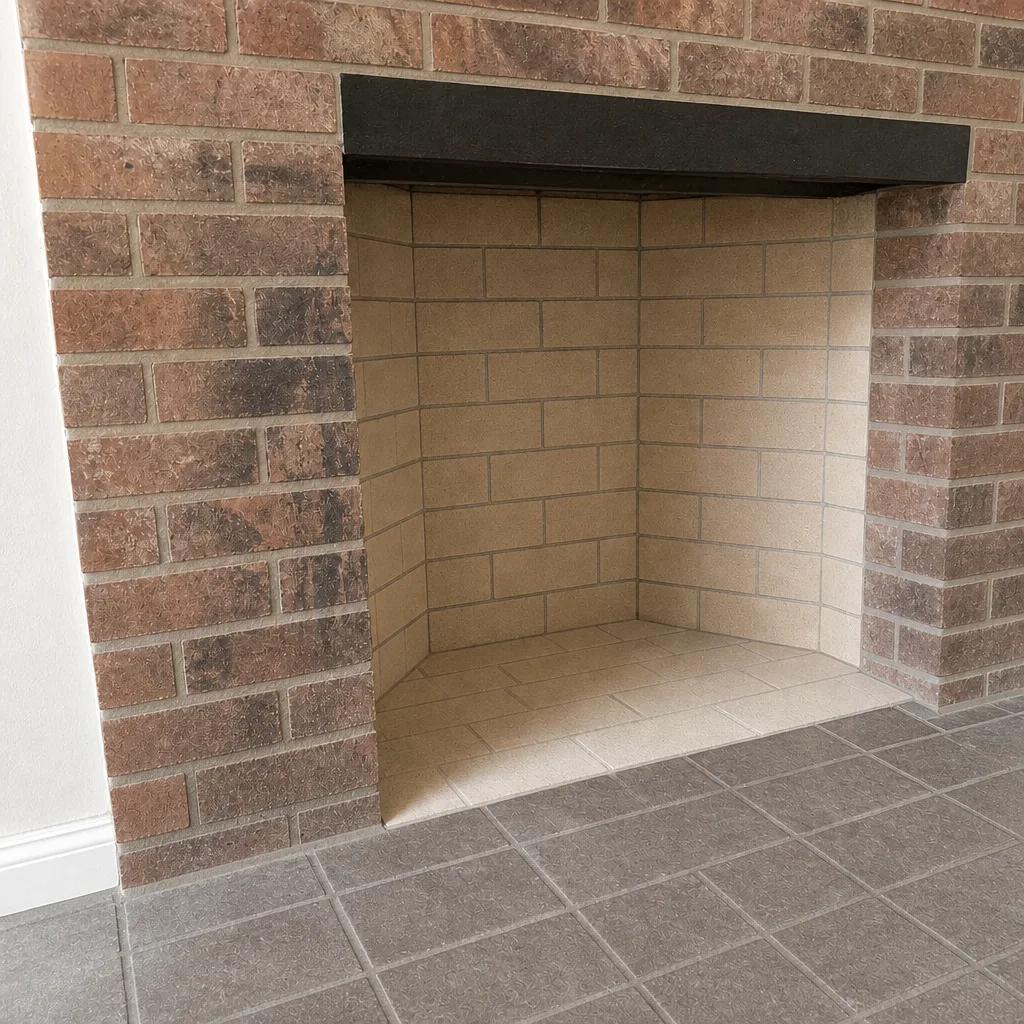
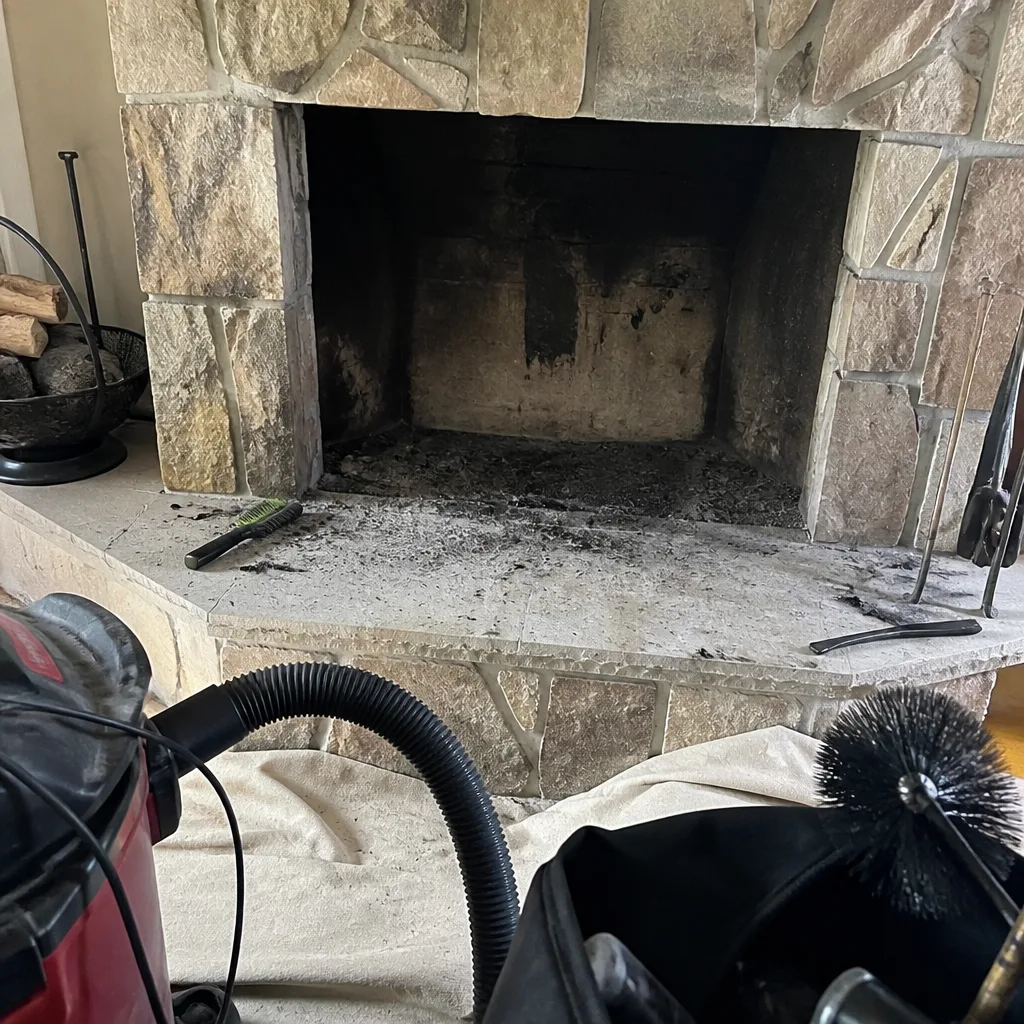
See the difference
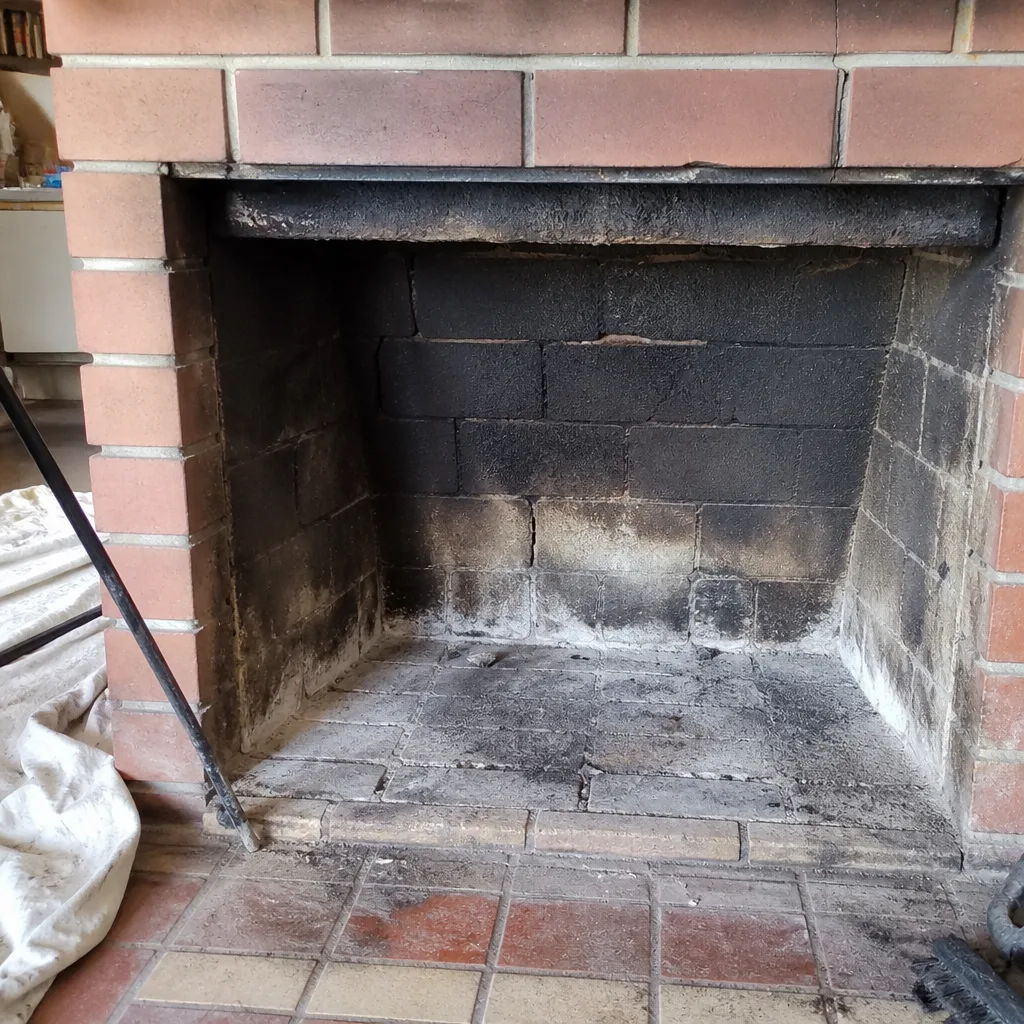 Before
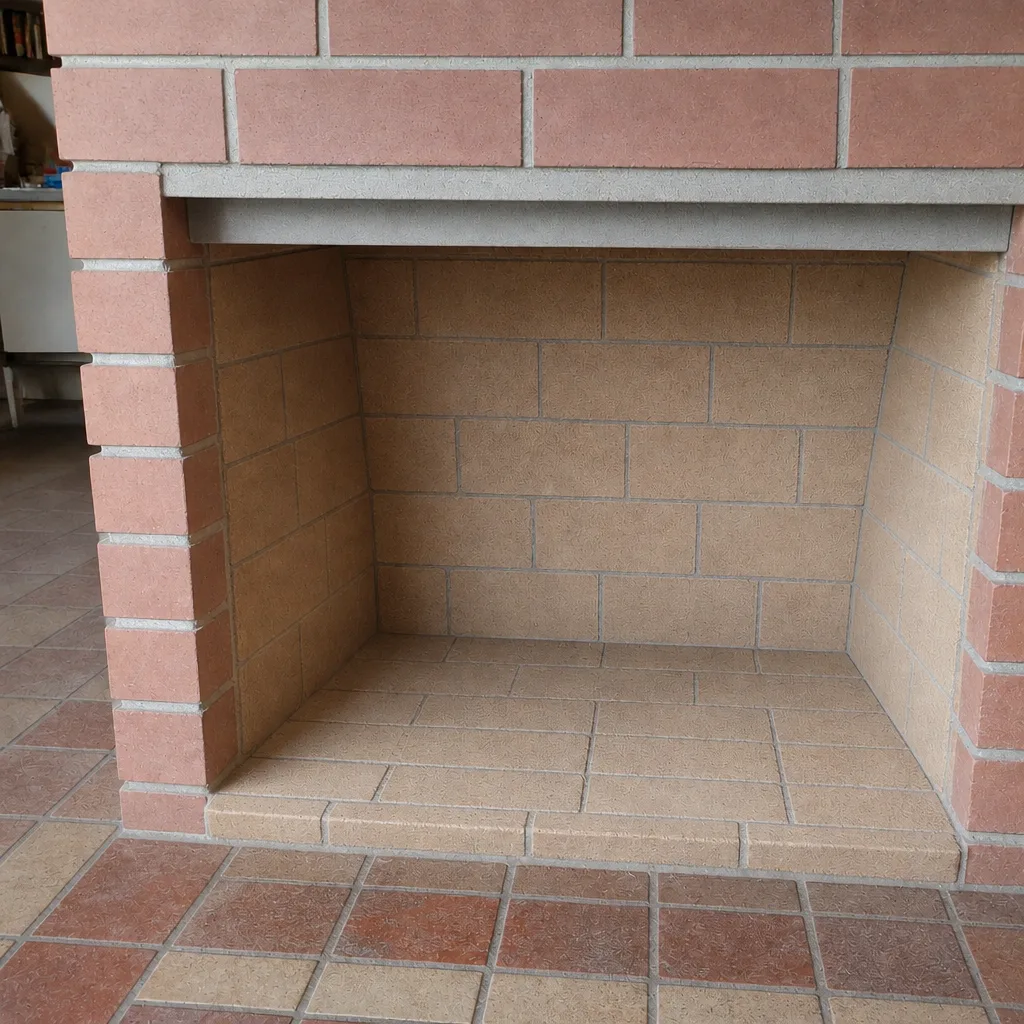 After
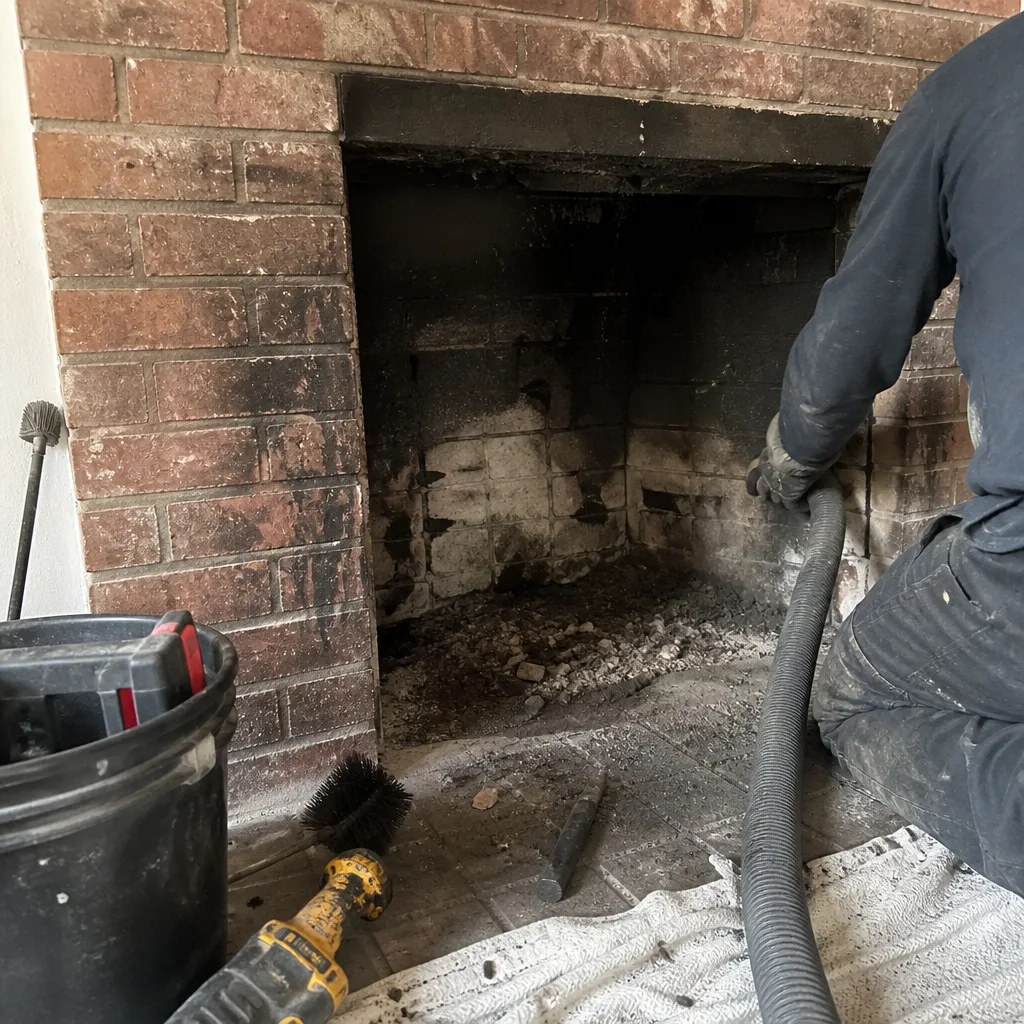 Before
 After
 Before
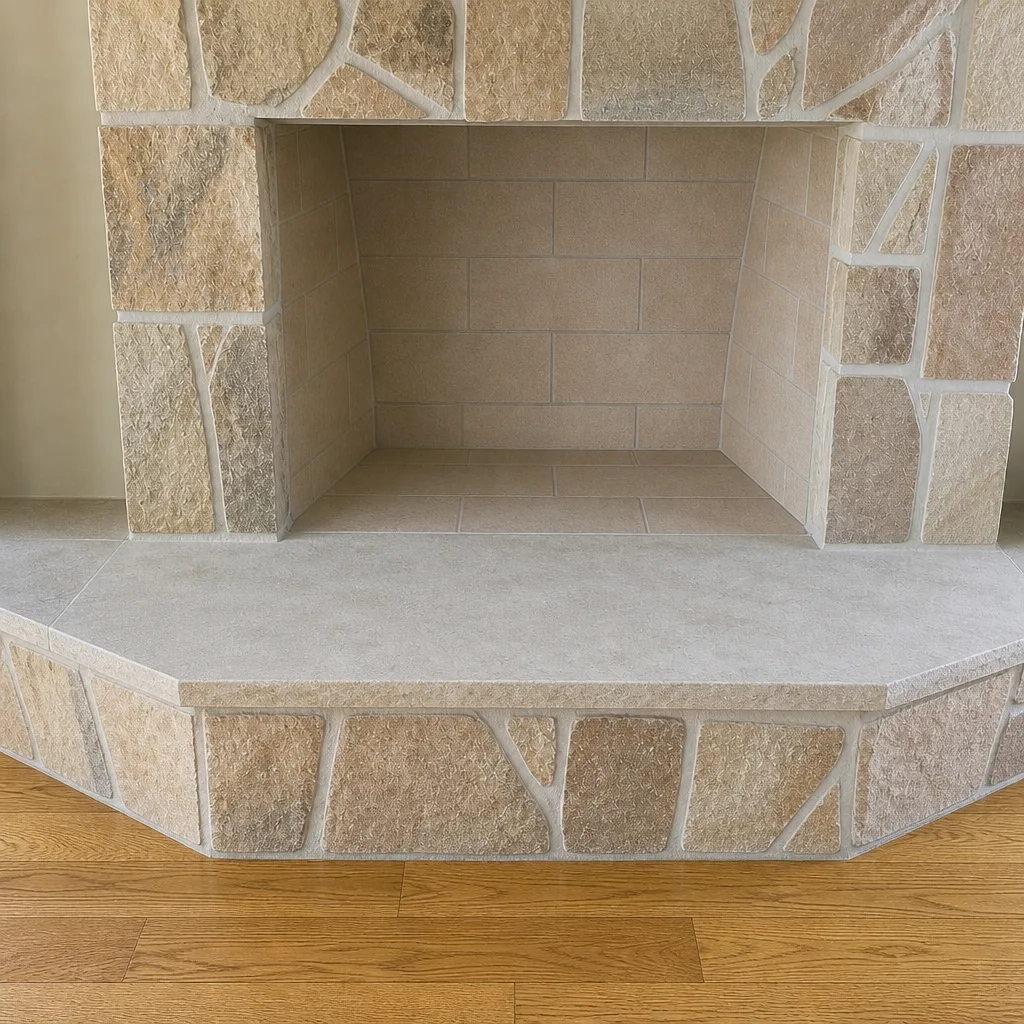 After