
Last updated November 15, 2026
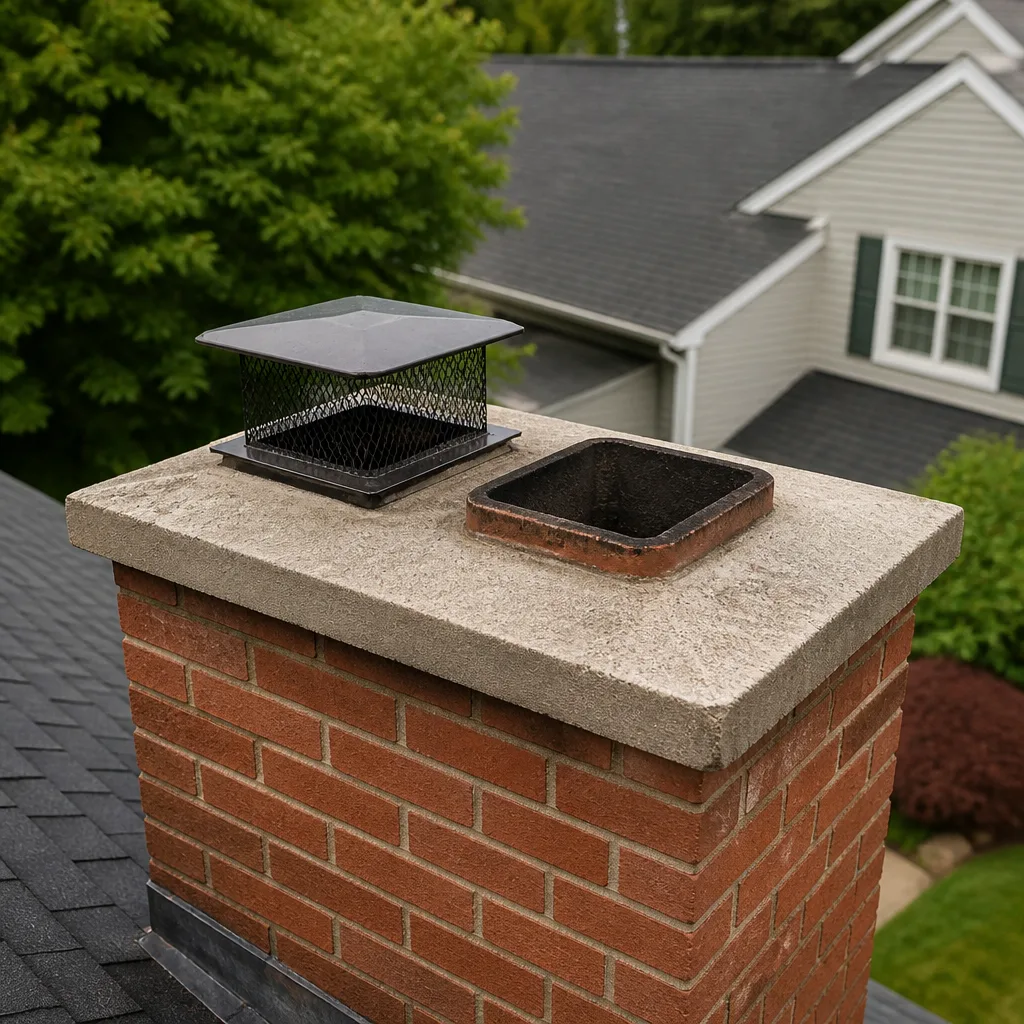 Sweep & inspection
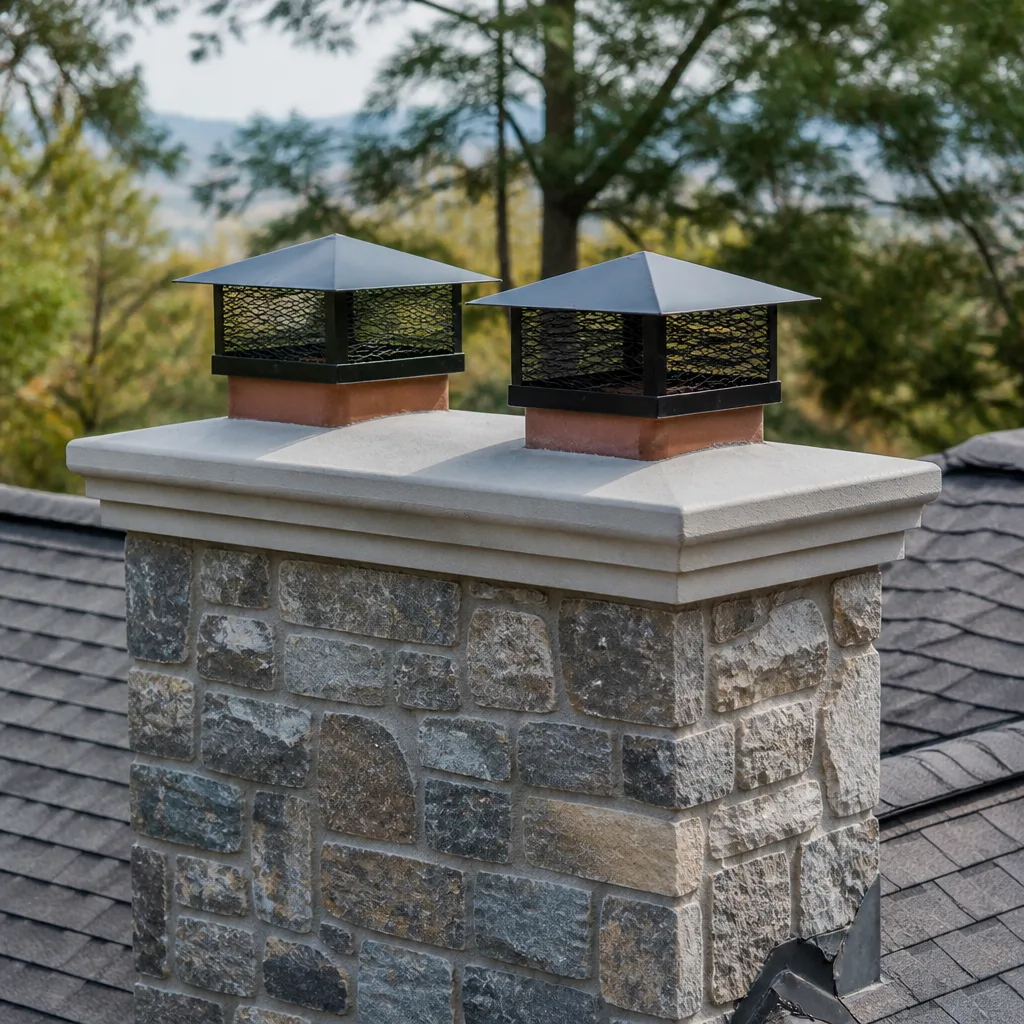 Caps & crowns
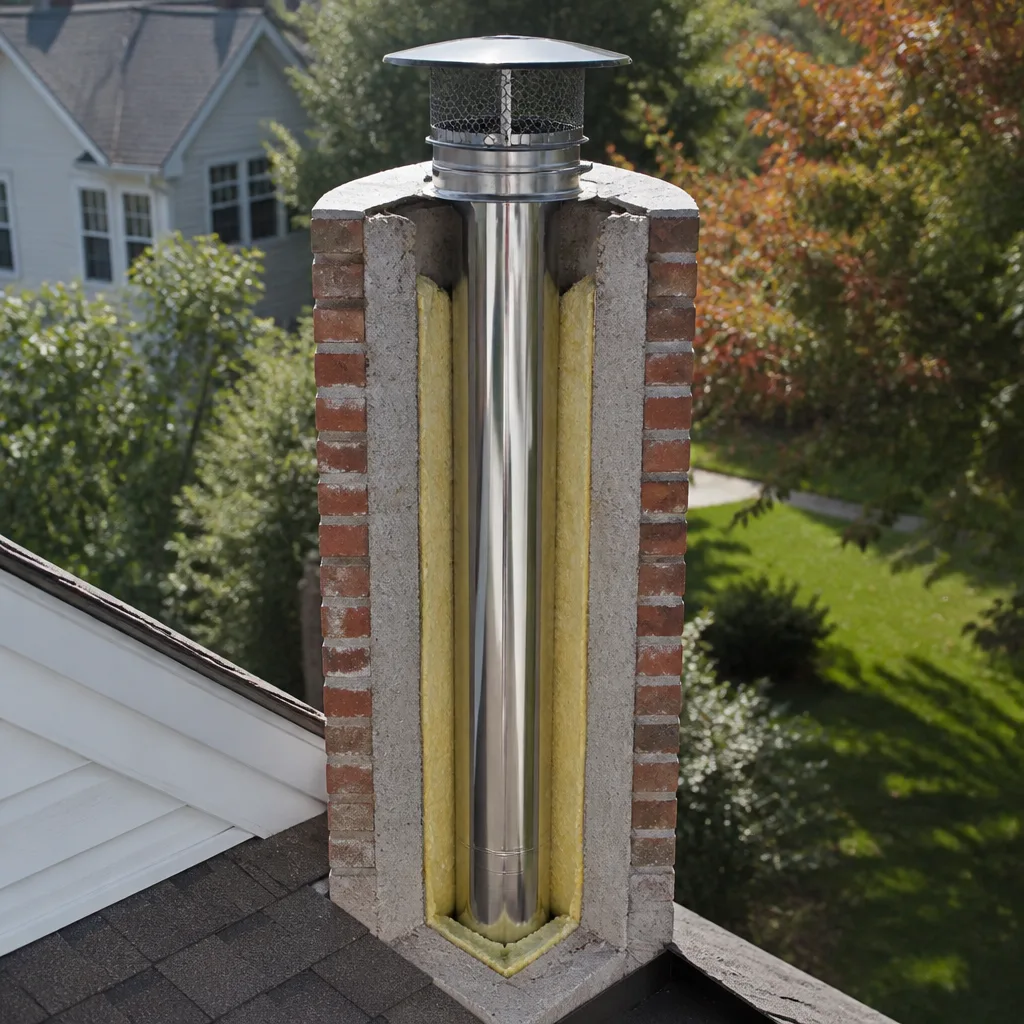 Flue relining
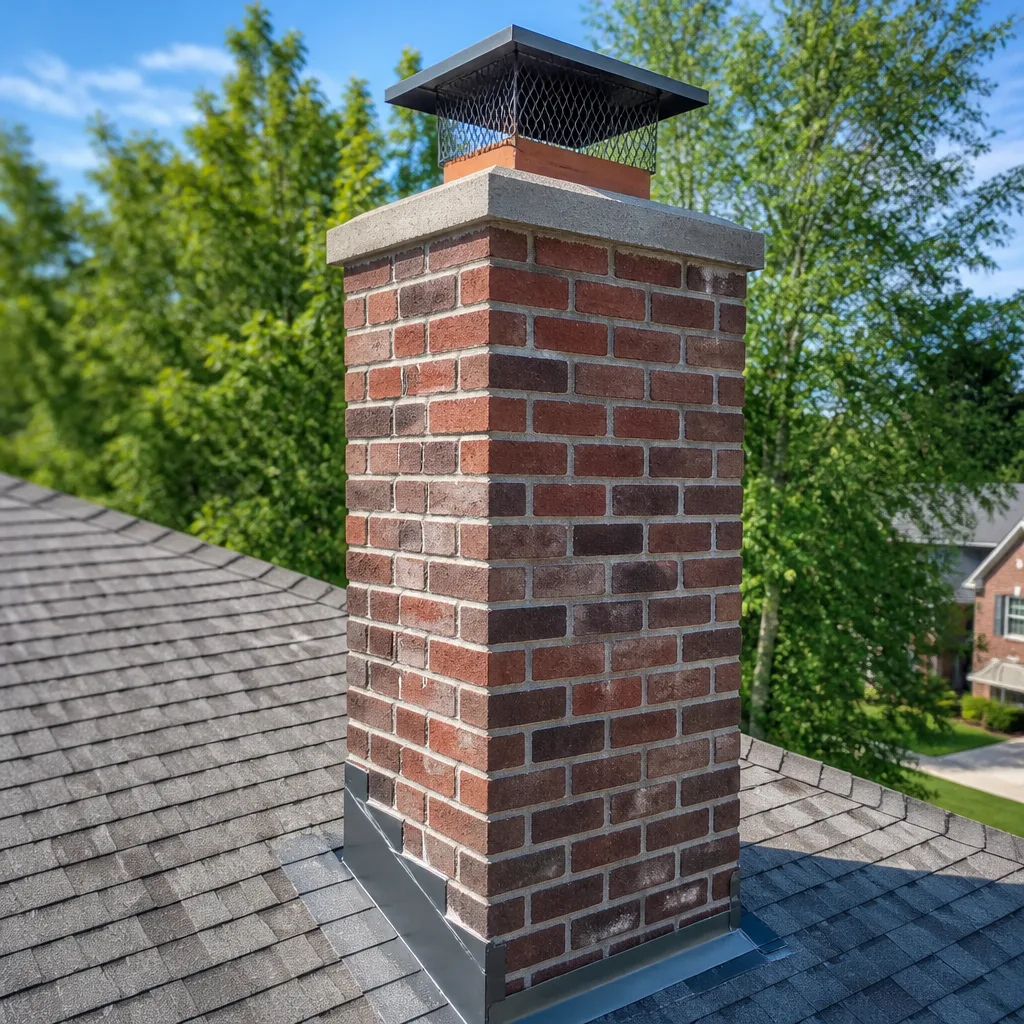 Masonry repair
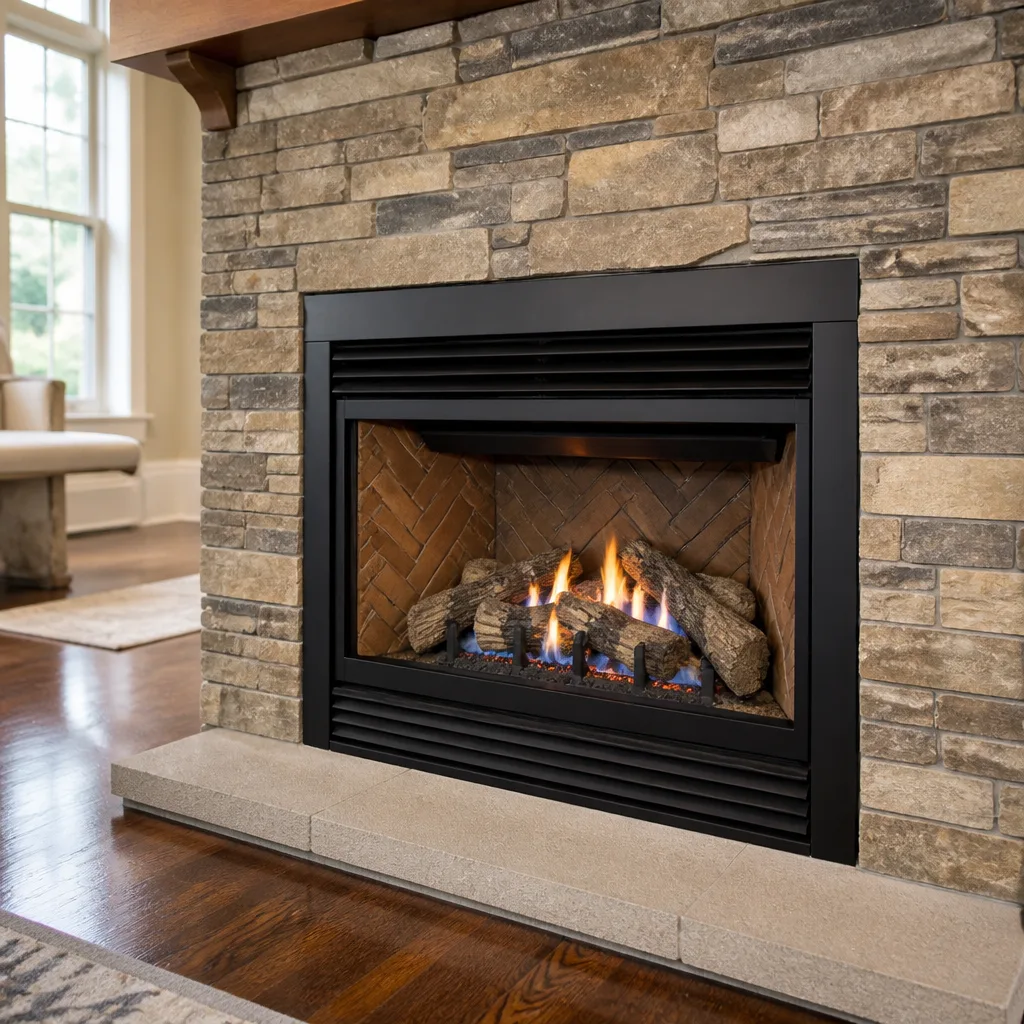 Gas fireplace service
Level 1 sweep and inspection to the NFPA 211 annual standard - flue, crown, cap, and flashing checked and photographed
Chimney sweep logs do not sweep chimneys. They loosen some creosote - which then falls where a brush and vacuum still have to collect it.
Chimney Sweep Maintenance Schedule: What to Do and When
Most chimney maintenance advice you’ll find online was written for a house that burns six months a year. Bakersfield doesn’t work like that. Our heating season is short and compressed, which means the calendar most sweep websites hand you – clean in late spring, inspect in summer, done – is a poor fit for how people here actually light a fire. We’ve seen chimneys that sit cold and quiet from March to November, then take on a season’s worth of use in twelve weeks. That pattern changes what to check, when to check it, and how much you can safely skip. This guide lays out a maintenance schedule built around Central Valley burn habits, not a generic national grid. You’ll get a month-by-month breakdown, the tasks you can handle yourself, and what deferred care really costs.
Quick Answer
In Bakersfield, the highest-leverage chimney inspection window is September, before the first fire of the season, because our burn year is compressed into roughly November through February. Have the flue swept when creosote reaches about an eighth of an inch, or once a year if you burn regularly, and inspect every fall regardless of how much you burned last winter. Gas logs still need an annual inspection even though they produce little creosote. Between professional visits, you can log a handful of your own checks – cap condition, ash level, damper seating – to stretch the interval safely.
Styles & brands we work with
- Sweep & inspection
- Caps & crowns
- Flue relining
- Masonry repair
- Gas fireplace service
Table of Contents
- Why Bakersfield’s Burn Season Breaks the Standard Schedule
- A Month-by-Month Chimney Schedule for Bakersfield
- Why September Is the Highest-Leverage Inspection Window
- How Fuel Type Changes Your Cleaning Frequency
- What You Can Check and Log Yourself
- What Needs a Professional, and When
- The Real Cost of Deferred Maintenance
- Common Mistakes to Avoid
Why Bakersfield’s Burn Season Breaks the Standard Schedule
Bakersfield averages only 46 heating degree days a year. Denver runs over 4,000. That single number explains why the maintenance calendar you copy from a national chimney site is wrong for this valley. Heating degree days measure how much and how hard a region has to heat its homes. With a number as low as Bakersfield’s, most homes here don’t run the furnace or the fireplace steadily for months. They run it in bursts, mostly in the cold mornings and evenings of a short winter.
What that means for your chimney is a concentrated workload. A Bakersfield homeowner who lights a fire most nights from Thanksgiving to Valentine’s Day packs a full season of burning into about twelve to fourteen weeks. Then the fireplace goes quiet for eight months. The chimney doesn’t wear evenly across the year. It accumulates creosote in a tight window, then sits.
That pause has a real effect. Creosote left on the flue wall through the hot, dry summer can harden and glaze. A light, brushable deposit in February can be a stubborn, tar-like layer by September. Waiting until the first cold snap to book a chimney sweep means you’re scheduling against the same surge everyone else is. We feel that crunch on our side of the phone every fall.
There’s also the local fuel mix. Kern County homes burn seasoned oak and almond wood, both common here, and a growing number run gas logs or gas inserts in older masonry fireplaces. Each source leaves the flue in a different state. A schedule built for hardwood-only households doesn’t fit a gas-log home, and vice versa. The rest of this guide sorts that out. It starts with a schedule calibrated to how Bakersfield actually lives.
A Month-by-Month Chimney Schedule for Bakersfield
Here’s the compressed-season schedule we recommend for most homes in Bakersfield. It front-loads inspection into the warm months so the cold months are just burning, not scrambling. Adjust the burn months slightly if you light your first fire earlier or later than most.
- September – pre-season inspection. Book a professional chimney inspection before the first fire. This is the single most important item on the calendar. It catches cracked flue tiles, a loose cap, or a bird nest before it becomes a winter problem.
- October – sweep if needed, and repair. If the September inspection showed creosote buildup or a structural issue, sweep and schedule any chimney repair now, while the weather is still warm and the work can be done without rushing.
- November through February – burn season. This is your active window. Log your own ash level and cap checks (details below). Keep an eye out for smoke rolling back into the room or a damper that won’t seat.
- March – end-of-season check. Once the last fire is out, take a look up the flue and at the firebox. Note anything that changed over the winter – a new crack, more ash than usual, a smell. This is the ideal time to sweep because the deposit is still fresh and easy to remove.
- April through August – maintenance window. This is when structural repairs, liner work, and any masonry fixes are easiest to schedule. There’s no fire in the box, no creosote load to work around, and no weather risk from a sudden cold snap.
Notice that the schedule doesn’t tell you to sweep every month. It tells you to inspect once, in September, and sweep only when the inspection says it’s needed. That’s the difference between a schedule that respects how much you actually burn and one written for a colder climate. If you want the full picture of what a sweep involves, our Harvest Chimney Sweep page covers the basics, but the timing here is what matters most.
Why September Is the Highest-Leverage Inspection Window
September is the most valuable appointment you’ll book all year in Bakersfield. Here’s why. By September, the creosote from last season has fully formed and any summer settling has happened. But you haven’t yet lit the first fire. That means an inspection done in September sees the chimney exactly as it will be when you first use it, with no new deposits on top of old ones and no risk of an undetected problem burning its way into the flue.
It also gives you a buffer. If the inspection finds something – a hairline crack in a flue tile, a cap that loosened over the summer wind, a damper that no longer seals – you have weeks to get it fixed before you need heat. Contrast that with calling in November. Now you’re competing for a slot during the busiest stretch of the year, and you may be forced to choose between waiting and burning with a known problem.
What a proper inspection covers:
- The flue interior. Creosote level, flue tile condition, and any gaps or offsets. A camera inspection sees what a visual pass from the damper can’t.
- The firebox and damper. Cracks in the firebox brick, the damper’s seal, and the smoke shelf above it.
- The cap and crown. Whether the cap is intact and seated, and whether the crown – the concrete top of the chimney – is shedding water properly.
- The exterior. Mortar joints, flashing at the roofline, and any signs of water intrusion.
For a gas-log or gas-insert home, September inspection also checks the venting and confirms the appliance is venting properly. Gas produces far less creosote but its own set of concerns around the vent and the connection. Because we sweep, inspect, and repair in one visit, a September finding can be quoted and scheduled the same day rather than handed off. That’s the practical value of a single company covering all three services. We find the problem and we fix it, on your schedule, before the first cold morning.
How Fuel Type Changes Your Cleaning Frequency
The single biggest variable in your cleaning schedule isn’t your chimney. It’s what you burn. A hardwood fire and a gas flame leave completely different deposits, and the frequency of sweeping should follow.
Seasoned oak and almond wood
Dry, well-seasoned hardwood is the cleanest solid fuel you can burn. Properly seasoned oak (split and dried so the moisture content is low) produces less creosote than green wood or softwood. Almond wood burns hot and is common across Kern County orchards; it’s a solid choice when dry. For a household burning seasoned hardwood most nights through the season, an annual sweep and inspection is the right cadence. If you only burn on weekends, you can often go longer, but the annual fall inspection still applies.
Unseasoned or mixed wood
Green or wet wood is the culprit behind most heavy creosote. It burns cooler and smolders, which sends more unburned material up the flue where it condenses. If your wood supply isn’t reliably dry, plan on inspecting the flue more than once a season and sweeping sooner. A quick internal check with a camera tells you whether you’re building an eighth of an inch of creosote faster than expected.
Gas logs and gas inserts
Gas burns clean compared to wood, so you won’t see the creosote load. But gas appliances and their venting still need an annual inspection. The concerns shift to the vent, the connection, and the condition of the logs and embers. Don’t skip the yearly visit just because there’s no ash to clean. A gas log set still draws on a schedule.
Pellets
Pellet stoves burn efficiently and produce less creosote than wood, but they still create ash and still need a yearly cleaning and inspection of the venting. The schedule bends but doesn’t disappear.
Whichever fuel you use, the rule stays simple: let the inspection set the sweep, not a fixed calendar. The fuel just tells you how often to look.
What You Can Check and Log Yourself
You don’t need to climb a roof or reach up the flue to stay ahead of your chimney. A handful of simple, safe checks between professional visits can catch small issues before they grow and can tell you when it’s time to call. Keep a simple log so you can hand it to your technician at the next visit.
- After any strong wind event, look at the cap. From the ground, confirm the chimney cap is still seated and intact. A Bakersfield wind can dislodge a loose cap or blow debris onto the screen. If it’s visibly off or the screen is torn, note it and call for a check.
- Monitor your ash level. Keep the ash bed in the firebox to a reasonable depth and scoop it out as it builds. A too-deep ash bed can hide a crack in the firebox floor and can make the fire harder to manage. Logging when you clean it out gives your technician a sense of your burn volume.
- Test the damper seating. Open and close the damper a few times at the start of the season. It should move freely and seat cleanly. If it sticks, won’t fully close, or doesn’t seal, that’s a call. Don’t force it.
- Watch for smoke rollback. If smoke curls back into the room when you light a fire, something is wrong with the draft – a blocked flue, a closed or leaking damper, or a partially blocked cap. Note the condition and stop burning until it’s checked.
- Look for water stains or rust. On the firebox or near the damper, water stains or rust point to a leak at the cap or crown. Log it and get it inspected before the next season.
These checks extend your safe service intervals and give your technician real information to work with. They do not replace the annual inspection. What they do is tell you when a problem has started early, so you’re calling on your terms rather than waking up to a cold house one morning in December.
What Needs a Professional, and When
Some of the schedule simply has to be done by a trained technician. We want to be clear about which tasks those are, and why doing them yourself isn’t worth the risk.
Goes on the professional list:
- Sweeping the flue. Proper sweeping means the full flue section, top to bottom, with the right brush for the flue type. Skipping a section leaves creosote behind.
- Inspecting the flue interior. A camera inspection shows the condition of the flue tiles and is the only reliable way to spot cracks and gaps.
- Liner work. A deteriorating flue liner is a structural and safety issue. Restoring a qualifying system with a heat-cured seal or installing a new liner is skilled work. Our technicians use professional-grade materials from brands like Gelco, Olympia Chimney, Famco, and Copperfield because the component matters as much as the install. We’re HeatShield-qualified for liner restoration and can install DuraFlex liners where a full reline is needed.
- Masonry and crown repairs. Cracks in the crown, spalling brick, and failing mortar joints need proper materials and technique to last.
- Gas appliance and venting checks. Anything involving a gas connection or vent should be handled by a trained professional.
There’s a safety reason this matters. Creosote is flammable, and a flue full of it is a fire risk. A cracked flue liner can let heat and gases escape, and carbon monoxide is a genuine hazard. We don’t hand out step-by-step instructions for cleaning a flue or working inside a firebox, because a wrong move up there can hurt you or damage the system worse than it was. A trained professional sees the whole system and knows how it should look. That’s why we recommend having the inspection done in September and the sweep or repair done only when the inspection calls for it.
The Real Cost of Deferred Maintenance
Skipping a season or two feels free. It isn’t. The cost just arrives later and usually all at once.
Think about how one problem leads to the next. Heavy creosote in an unswept flue is a fire risk, but it also causes the flue to run hotter than it should, which stresses the liner. A liner that cracks from heat or age lets moisture and gases escape into the masonry. Moisture in the masonry, over time, spalls the brick and breaks down the mortar. What started as a missed sweep becomes a structural masonry job. In a valley with hot, dry summers and a short wet season, the summer months are when a small leak at the crown does its quiet damage.
Over five years, the pattern is consistent. A homeowner who stays on the schedule spends for inspection, sweep, and the occasional small repair, and avoids the big ones. A homeowner who defers often finds a single visit that combines a sweep, a liner job, and masonry work – a much larger number spread across the same five years but landing in one uncomfortable season.
We can’t quote a firm figure here because every chimney is different and the written estimate sets the final price. What we can say is this: the difference between the two paths is rarely the cleaning. It’s the repair that the cleaning would have prevented. The September inspection is cheap by comparison because it finds the problem while it’s still small. Call (833) 605-6632 for a free estimate and get a written record of where your system stands before you light the first fire.
Common Mistakes to Avoid
- Treating the national schedule as gospel. A calendar built for a six-month winter overstates your needs and distracts from the real window. Bakersfield’s compressed season rewards a September inspection more than a late-spring sweep.
- Skipping the inspection because the flue looks clean from the damper. Creosote and cracks hide above the smoke shelf where you can’t see. The camera inspection is the only reliable look, and it’s the whole point of the September visit.
- Burning unseasoned wood to save a few dollars. Wet wood burns cooler and builds creosote faster, which costs you more at the next sweep. The savings on the wood are real, but the deposit it leaves is too.
- Assuming gas means no maintenance. A gas log set still needs an annual inspection of the vent and connection. The creosote load is lower; the need for a yearly look is not.
- Putting off a small crown crack or loose cap. Those are the leaks that let water into the masonry over the summer. Fixing them in the maintenance window is far cheaper than the masonry work they cause.
- Waiting for the first cold snap to call. That’s the busiest week of the year across the valley. Booking in September means you get the slot and the buffer.
- Burning a fire after smoke rolls back into the room. Smoke rollback points to a blocked or leaking flue. Stop, note the condition, and get it checked before you burn again.
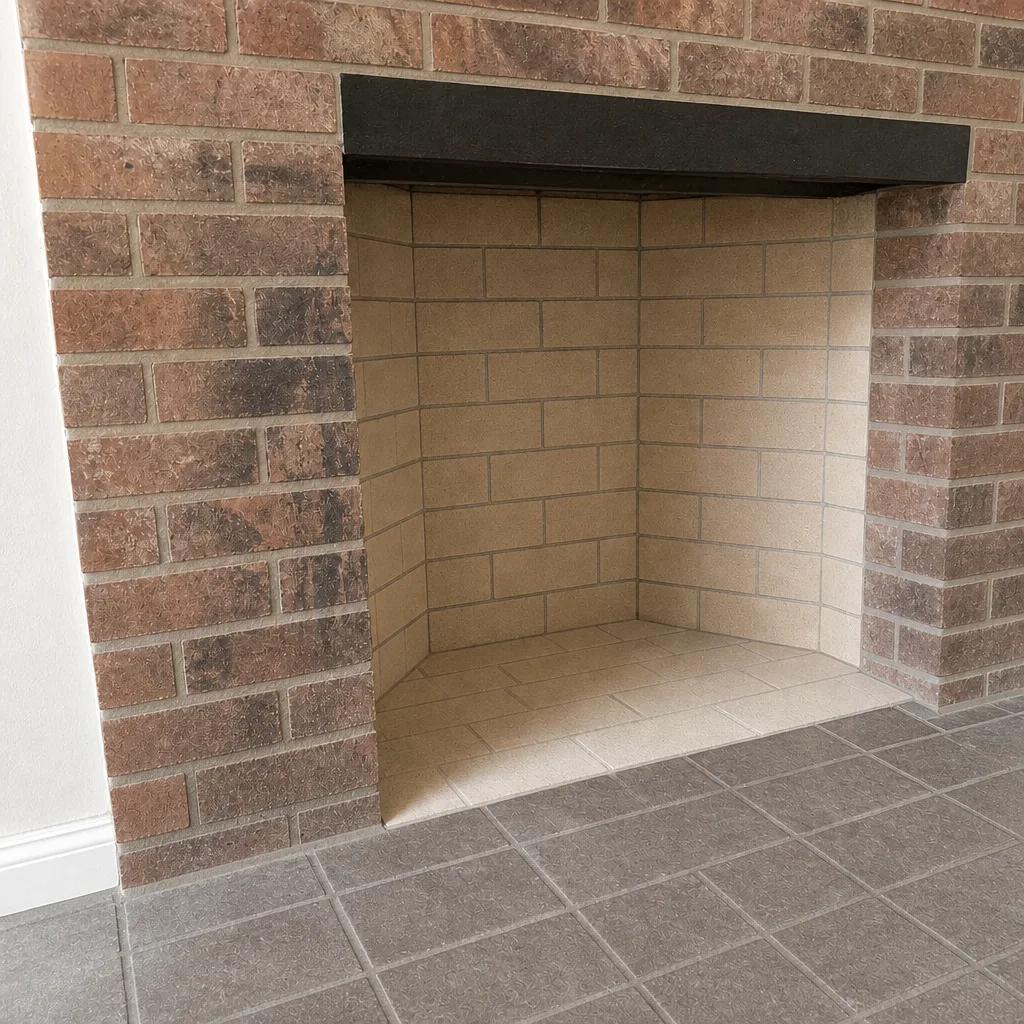
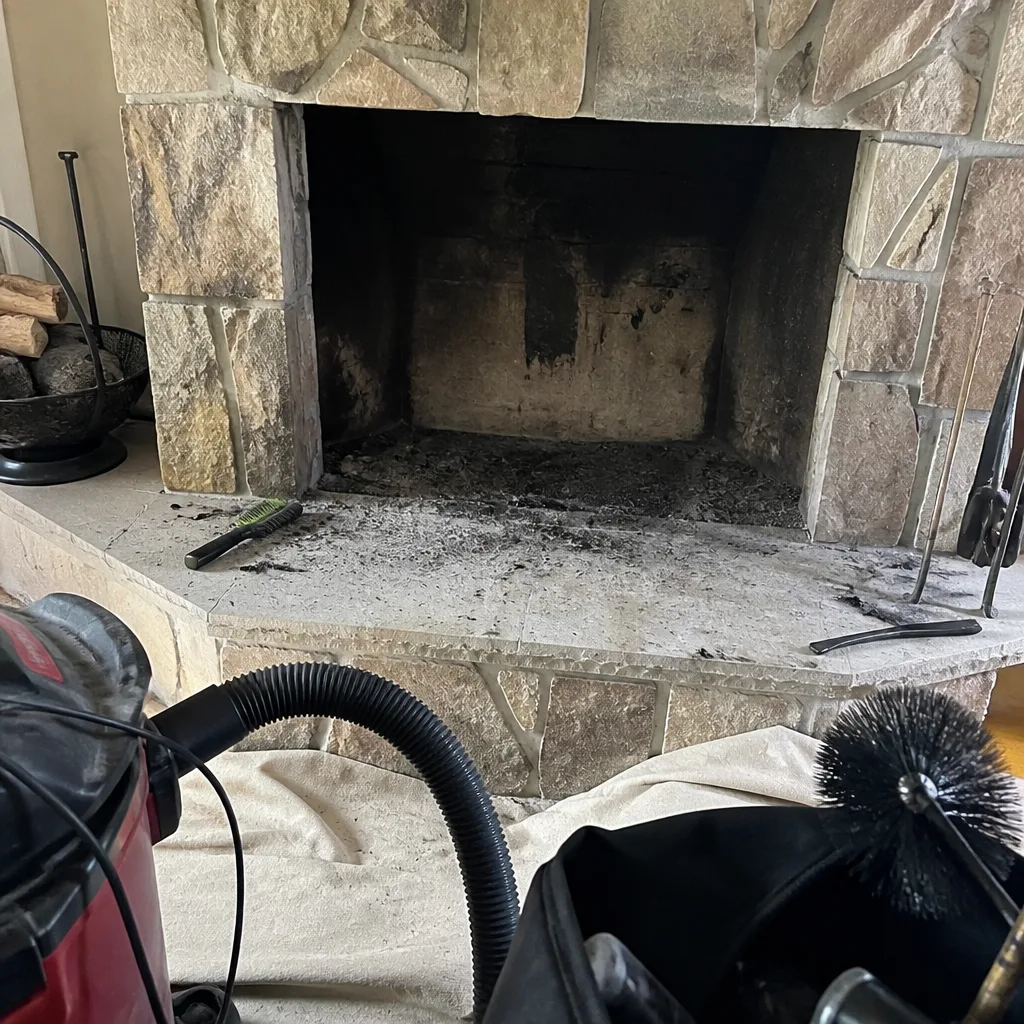
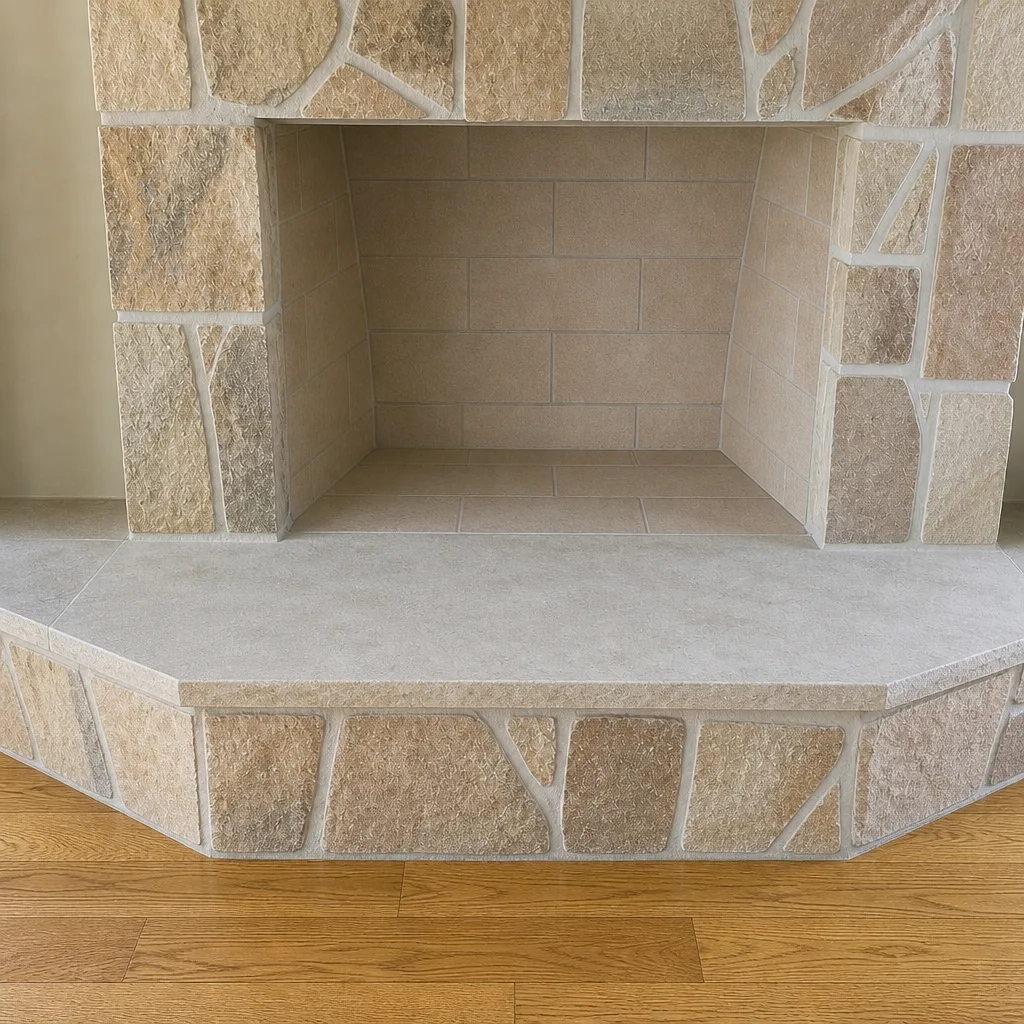
See the difference
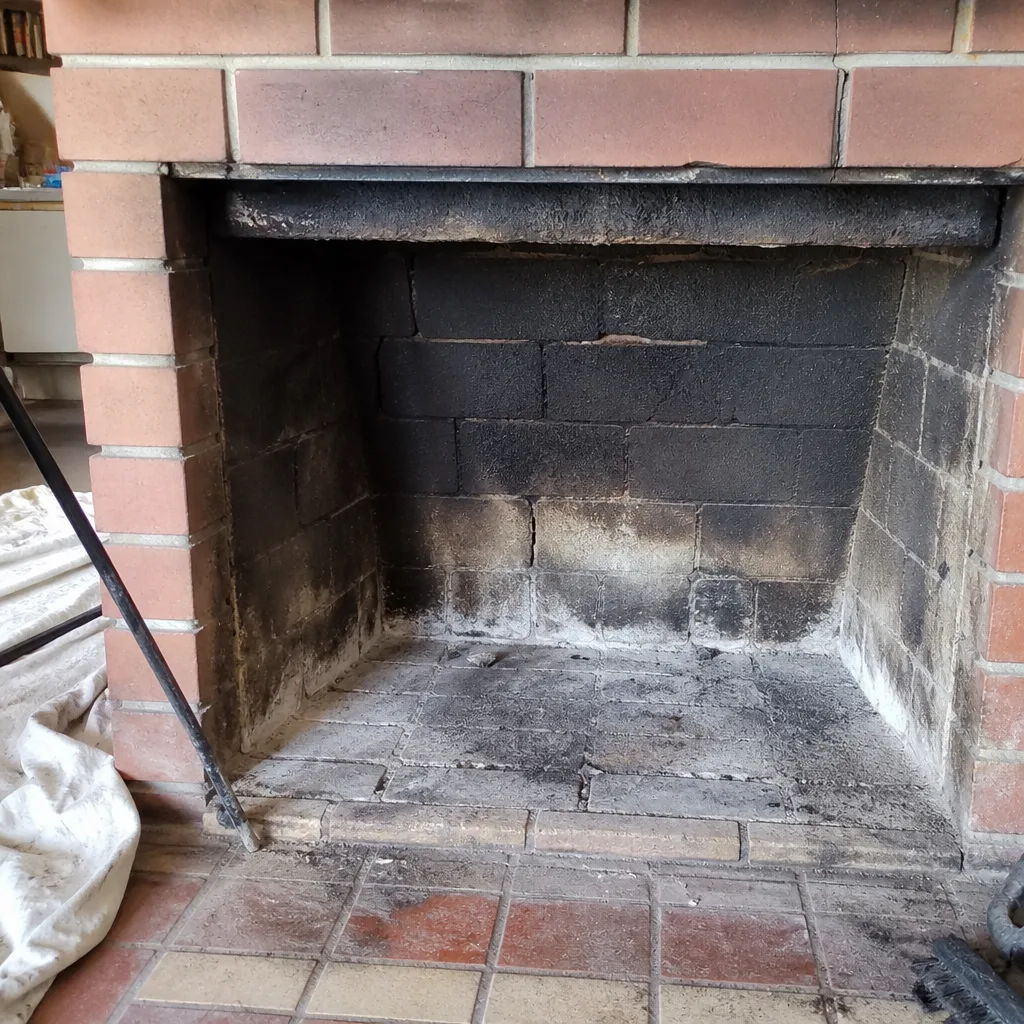 Before
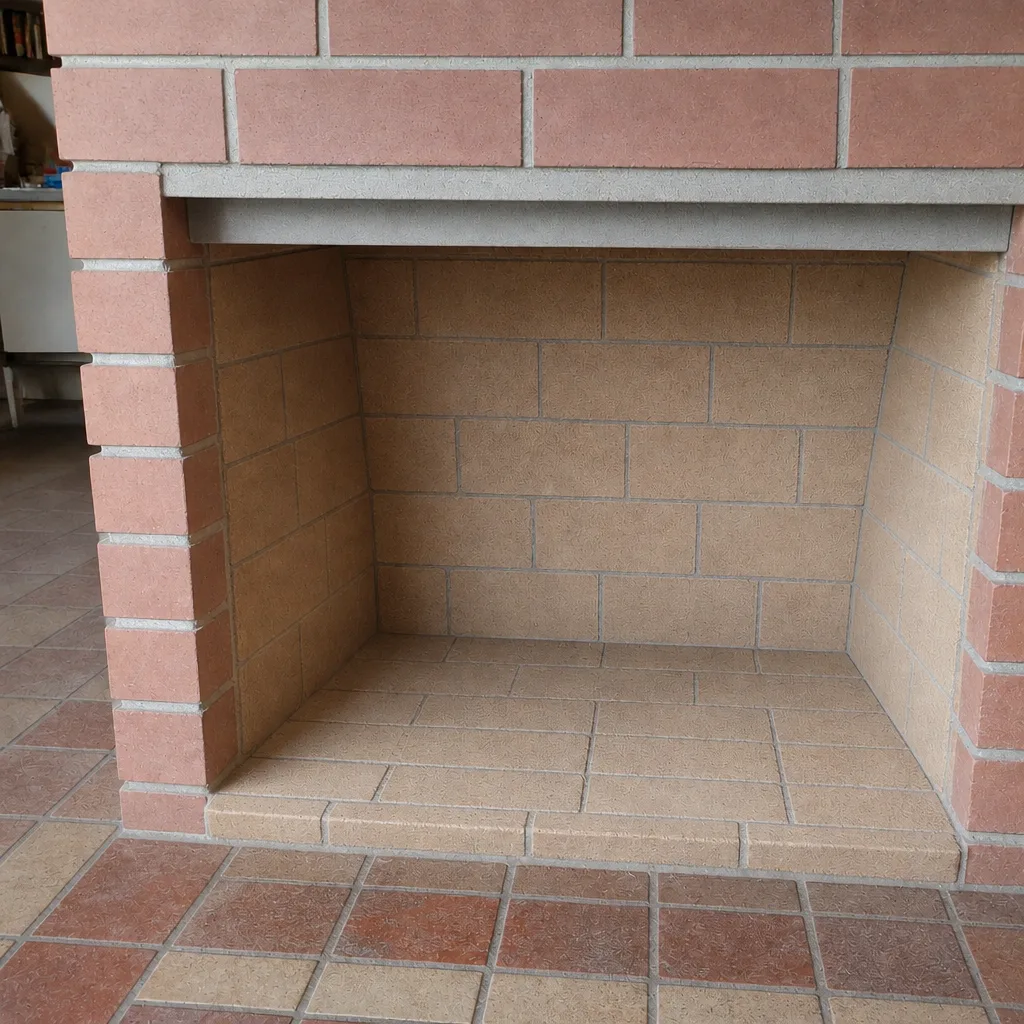 After
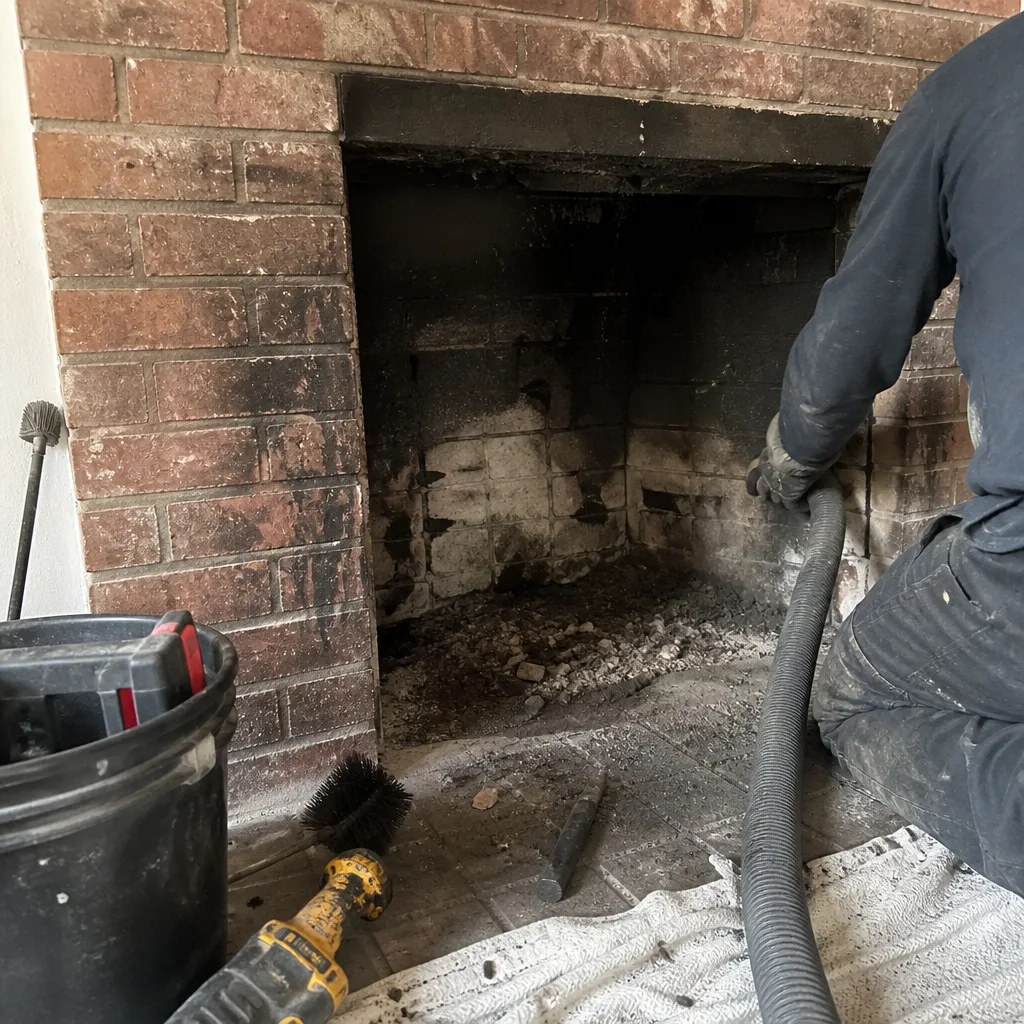 Before
 After
 Before
 After
When to Call a Professional
Call for a professional inspection if you haven’t had one this year, even if you barely burned last winter. Call sooner if you notice smoke rolling back into the room, a damper that won’t seal, water stains or rust near the firebox, a cap that’s loose or damaged after a wind event, or a firebox crack you can see. Any of those is a signal not to wait for your regular appointment. If you’re unsure whether you need a sweep or a repair, a single inspection answers it; we sweep, inspect, and repair under one roof, so there’s no handoff and no second call. Harvest Chimney Sweep offers free estimates in Bakersfield – call (833) 605-6632. We answer 24/7. Fast dispatch from 7am to 7pm, Sunday through Friday.
Frequently Asked Questions
Once a year if you burn regularly, and always when creosote reaches about an eighth of an inch. Because Bakersfield’s burn season is compressed into roughly November through February, most homeowners do best with one sweep and one inspection, timed around the end of the season or before the next. Let the inspection decide whether the sweep is needed. Call (833) 605-6632 for a free estimate.
It isn’t wrong so much as badly timed. The quantity of cleaning you need may be lower than national advice suggests if you burn lightly, but the timing matters more here. The recommendation to inspect in September rather than late spring fits how the valley actually heats its homes. Call us to talk through your specific burn pattern.
No, but they still need an annual inspection. Gas produces far less creosote, so the fire-risk profile is different, but the venting, the connection, and the condition of the log set all need a yearly look. Don’t skip the inspection just because there’s no ash to sweep.
Small problems compound. Creosote builds and hardens, a liner crack goes unnoticed, a crown crack lets water into the masonry through the summer. The bill that arrives is usually larger and arrives all at once. The inspection is what keeps you ahead of that curve. Call (833) 605-6632 for a free estimate and a written record of your system.
We don’t recommend doing the flue sweep yourself. Working inside the firebox and up the flue involves tools and heights where a wrong move can cause injury or damage the liner, and the sweep has to cover the full flue to be complete. What you can safely do yourself is the light checks – cap, ash level, damper, smoke rollback – covered earlier in this guide.
Book your inspection for September or early October. That’s before the first fire of the season and after the summer settling, and it gives you time to schedule any repair before you need heat. Calling after the first cold snap usually means waiting. Call (833) 605-6632. We answer 24/7. Fast dispatch from 7am to 7pm, Sunday through Friday.
The Bottom Line
The right chimney schedule for Bakersfield isn’t a copy of the national grid. It’s a September inspection, a sweep only when the flue calls for it, a maintenance window in the warm months for any repair, and the light checks you can safely do in between. Gas, seasoned oak, almond wood, and pellets each bend the frequency a little, but the shape of the year stays the same. Staying on that schedule keeps small problems small and keeps the big ones from arriving in one expensive season. Our technicians have up to 9 years of experience, use professional-grade materials, and handle sweeping, inspection, and repair as one service – so nothing is left for next season. Call (833) 605-6632 for a free estimate.
Written by the team at Harvest Chimney Sweep.