
Last updated November 15, 2026
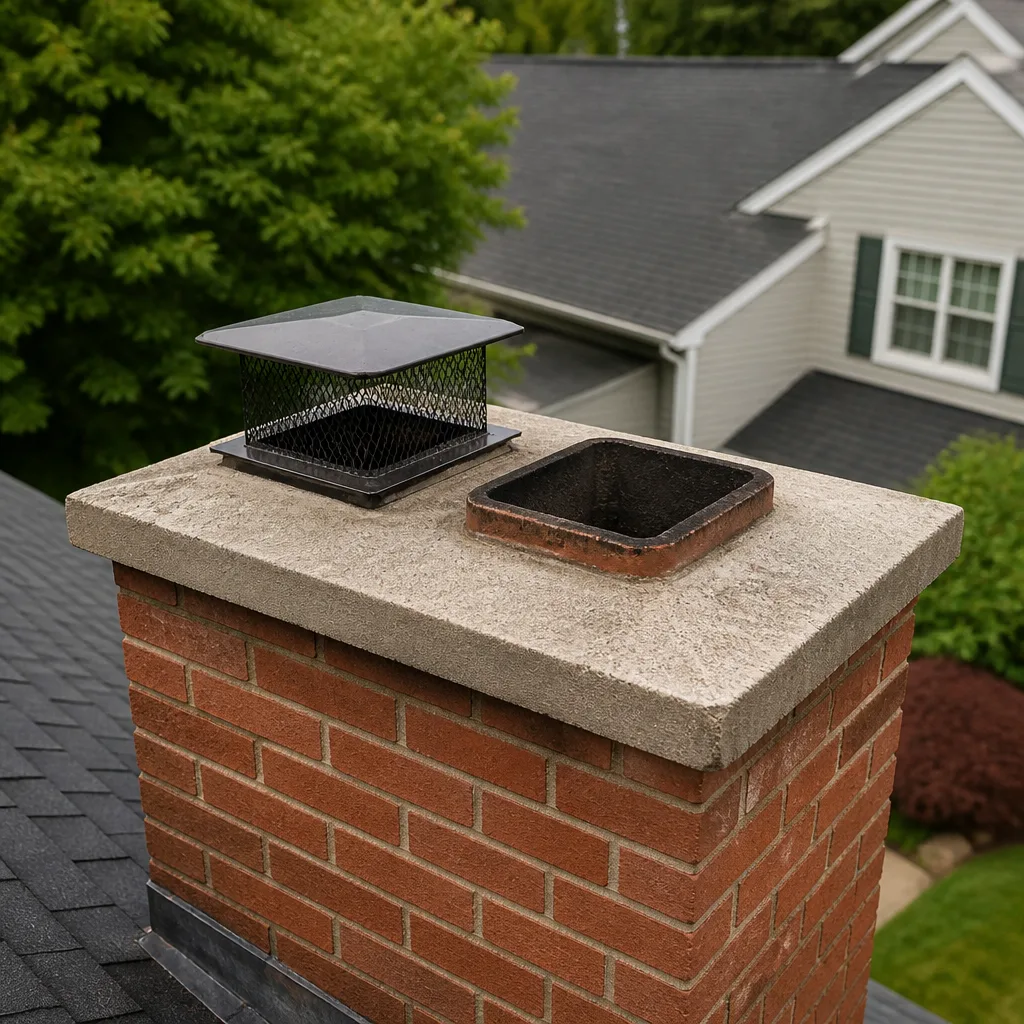 Sweep & inspection
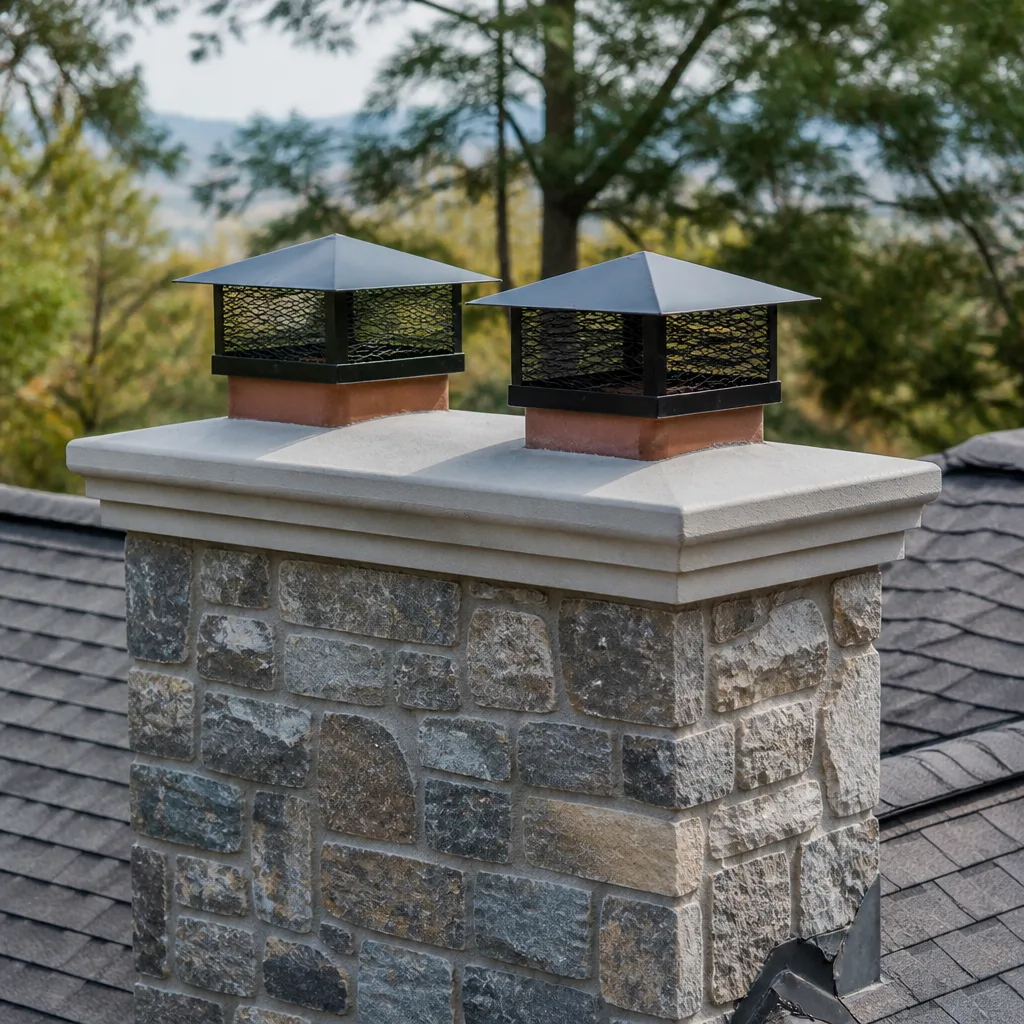 Caps & crowns
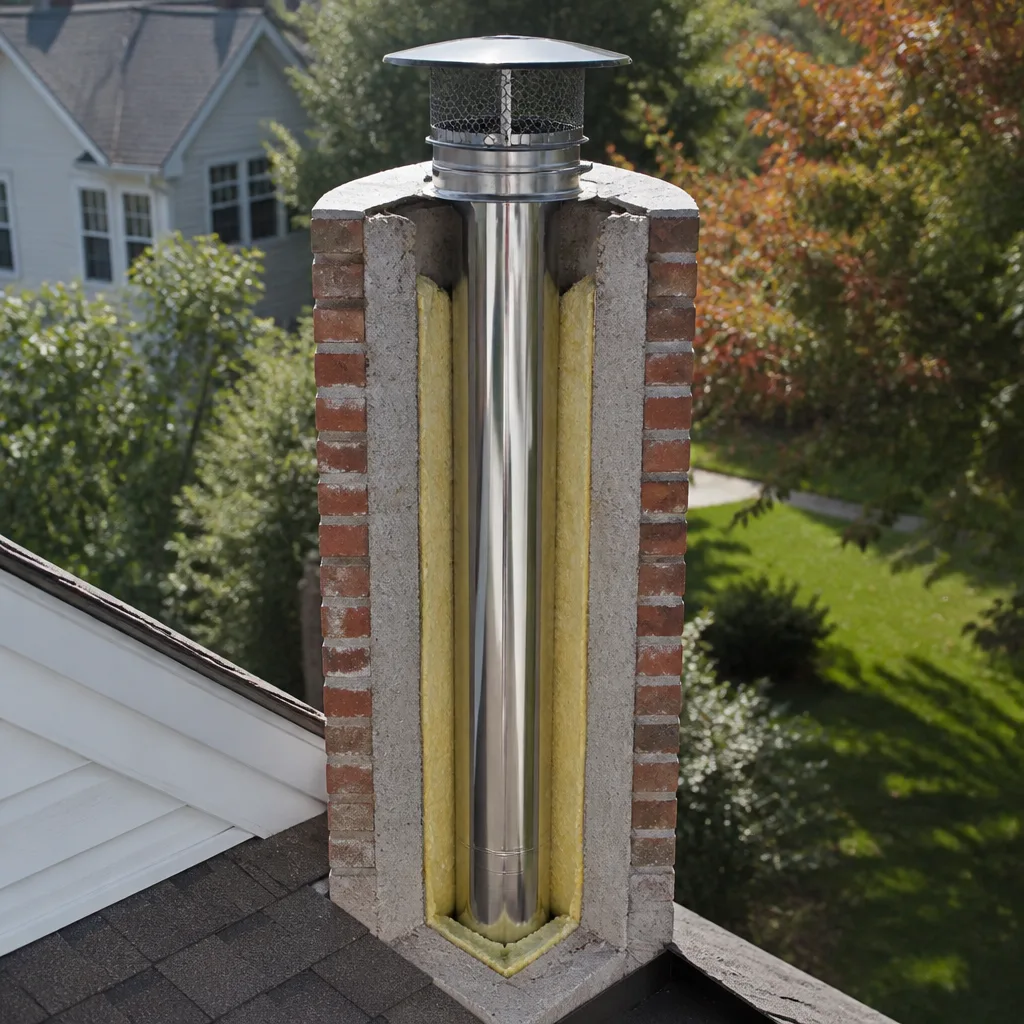 Flue relining
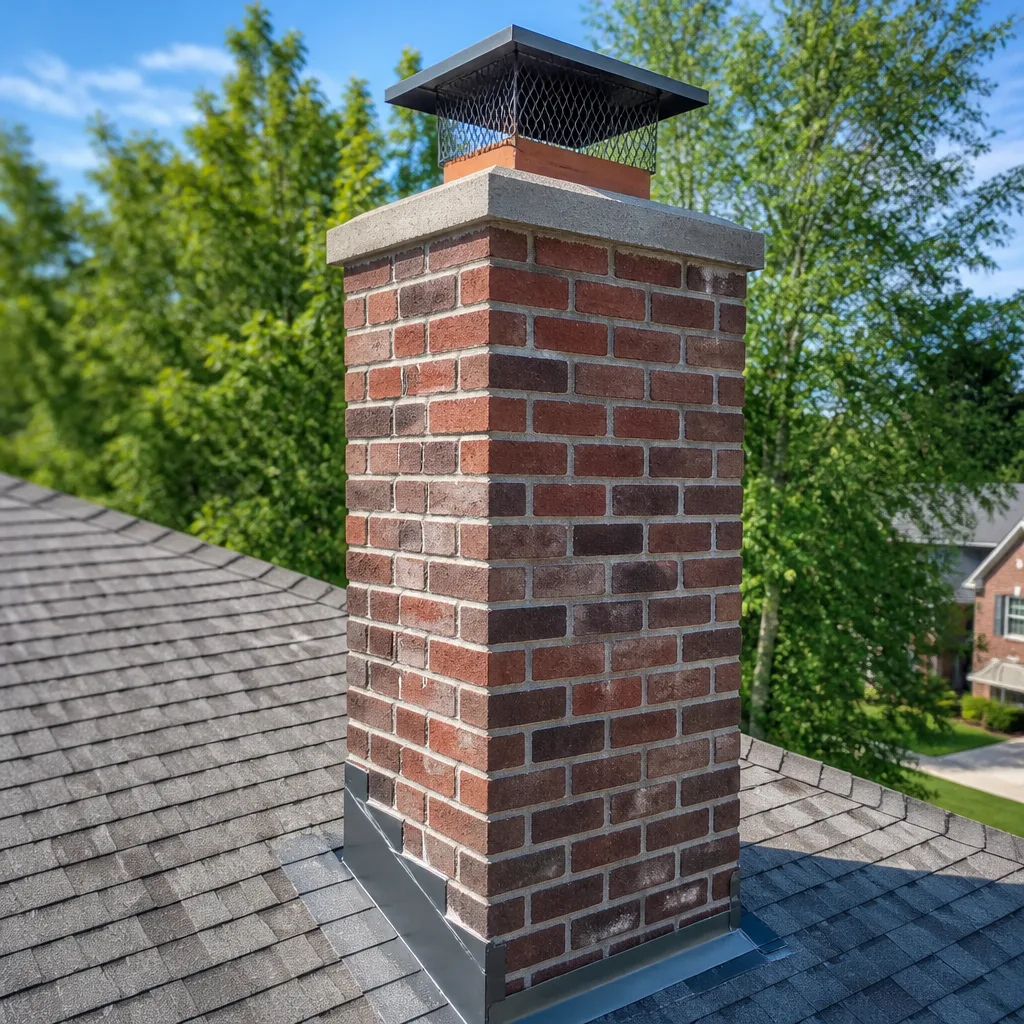 Masonry repair
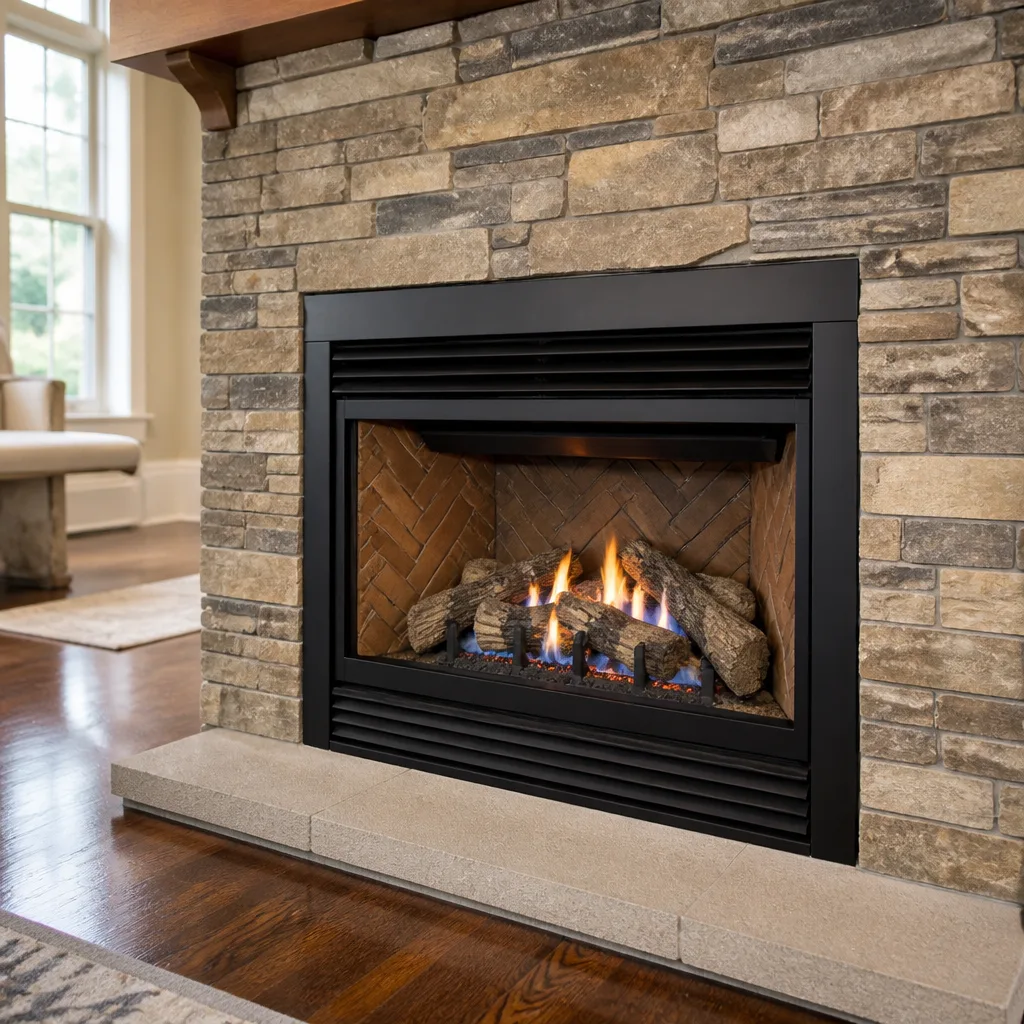 Gas fireplace service
Level 1 sweep and inspection to the NFPA 211 annual standard - flue, crown, cap, and flashing checked and photographed
Chimney sweep logs do not sweep chimneys. They loosen some creosote - which then falls where a brush and vacuum still have to collect it.
The Complete Guide to Chimney Cleaning in Bakersfield
Most Bakersfield homeowners light their fireplace fewer than 20 nights a year. You’d think that low number would mean a healthy chimney, but the opposite is often true. A chimney that sits idle through Bakersfield’s long, hot summers becomes a nesting site for birds and insects, a collecting bin for dust and soot flakes, and a slow victim of dry heat that works on mortar joints month after month. When that first cold night finally comes, the fireplace that looked fine all summer can smoke into the room, smell like a wet basement, or reveal cracks you never saw. This guide covers what chimney cleaning in Bakersfield actually involves, why our local climate changes the rules, what a real sweep appointment should include, and how to know when a cleaning has turned into a repair job. Everything here is written for the houses and conditions you actually live with in the Central Valley.
Quick Answer
Chimney cleaning in Bakersfield means removing accumulated soot, creosote, and debris from the flue, firebox, and smoke chamber, then inspecting the whole system for cracks, blockages, and liner damage before the burning season starts. A typical wood-burning fireplace needs sweeping once a year when it’s used regularly, and at minimum a yearly inspection even if you barely light it, because hot dry summers cause mortar and liner deterioration whether or not there’s a fire in the box. Full-service chimney cleaning includes the sweep, a camera inspection, and a written record of what’s found, so problems get fixed in one visit instead of three.
Styles & brands we work with
- Sweep & inspection
- Caps & crowns
- Flue relining
- Masonry repair
- Gas fireplace service
Table of Contents
- Why Chimney Cleaning in Bakersfield Is Different
- What Actually Happens During a Professional Chimney Sweep
- Level 1, Level 2, and Level 3 Inspections: Which One You Need
- Wildfire Smoke and Creosote: The Overlooked Problem
- Chimney Issues in Bakersfield Tract Homes from the 1970s to 1990s
- How Often Should You Schedule a Sweep?
- What Chimney Cleaning Costs and What Drives the Price
- Sweep or Repair? Reading the Signs
Why Chimney Cleaning in Bakersfield Is Different
National chimney guides are written for places with five months of hard freezing weather and near-constant fireplace use. Bakersfield isn’t that place. Our winters are mild, our burning season is short, and our summers are long, dry, and hot. That combination creates a maintenance pattern most generic advice never addresses.
The firebox sits empty from roughly spring through fall. During those months, the masonry doesn’t rest. It bakes. Central Valley heat pulls moisture out of mortar joints and chimney crowns, and when the material dries unevenly it cracks. A hairline crack in a crown or flue tile is small in July. By the time you’re ready to burn in November, that crack has been widened by thermal cycling and maybe a little rain, and it’s a path for smoke and carbon monoxide to move into the house instead of up the flue.
Idle chimneys also become real estate. Birds, squirrels, and insects find an open flue an ideal summer home in Bakersfield. Nesting material, twigs, and debris can block the flue so thoroughly that a fire lit in fall smokes back into the room, and in the worst cases the blockage ignites. Caps help, but they don’t eliminate the annual need to check.
So the picture here looks like this:
- Fewer fires burned, so less creosote from wood, but more debris, dust, and nesting material.
- Dry heat doing slow structural damage to mortar, crowns, and flue tiles even in months the fireplace is cold.
- A shorter window to get ready, because the first genuinely cold night in Bakersfield often arrives with little warning.
Chimney cleaning in Bakersfield, done right, accounts for all of this. It’s not just a brush down the flue. It’s a check on the whole system before you depend on it.
What Actually Happens During a Professional Chimney Sweep
A proper sweep is a sequence of steps, not a quick brush and gone. This is where the difference between full-service chimney cleaning and a discount “blow and go” visit becomes obvious. Here’s what a thorough appointment covers, in order.
- Protecting the room. Drop cloths and a sealed vacuum setup go down before any tool touches the firebox. A professional setup keeps soot out of your living room, not just off the hearth.
- Clearing the firebox and damper. Ash, unburned wood, and debris come out first. The damper gets checked for smooth operation and a tight seal.
- Brushing the flue. The flue gets swept from the bottom up or top down, depending on the system and the buildup. Every section gets cleaned, not just the easy lower portion. Skipping the upper flue is one of the most common shortfalls of a bare-minimum service.
- Cleaning the smoke chamber and smoke shelf. This is the angled area just above the damper where soot and creosote collect. It’s awkward to reach and often ignored by a rushed sweep. A thorough cleaning includes it.
- Checking the firebox and flue tiles. Cracks, missing mortar, and gaps get noted and documented.
- Camera inspection. A camera run down the flue reveals what the eye can’t see from the firebox: joint gaps, liner damage, hidden blockages, and creosote glazing.
- Exterior check. The chimney crown, cap, flashing where the chimney meets the roof, and the structure get a look as part of the visit.
- Written findings. You get a record of what was cleaned and what was found, which matters for insurance, a future home sale, and simply knowing what to watch next season.
What separates this from a discount sweep is the last several steps. A “blow and go” service brushes the flue and leaves. It won’t check the smoke chamber, won’t run a camera, and won’t document anything. You save money on the front end and often pay for it later, because the small problem that could have been fixed cheaply goes unnoticed until it’s a bigger repair.
The full-service approach also means we sweep, inspect, and repair in one engagement. If the camera finds a problem, we can quote it and schedule the fix then, rather than sending you to find a second contractor. When we’re done, nothing is left for next season that we could have addressed today. That’s what the name Harvest stands for: a complete, leave-nothing-behind job.
Level 1, Level 2, and Level 3 Inspections: Which One You Need
Chimney inspections aren’t all the same, and knowing the three levels helps you ask for the right service. The levels are defined by the CSIA (Chimney Safety Institute of America), the industry’s standard-setting trade body.
Level 1 Inspection
A Level 1 is the routine check that comes with an annual or seasonal cleaning. It covers the readily accessible parts of the system: the firebox, damper, flue from the firebox up, and the visible exterior. It’s what you want for a seasonal startup if nothing has changed and you’re not buying or selling the home. Most regular Bakersfield homeowners need this once a year.
Level 2 Inspection
A Level 2 goes further. It includes everything in a Level 1 plus a video camera scan of the internal flue and a closer look at joints, connections, and accessible portions of the chimney structure. You need a Level 2 when:
- You’re buying or selling a home (most Bakersfield home sales will require this).
- You’ve changed the type of appliance or fuel the chimney serves.
- You’ve had a chimney fire, even a small one.
- There’s been an earthquake or a severe weather event.
- A Level 1 turns up something that needs a closer look.
Level 3 Inspection
A Level 3 is the most involved. It’s used when a Level 2 has identified a hidden problem that can’t be accessed without opening up parts of the chimney or home: removing a wall section, dismantling part of the chimney, or similar. A Level 3 is diagnostic and only recommended when there’s a specific reason.
For most Bakersfield homes, the practical answer is a Level 1 at seasonal startup and a Level 2 for a sale, a post-chimney-fire check, or whenever something looks off. Our chimney sweep visits include the inspection level that fits the reason for your call, and we’ll tell you plainly which level applies and why.
Wildfire Smoke and Creosote: The Overlooked Problem
This is a local reality that national guides miss entirely. Bakersfield sits in a valley that traps smoke during wildfire events across the region. On smoky days, the air around your home carries fine particulates, and those particulates don’t stop at the chimney cap. Some settle inside the flue and firebox, even if the fireplace has never had a wood fire in it.
For a house with a wood-burning fireplace that’s used lightly, that smoke residue adds to whatever soot is already there. But the bigger issue is for homes with gas inserts or gas-burning fireplaces. A gas appliance creates its own moisture and residue, and a chimney that has never seen a wood fire can still accumulate a layer of smoke-borne deposits over a few smoky seasons.
That matters for a few reasons:
- Draft problems. Deposits narrow the flue and reduce draft. A fireplace that pulled fine three years ago starts smoking when the flue gets restricted.
- Venting safety. A gas appliance needs a clear, unobstructed flue to vent combustion byproducts, including carbon monoxide. Residue on the flue walls, combined with any blockage or crack, is a real ventilation concern.
- Odor. Smoke-borne deposits hold odor. On a hot Bakersfield afternoon, a neglected flue can smell like stale smoke even when nothing is burning.
So the “it’s never been used for wood” defense doesn’t hold here. Smoke seasons, dry heat, and idle months all leave a mark. A gas insert or fireplace gets a cleaning and inspection on the same schedule as a wood burner, because the flue doesn’t know the difference when the air outside is hazy. If you’re not sure whether your flue needs attention, that’s exactly the question a proper inspection answers, with a camera, before anyone recommends work.
Chimney Issues in Bakersfield Tract Homes from the 1970s to 1990s
A large share of Bakersfield’s housing stock was built in tract developments between roughly the 1970s and the 1990s. Those homes come with a set of chimney issues that newer builds simply don’t have, and understanding them helps you interpret what a sweep finds.
Mortar and flue tile age
By the time a home built in the 1980s reaches the present, its clay flue tiles and mortar joints are decades old. Clay tile is durable but not immune to heat cycling and moisture exposure. Hairline cracks in tile or gaps in the mortar that holds the tiles together are common. A gap in a flue tile joint is a place where smoke and carbon monoxide can escape behind the flue and into the chimney structure. This is exactly what a camera inspection is for.
Spalling crowns
Many of these homes have concrete crowns that have weathered through decades of hot, dry summers and the occasional rain. When a crown cracks or spalls, water gets into the chimney structure and speeds up damage from the inside. Resurfacing or replacing a crown is a routine repair in older Bakersfield homes.
Liner deterioration
Older clay liners were built to the standards of their time. When a liner shows cracks or missing sections, the honest answer isn’t always a full reline. Some qualifying systems can be restored with a product like HeatShield, which seals and repairs a deteriorating flue liner from the inside without removing the original tiles. When a full reline is the right answer, we install a DuraFlex liner system. Having both options in the toolbelt means the recommendation follows the condition of your chimney, not one fixed plan.
Chimney caps and tops
An uncapped flue on an older home invites birds, rain, and debris. Many tract homes were built without caps or with caps that have since rusted through. A cap is a small fix with an outsized effect, and an aging cap on a 1980s Bakersfield house is one of the first things to check.
Newer builds have their own considerations, but the combination of age, materials, and decades of local heat makes this older housing stock the one where our inspection findings most often turn into repairs. That’s not a reason to worry. It’s a reason to have the camera down the flue once a year.
How Often Should You Schedule a Sweep?
The standard answer for a wood-burning fireplace is once a year during active use. For most Bakersfield homeowners, though, “active use” is a handful of nights a season, so the calendar question needs a more careful answer.
Here’s how we frame it for local homes:
- Used more than a cord of wood a season: sweep at least once a year, and check the flue mid-season if you burn heavily.
- Used lightly, a few nights a season: sweep and inspect once a year anyway. The dry-season debris and idling matter more than the soot.
- Never used or used only occasionally: an annual inspection is still the right habit, because idle chimneys collect debris, become nesting sites, and slowly degrade. You can go longer between actual brushings if the inspection shows a clean flue, but you shouldn’t go years without looking.
- Gas insert or gas fireplace: yearly inspection and cleaning on the same schedule, for the venting reasons above.
- Any home with a smoky-flue history or a known creosote problem: follow the specific interval noted on your inspection record rather than a general rule.
There’s also a read-the-flue test that any homeowner can do safely. Shine a flashlight up from the firebox with the damper open and look for shiny, glazed creosote or heavy soot. If you can see a thick layer, it’s time. If you see a straight, clear flue, you may still have hidden problems higher up, which is why the camera inspection exists. Never try to reach up the flue with your own tools. Soot, sharp edges, and hidden cracks make it a job for a trained technician.
The seasonal timing matters too. Because our first cold snaps tend to arrive suddenly, getting the sweep done before the burning season starts means you’re not scrambling when the first cold night hits. “Ready before the first fire” is the pacing we recommend to every Bakersfield client.
What Chimney Cleaning Costs and What Drives the Price
A basic chimney sweep visit is priced per job, based on your specific chimney, the amount of buildup, and the inspection level you need. We don’t quote a flat national number because every Bakersfield chimney is different. What we can do is explain exactly what drives the price so you know what you’re paying for and why.
What affects the cost of chimney cleaning
- Type of service: a straightforward sweep costs less than a sweep that includes a camera inspection, which costs less than one that turns into repair work.
- Amount of buildup: a lightly used flue with dust and debris is quicker to clean than one with a heavy creosote layer.
- Access and configuration: flue configuration, damper design, and roof access all affect labor. A straightforward vertical flue costs less than an oddly shaped or hard-to-reach one.
- Inspection level: a Level 1 inspection includes the sweep. A Level 2 adds a camera scan and is worth the difference when there’s a reason for it.
- Repairs discovered: if the inspection finds a cracked crown, a failing flue tile, or a liner problem, those are quoted separately as their own job. Nothing is recommended without camera evidence you can see, and the written estimate sets the final price.
What you should expect for your money
A full-service cleaning covers the sweep, the camera inspection, the exterior check, and a written record of findings. That’s the standard we hold ourselves to. If you’re quoted a “special” that only brushes the flue and nothing else, ask what’s included. The cheaper service usually isn’t comparing like for like.
Chimney repair, when it’s needed, gets its own written estimate before any work begins. We’ll tell you plainly when a repair can safely wait and when it shouldn’t, and we won’t push liner or masonry work you can’t verify. The written estimate is the final word on price, and the estimate itself is free.
Sweep or Repair? Reading the Signs
One of the commonest questions we hear is whether a problem calls for a cleaning or a repair. Here’s how the two split in practice, using what our technicians look for on a Bakersfield visit.
Signs that point to a sweep:
- You can see or smell heavy soot from the firebox with the damper open.
- The fireplace smokes back into the room more than it used to.
- It’s been more than a year since the last cleaning.
- A gas fireplace has never been serviced and the venting smells off.
Signs that point to a repair:
- A flashlight or camera reveals cracks, missing mortar, or gaps in the flue.
- The crown is cracked or spalling, or the flashing around the chimney is loose.
- There was a chimney fire or a sudden event like an earthquake.
- The smoke chamber or damper is damaged.
- The liner is deteriorating and either needs restoration with a product like HeatShield or a full reline with a DuraFlex system.
Most visits turn up a mix: a sweep is needed, and something small is found along the way. That’s exactly the value of having sweep, repair, and inspection under the same company. We find the problem and fix it in one engagement, using professional-grade, warrantied components from brands like HeatShield and DuraFlex, so the result is documented and covered. Repair and restoration work isn’t done with generic substitutes.
Safety note: if a camera reveals structural damage, a cracked flue, or a heavy glazed creosote layer, do not light a fire until it’s been addressed. Carbon monoxide and chimney fire risks are real, and a trained technician should be the one to assess and repair. We’ll always tell you the truth about whether work is needed, including when it can wait until next season.
Common Mistakes to Avoid
- Skipping the annual check because you barely use the fireplace. Low use doesn’t mean low risk in Bakersfield. Hot dry summers cause mortar cracks and critter nesting whether or not there’s a fire in the box.
- Hiring a “blow and go” discount sweep that only brushes the flue. If the smoke chamber, damper, and flue tiles aren’t checked and a camera isn’t run, you’re paying for a partial job and missing the problems that matter.
- Ignoring the smoke chamber. It’s the awkward spot above the damper where soot and creosote collect, and it’s the first thing a rushed service skips.
- Assuming a gas insert can’t need cleaning. Gas appliances vent byproducts and can accumulate residue, especially through Central Valley smoke seasons. Yearly inspection covers gas and wood alike.
- Scheduling the sweep after the first cold snap. Bakersfield’s first genuinely cold nights arrive without much warning. Booking before the burning season means you’re not waiting on a cluttered schedule when you need the fireplace.
- Treating a cracked crown or flashing as cosmetic. Water intrusion through a damaged crown or loose flashing is one of the fastest ways an older Bakersfield chimney deteriorates. Small repairs are cheap compared to structural ones.
- Lighting a fire after a camera finds a cracked flue tile. That’s a safety issue, not a maintenance nuisance. Get it repaired before the fire is going again.
See the difference
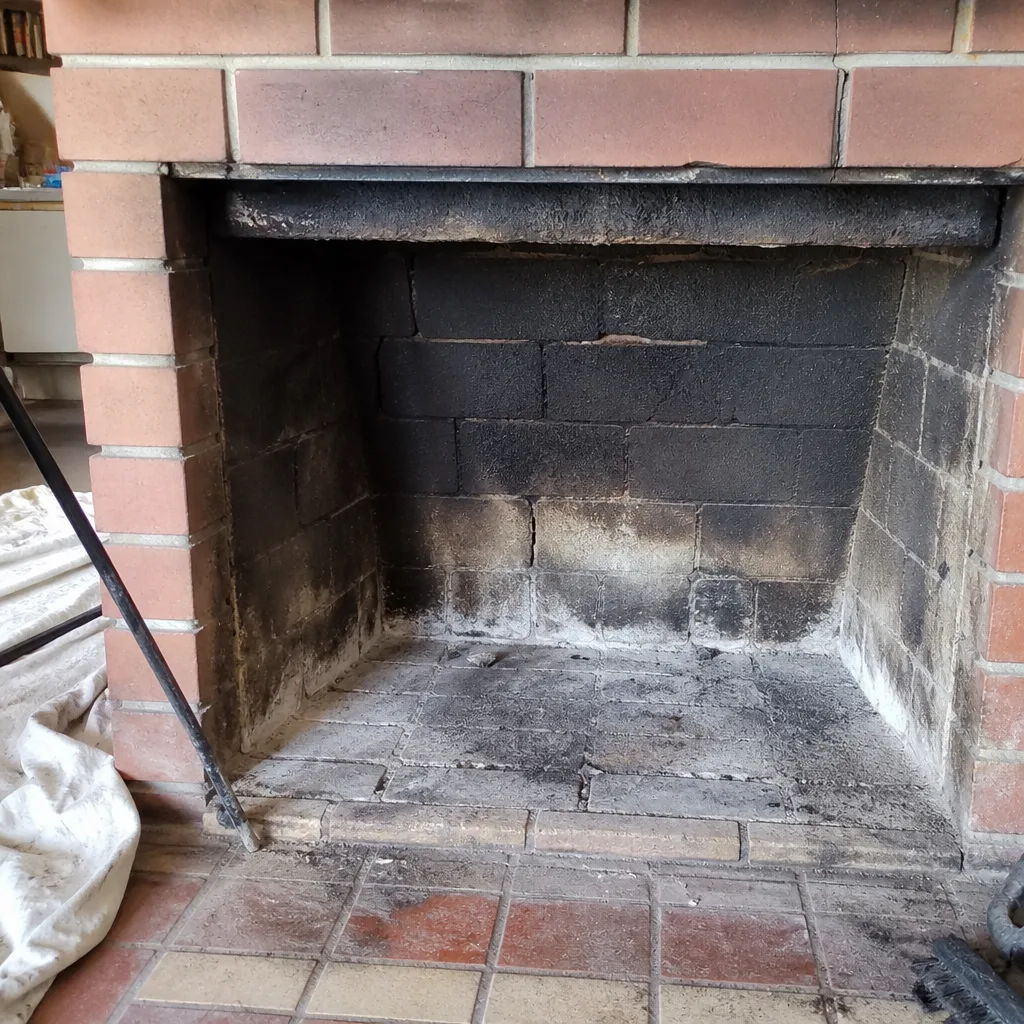 Before
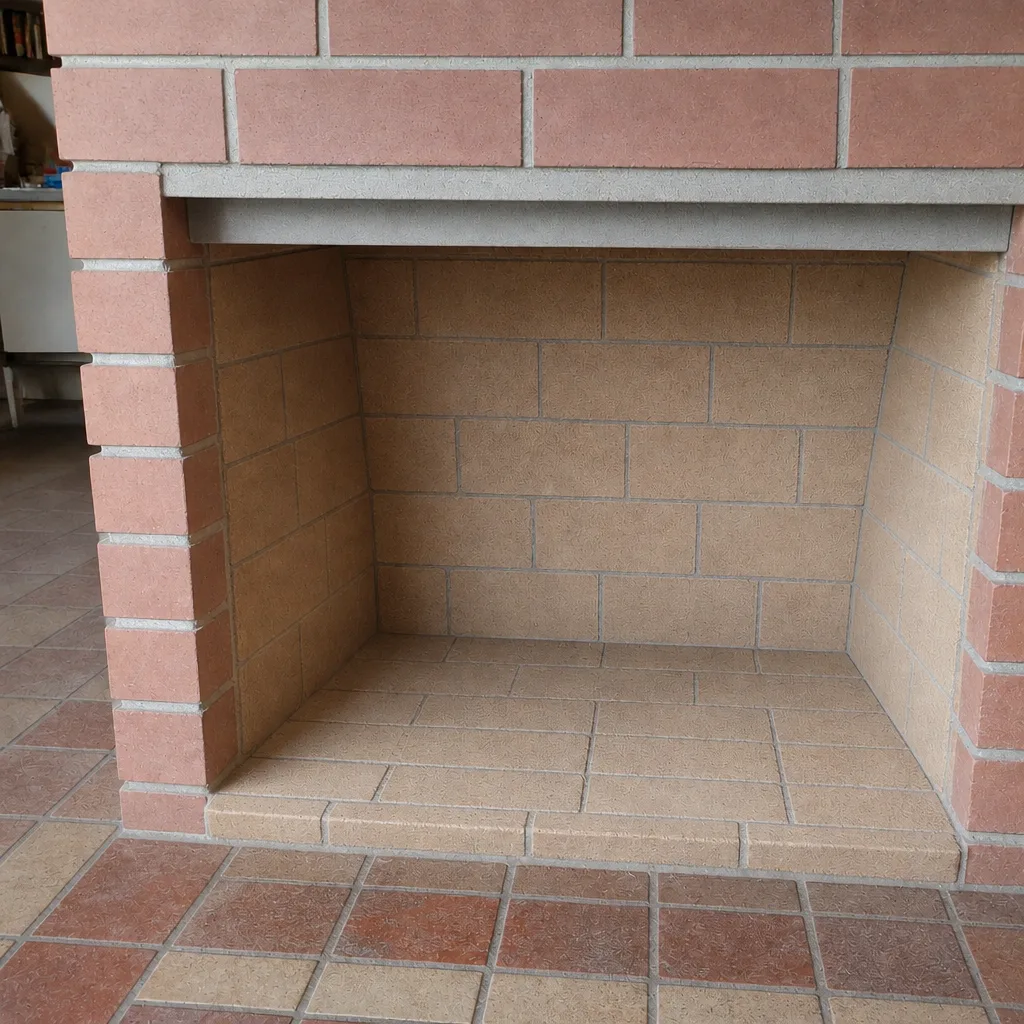 After
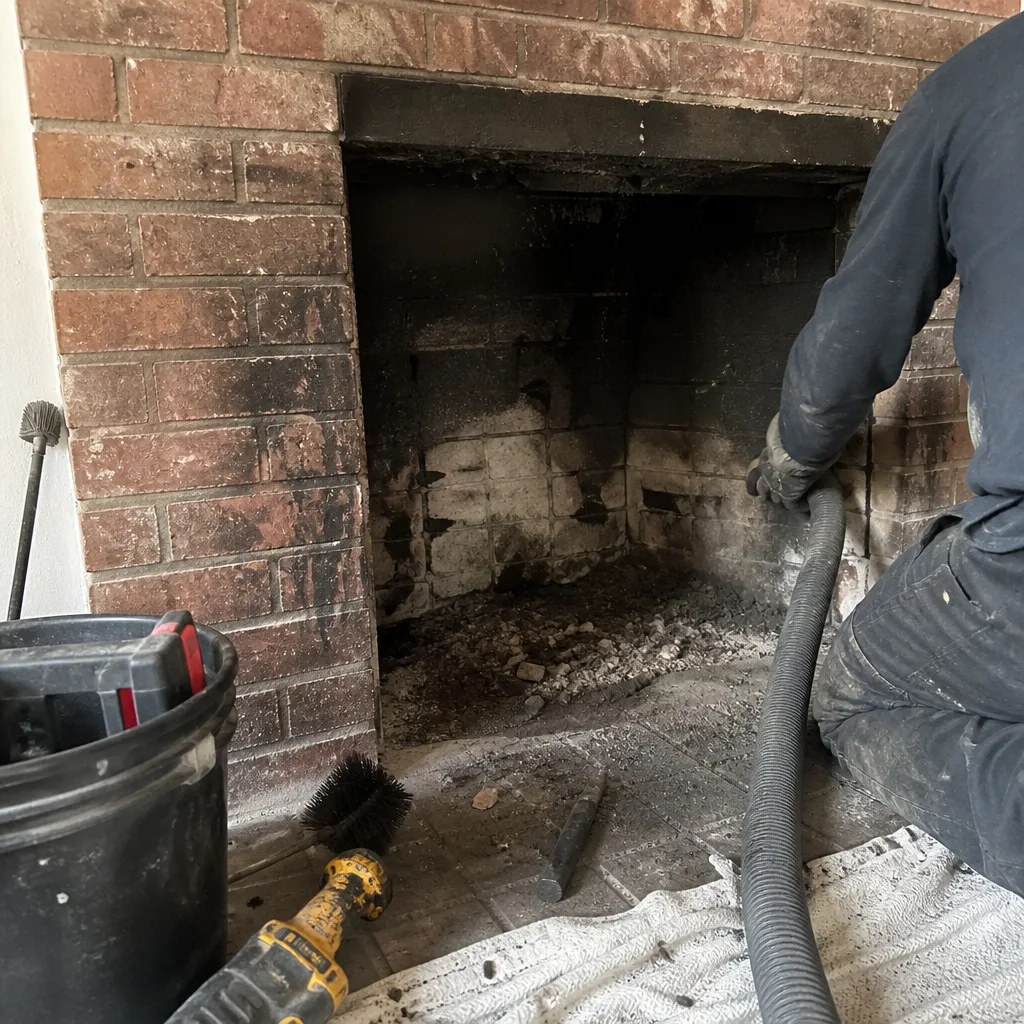 Before
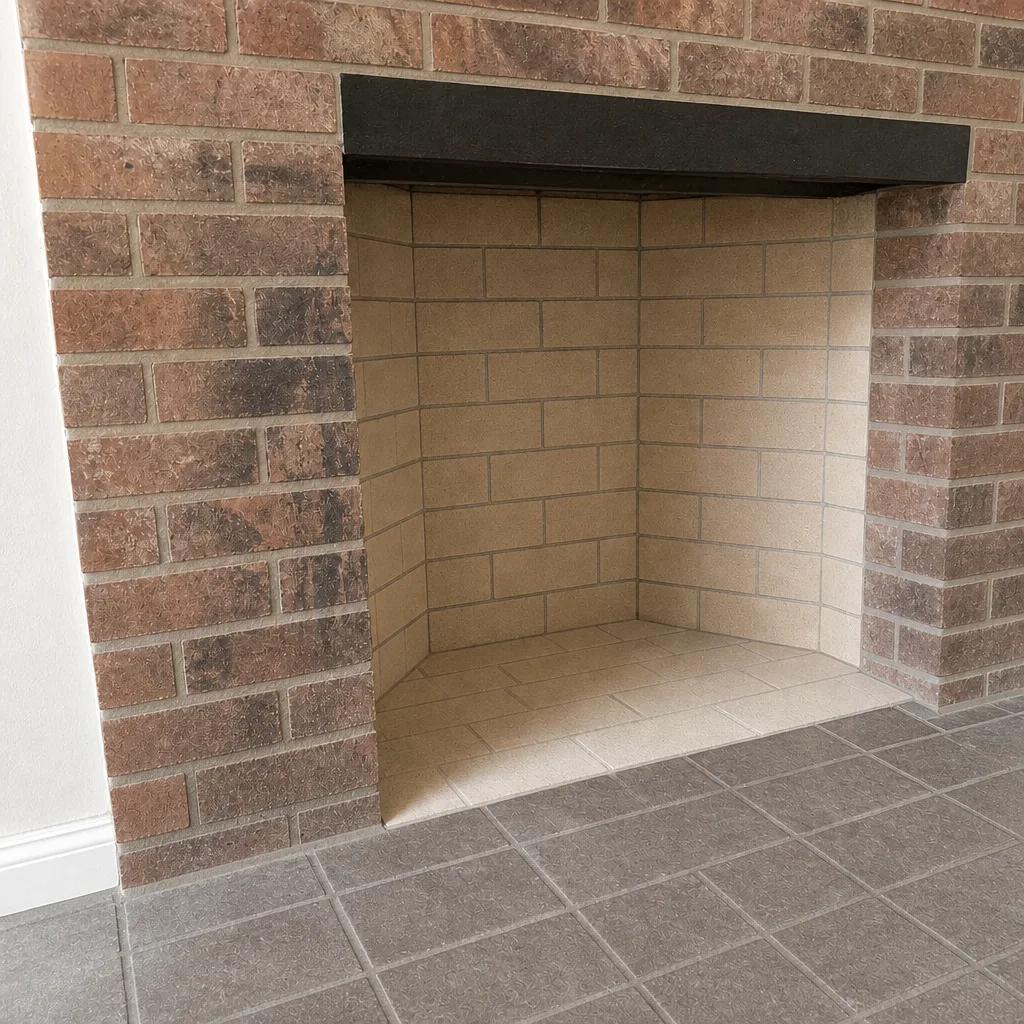 After
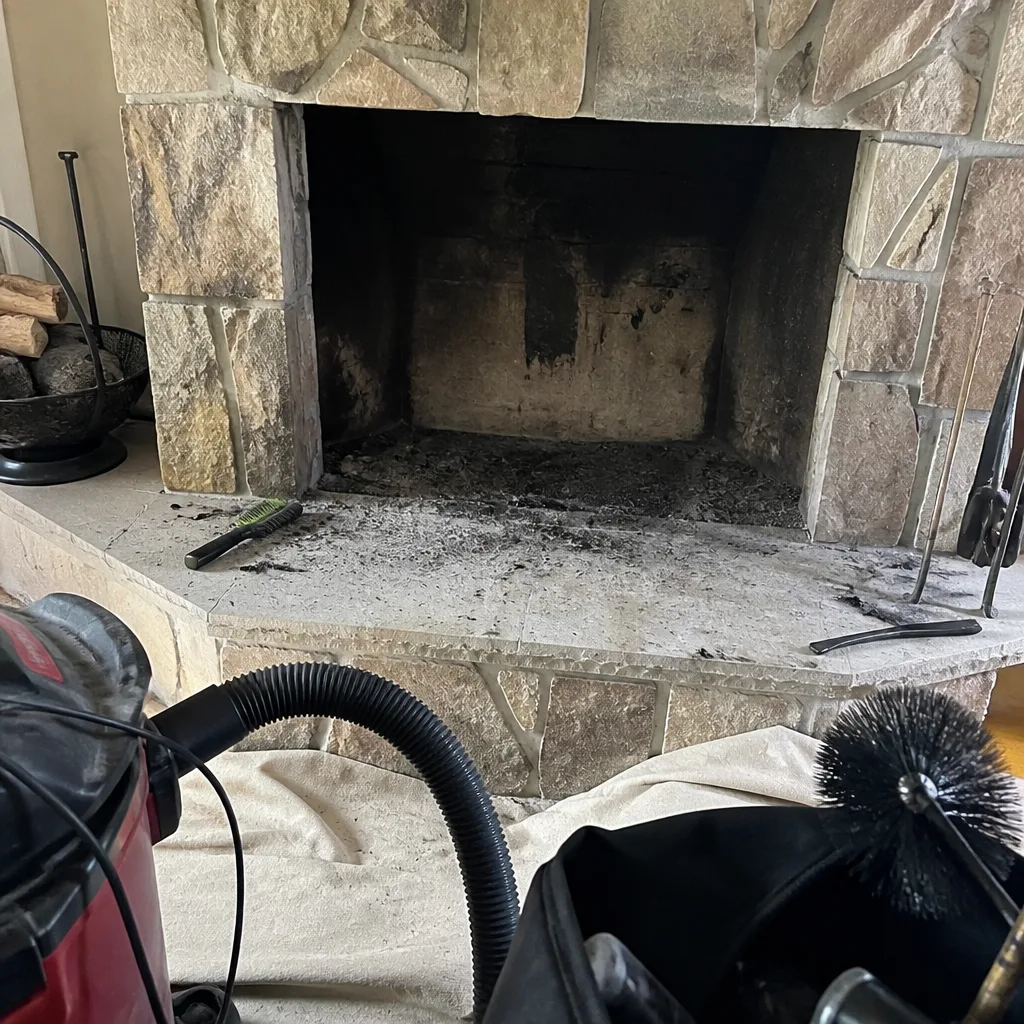 Before
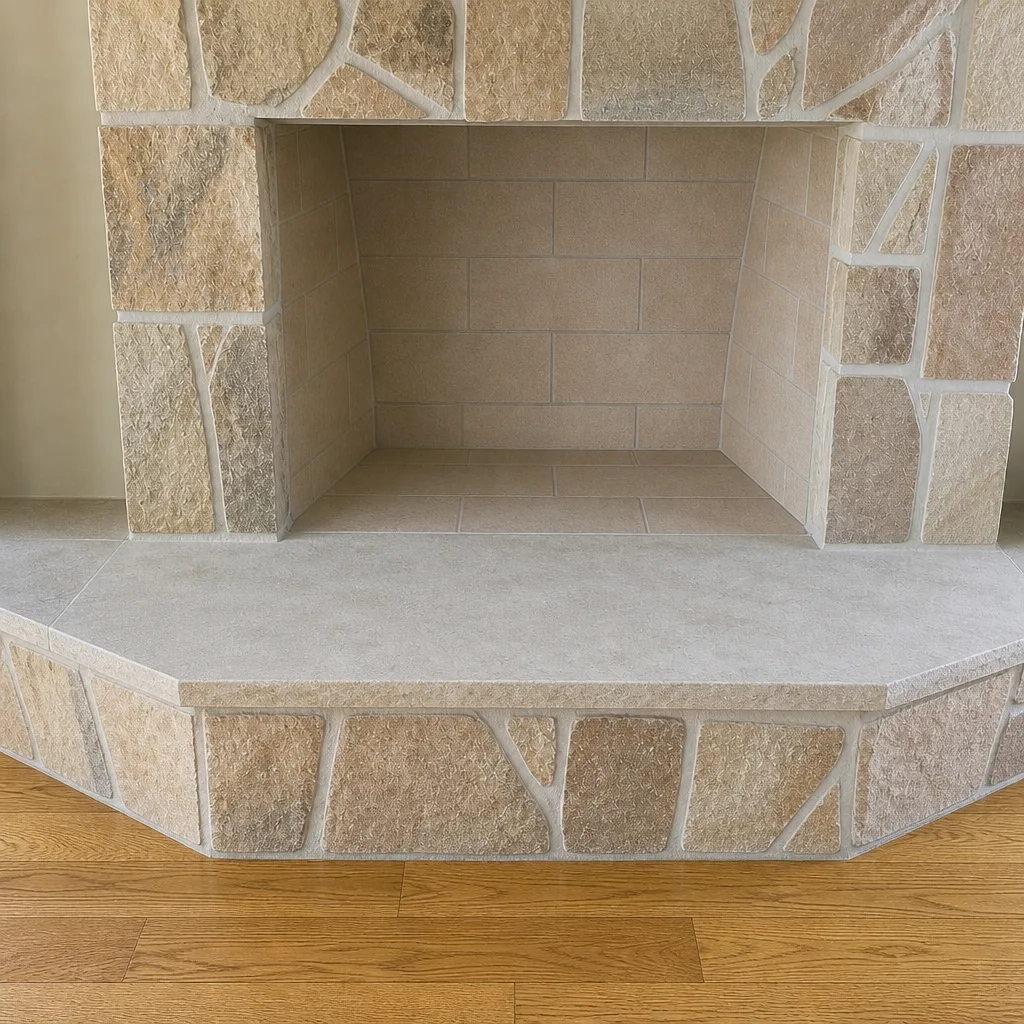 After
When to Call a Professional
Some jobs are homeowner projects. Chimney work isn’t one of them. Call a professional when you see or smell heavy soot, when smoke comes into the room rather than up the flue, when you have no record of the last cleaning, when you’re buying or selling a home, after any chimney fire, or when the crown, flashing, or flue tiles show damage. Also call if you’re simply unsure: a camera inspection answers that question with evidence you can see. Actually climbing up the chimney and inspecting it yourself risks injury and missed damage a trained eye would catch. Harvest Chimney Sweep offers free estimates in Bakersfield. Call (833) 605-6632. We answer 24/7, and fast dispatch from 7am to 7pm, Sunday through Friday.
Frequently Asked Questions
A wood-burning fireplace in Bakersfield should be swept and inspected once a year, and a gas insert should be inspected on the same annual schedule. Even a lightly used or never-used fireplace benefits from a yearly inspection, because dry summers cause structural wear and idle chimneys collect debris and nesting material. Call (833) 605-6632 for an exact quote – estimates are free.
Yes. Low use is actually a reason to inspect, not skip it. The months your chimney sits idle in Bakersfield are the months when mortar cracks, debris builds, and birds nest, and problems that develop in the off-season show up the first time you light a fire. Call (833) 605-6632 to book an inspection – estimates are free.
Yes, wildfire smoke settles inside flues and fireboxes through smoke season, and that residue can restrict draft and hold odor even in a gas-only chimney. That’s why a yearly inspection matters here for every type of fireplace, wood or gas. Call (833) 605-6632 for an exact quote – estimates are free.
A Level 1 is the routine inspection that comes with an annual cleaning and covers the accessible parts of the system, while a Level 2 adds a camera scan of the flue and is required for a home sale, after a chimney fire, or when a Level 1 turns up a concern. Most Bakersfield homes need a Level 1 yearly and a Level 2 for a sale or a problem. Call (833) 605-6632 for an exact quote – estimates are free.
Some qualifying flue systems can be restored without a full liner replacement using a product like HeatShield, while others need a complete reline with a DuraFlex liner system. The decision follows the camera inspection, and we’ll show you the evidence and say plainly when a repair can safely wait. Call (833) 605-6632 for an exact quote – estimates are free.
Soot, debris, and nesting material build up, draft gets restricted, and small cracks in the flue tiles or crown get worse. The larger risk is safety: a blocked or cracked flue can let smoke and carbon monoxide into the home, and heavy glazed creosote can ignite. Skipping a cleaning saves little and can cost a lot. Call (833) 605-6632 for an exact quote – estimates are free.
We use professional-grade, warrantied components from brands like HeatShield, DuraFlex, and Olympia Chimney, not generic substitutes. The specific warranty terms for your installation or repair are documented in your written estimate before any work begins. Call (833) 605-6632 for an exact quote – estimates are free.
The Bottom Line
Chimney cleaning in Bakersfield is less about the fire you burn and more about the months your chimney spends idle in the heat. Sweep, inspect, and repair in one engagement is the right approach for this climate, because the dry-season damage happens whether you light a fire or not. A real full-service visit covers the sweep, the smoke chamber, a camera inspection, the exterior, and a written record, and it catches the small problems before they’re expensive. Ready before the first fire means booking ahead of the cold snap, not after the fireplace starts misbehaving. If it’s been more than a year, or you’ve never had the flue checked, call chimney repair for a free estimate. (833) 605-6632. We answer 24/7, and fast dispatch from 7am to 7pm, Sunday through Friday. Estimates are free, nothing is recommended without camera evidence you can see, and the written estimate sets the final price. Whether it’s a routine cleaning or a liner restoration, message or call and we’ll get you on the schedule before the first fire.
Written by the team at Harvest Chimney Sweep.