
Last updated November 15, 2026
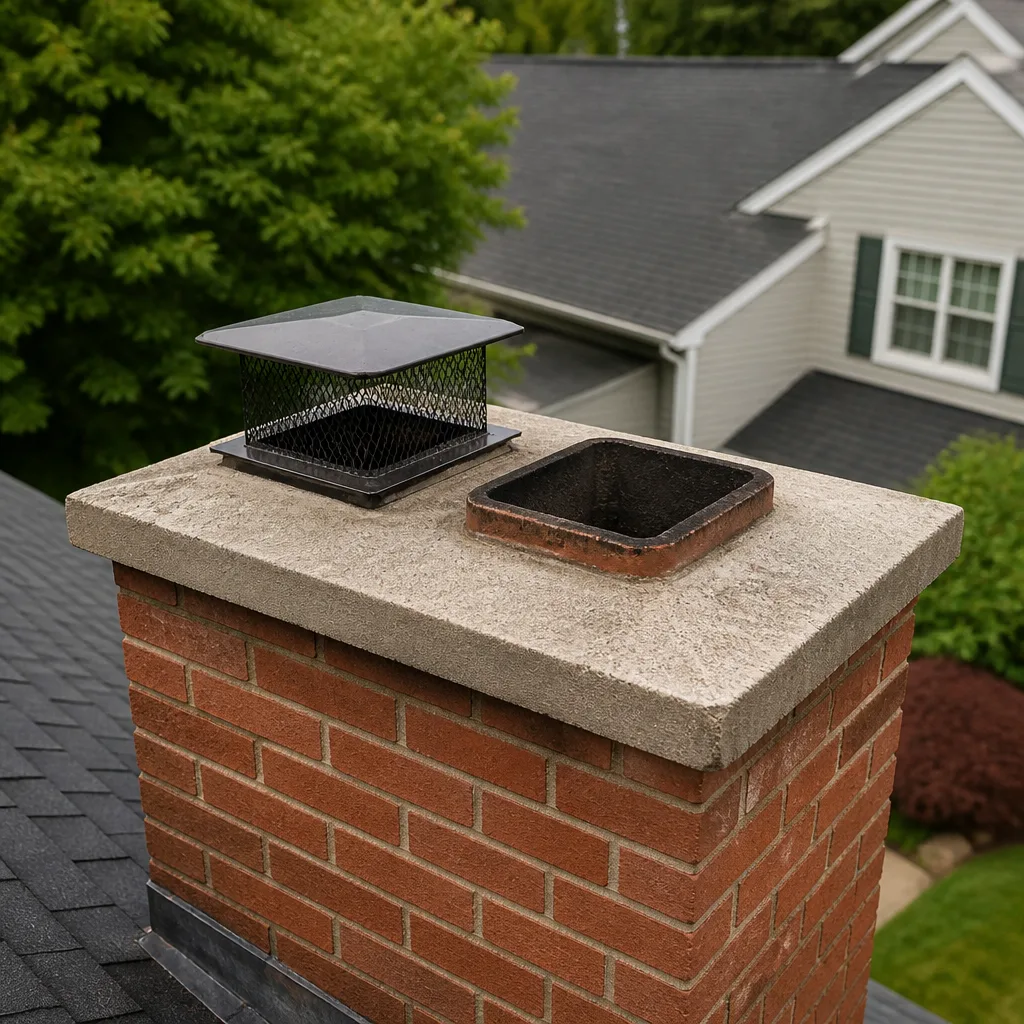 Sweep & inspection
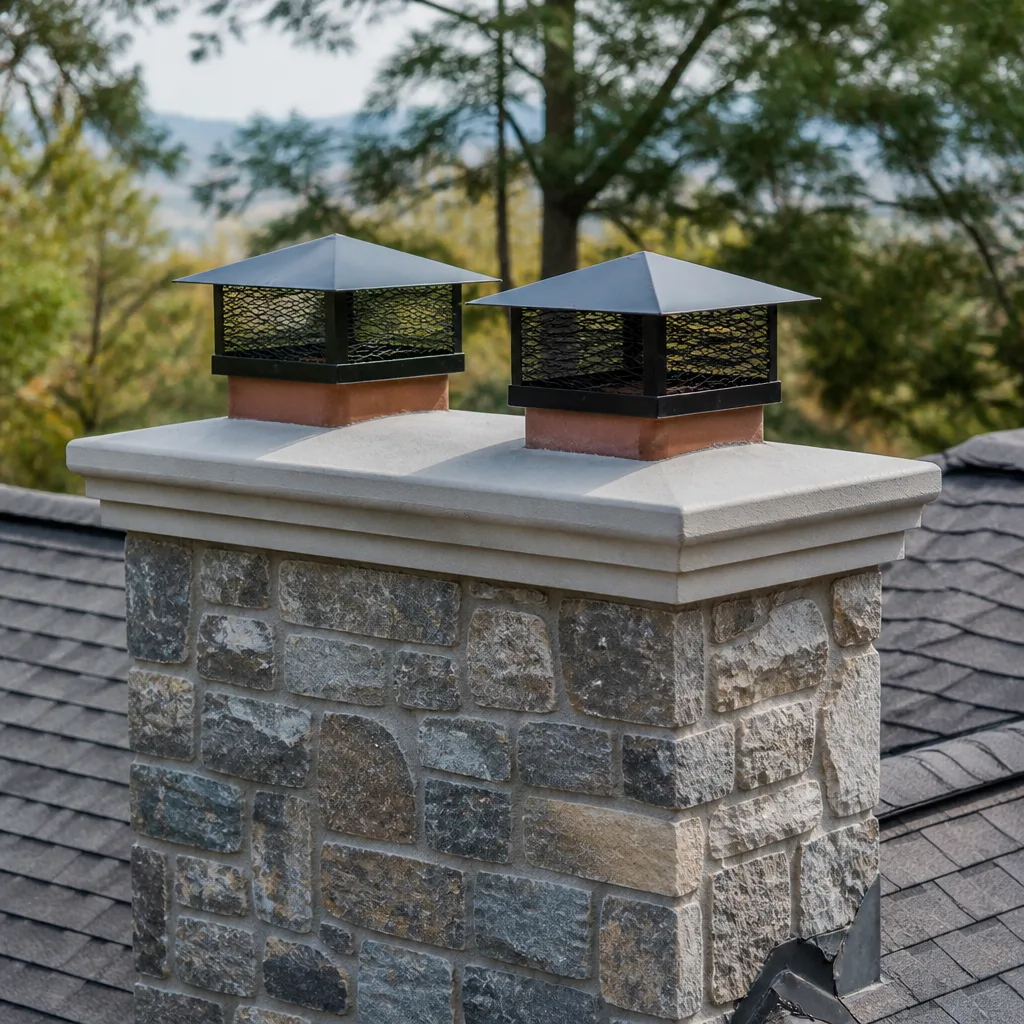 Caps & crowns
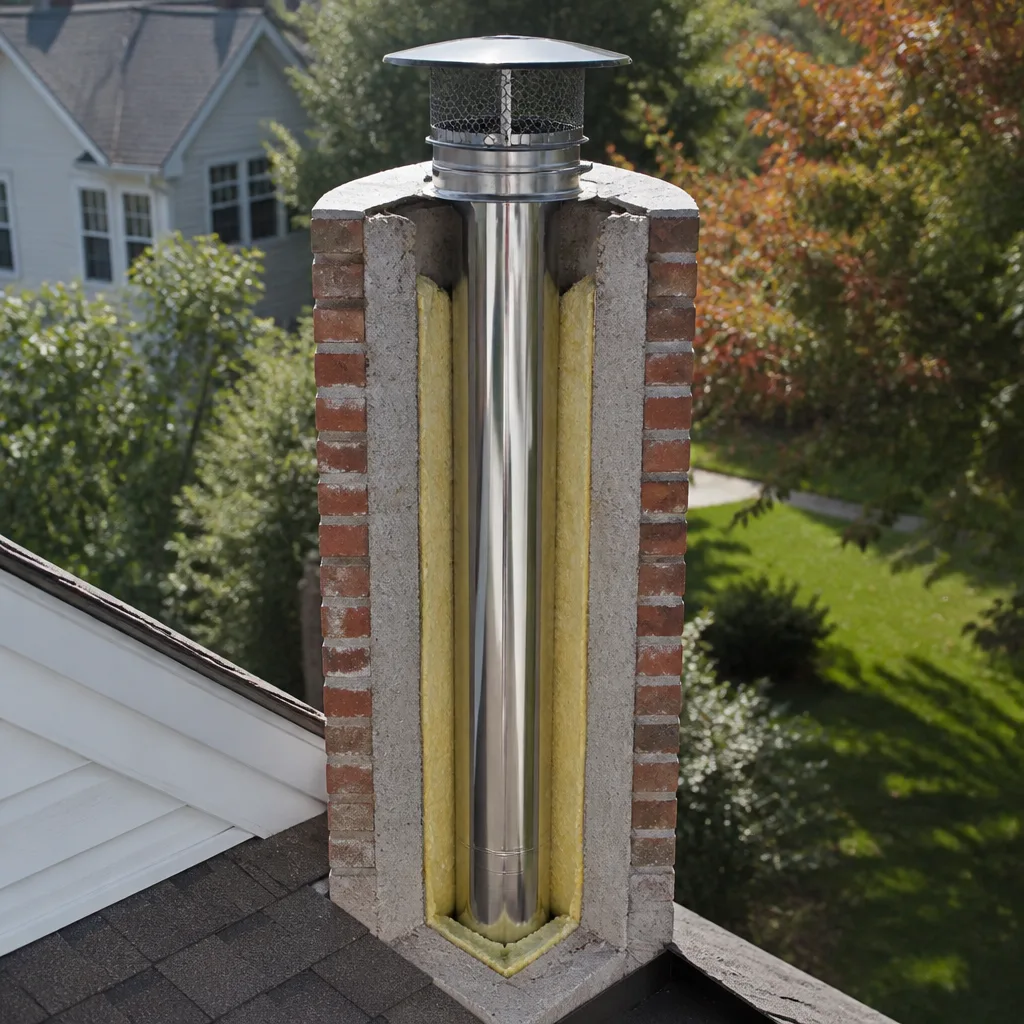 Flue relining
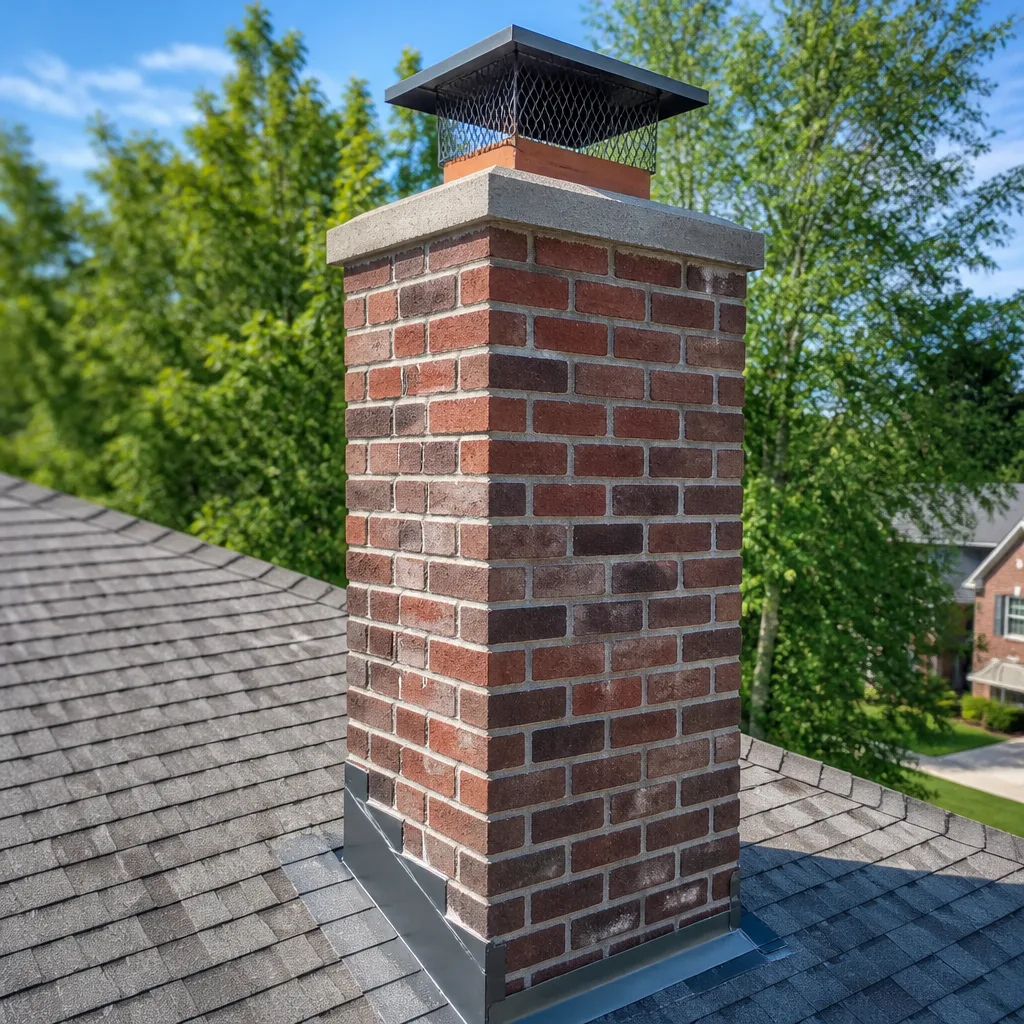 Masonry repair
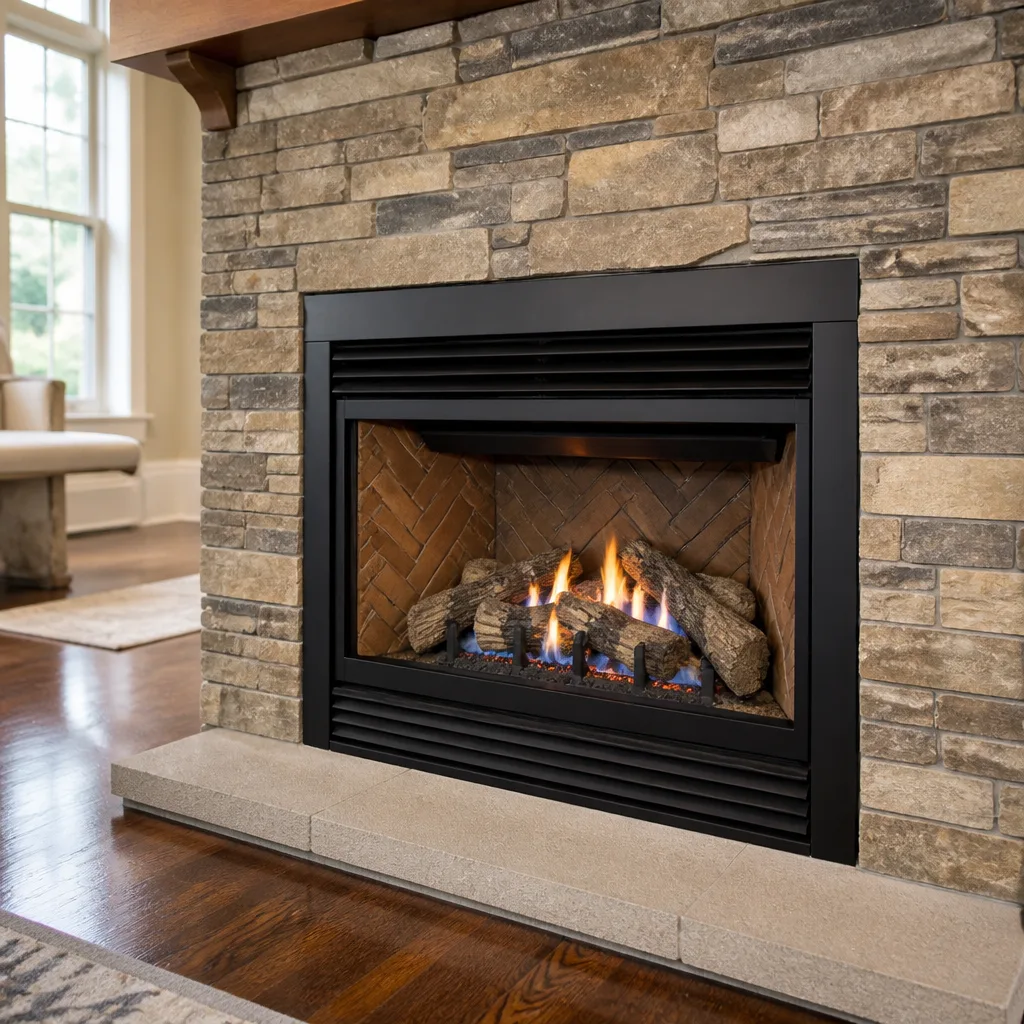 Gas fireplace service
Level 1 sweep and inspection to the NFPA 211 annual standard - flue, crown, cap, and flashing checked and photographed
Chimney sweep logs do not sweep chimneys. They loosen some creosote - which then falls where a brush and vacuum still have to collect it.
Choosing the Right Chimney Cleaning Brand: A Buyer’s Guide for Bakersfield
Most homeowners judge a chimney company by how the fireplace looks afterward. The liner behind the brick, the cap on top and the sealant on the crown matter more. When a technician replaces your flue liner, the brand of liner and the way it’s installed decide whether the system holds up for the next fire and the one after that. Few homeowners have a framework for judging that choice, because no one has ever explained what the industry’s trusted names actually stand for. This guide gives you one. You’ll learn how chimney products are categorized, which questions separate a professional from a parts-swapper, and why the brand on the box tells you something about the person holding it. It’s written from Bakersfield, where summer heat and winter fires both stress a chimney.
Quick Answer
The right chimney brand is less about a logo than about categories: liner systems, sealants and waterproofers, and caps and covers. Each has a tier of professional-grade products engineered and tested for sustained fireplace use, and a cheaper tier that looks similar but isn’t rated for it. Ask any contractor which specific product they intend to install and why. A clear, specific answer naming the product and its rating is what you want. A vague answer is your cue to keep asking, or to walk away.
Styles & brands we work with
- Sweep & inspection
- Caps & crowns
- Flue relining
- Masonry repair
- Gas fireplace service
Table of Contents
- Why the Brand Behind the Box Matters
- The Three Categories of Chimney Products
- Liner Systems: The Brands That Hold Up
- Sealants, Waterproofers, Caps and Covers
- How to Ask a Contractor Which Products They Use
- UL Listing, Insurance and California Permits
- Professional-Grade vs. Hardware-Store Equivalents
- What Bakersfield Conditions Demand
Why the Brand Behind the Box Matters
A chimney is a system, not a decoration. Every part of it – the firebox, the damper, the flue liner, the crown, the cap – does a job that fails in a predictable way when the wrong material goes in. The brand names on those parts tell you whether the manufacturer engineered them for that job. The cheap version at the supply house may fit. Fit and rated for sustained fireplace use are two different standards.
In our experience, homeowners who ask about brands during the estimate usually end up with fewer surprises later. Not because a brand name is magic, but because the conversation forces the contractor to be specific. Once someone has committed to a product by name in front of you, they’re less likely to swap it for whatever’s on sale the morning of the job.
Brand literacy also helps you judge cost. Repair and relining work isn’t cheap, and part of what you’re paying for is the quality of the components. When a company repairs a flue liner, the difference between a documented, warrantied system and a generic substitute is most of the price gap. Understanding that protects you from paying premium money for a budget product.
Bakersfield adds a wrinkle. The valley swings from long, hot, dry summers to mild winters with plenty of fireplace use. Materials that sit comfortably in a cool, damp climate can dry out, crack or deform here if they weren’t made for heat and dryness. The local thermal load is real, and the brand tier is often what separates a product that survives it from one that doesn’t. We’ll get into specifics below.
The Three Categories of Chimney Products
Chimney products break into three main groups. Knowing the groups makes a contractor’s answers easy to follow.
- Liner systems. The flue liner is the tube that carries smoke and gases up and out. It can be clay tile, cast-in-place, or a stainless steel flexible liner. Liner systems are the category where brand matters most, because it’s the part that contains heat and combustion byproducts.
- Sealants and waterproofers. These protect the brick and mortar above the roofline from moisture. Water is the slow enemy of masonry, and sealants are the first line of defense. The better products are vapor-permeable, meaning they let moisture out while keeping rain off.
- Caps and covers. The cap sits on top of the flue and keeps out rain, birds and debris while letting smoke escape. Caps and full covers are the least expensive category and the easiest place to cut corners, which is exactly why it’s a good test question.
Each category has professional-grade names with a long track record and a lower tier of lookalikes. In the liner group, names like DuraFlex, Olympia Chimney and Copperfield are familiar to anyone who spends their days inside flues. In caps and covers, Gelco and Famco are the kind of brands a serious crew reaches for. You don’t need to memorize them. You need to know that the category structure exists, so you can ask which product in which group is going on your house.
Bakersfield has a lot of stucco and masonry exteriors, and a fair number of homes with older chimney systems that have been patched over the years. That patchwork history makes it even more useful to know what’s going in now. A branded cap over a tired crown is a decent fix. A branded cap over a cracked crown just hides the problem.
Liner Systems: The Brands That Hold Up
The flue liner is where the stakes are highest. A failing liner can let heat reach the framing or let carbon monoxide escape into the living space. That’s the reason the installer’s competence and the liner’s quality are worth asking about.
Professional-grade liner systems are engineered to be tested and rated for the job. They’re typically stainless steel flexible products with documented tolerances for flue gas and heat, and they come with a system of components – adapters, top plates, insulation – so the whole flue performs as designed, not just the pipe. DuraFlex and Olympia Chimney both belong to this tier. Copperfield is a name that shows up in liners, dampers and caps, and it’s a reasonable marker of a professional sourcing standard as well.
Some liners also address structural deterioration in the existing flue rather than replacing it outright. That’s where cast-in-place restoration comes in. When a clay flue is spalling or has gaps, a cast-in-place system can restore it from the inside, and HeatShield is the name that dominates that space. HeatShield-qualified work is the documented signal that a company can restore a deteriorating liner without a full replacement where the system qualifies. Harvest Chimney Sweep works with HeatShield and DuraFlex, which is a sign the conversation can go past a basic sweep and into real structural repair.
Here’s the part most buyers don’t hear. A stainless liner installed without insulation, or sized without checking the appliance, can underperform even if it’s an excellent brand. Installation quality is the other half of the equation. When you ask about the brand, listen for whether the answer includes the setup: the system, the sizing, the insulation. If it does, you’re talking to someone who understands liners as a system. If it stops at the logo, ask a follow-up.
Sealants, Waterproofers, Caps and Covers
Sealants and waterproofers sit below the roofline in most people’s attention. They sit on top of it in importance. Brick and mortar absorb water and shed it slowly. In a hot, dry place like Bakersfield, the cycle of moisture absorption and rapid drying can stress masonry over time. A good sealer slows that cycle without trapping moisture inside.
Professional-grade sealers are vapor-permeable. That’s the feature to ask about. A sealer that seals water out but also seals it in can cause spalling, where the face of the brick flakes off. The brand name matters less than this property, but a serious contractor can name the product and tell you it’s breathable. ChimneySaver is the name most associated with this category, and a crew that uses it or an equivalent professional grade is likely thinking about masonry health, not just finishing the job.
Caps and covers protect the flue opening from rain, animals and debris. They also need to let smoke out. A cap that’s too tight or improperly sized turns a working fireplace into a smoky one. Stainless caps with a spark-arrest mesh are the standard, and Gelco and Famco are among the brands professional crews use. Poorly made caps rust, deform in the heat, or blow off in our windy spring conditions.
The takeaway is simple: even the smallest category on the roof has a professional tier and a bargain tier. Ask about all three. If a contractor can tell you the brand and the property of the sealant and cap they use, you’ve learned something about how they think about the whole system.
How to Ask a Contractor Which Products They Use
You don’t need to be an expert to ask good questions. You just need to know what a good answer sounds like. Here’s a numbered sequence you can run through during any estimate in Bakersfield.
- Ask for the specific product by name. “What liner are you planning to install?” A good answer names the product and the manufacturer. A vague answer like “we use a high-quality liner” is a signal to press further.
- Ask why that product. “Why that brand for this chimney?” A professional can explain the fit – the appliance, the flue size, the condition of the existing liner.
- Ask whether it’s UL-listed and rated for this use. The correct answer is yes, with the specific standard. If they hesitate, that’s information.
- Ask about the accessories. “What cap and sealer are you using?” The category questions above tell you whether they’ve thought about the whole system.
- Ask what gets documented. “Will I get a written record of what was found and what was installed?” This matters for insurance, for resale later, and for your own understanding of your chimney.
What does an evasive answer look like? Words like “high quality” or “code-compliant” with no product behind them. Or a sudden referral to “our supplier” with no name. Or a shrug. In our experience, the contractor who’s proud of their materials is usually eager to tell you about them. The one who isn’t has a reason.
Bring the questions in writing if it helps. It also gives you a fair basis for comparing two estimates, since a line-item brand comparison tells you more than a single total price.
UL Listing, Insurance and California Permits
UL listing is the underwriting standard for chimney products. It means an independent testing lab has evaluated the product against a standard for its intended use. For liners, the relevant standard is UL 1777. For factory-built fireplaces and vents, there are related standards, and the product labeling will tell you which one applies. Ask to see the label. It’s on the product or in the documentation.
Why does this matter to a California homeowner? Two reasons.
First, insurance. Many carriers ask about the age and type of the chimney system when you buy or renew a policy, and some ask for documentation of a liner’s rating or installation. If your liner is unlisted or generic, you may find yourself explaining it later. A UL-listed, documented installation gives you something to hand over.
Second, permits. Relining work and significant repairs often fall under local permit requirements, and inspectors check for listed materials. Requirements vary, so ask your city’s building department about your specific project before work begins. A contractor who shrugs at the permit question is telling you something.
Brand-name products from the professional tier are the easiest path to UL listing and documentation, because those manufacturers publish the ratings. The cheap equivalent may claim a standard but have no paperwork to back it up. When a company works with names like DuraFlex or Olympia Chimney, part of what you’re buying is that paper trail.
Professional-Grade vs. Hardware-Store Equivalents
Hardware stores sell chimney caps, sealants and brushes. Some of those products are fine for a homeowner doing a routine visual check. They aren’t the same products a professional installs, and the difference matters in a few specific ways.
- Heat rating. Professional-grade components are tested for sustained flue temperatures. Store-tier equivalents often aren’t, which is a real issue with a fireplace in regular use.
- Material thickness and alloy. Liner steel and cap steel come in grades. The store-tier cap is usually thinner and less corrosion-resistant, which shortens its life in a dry, hot climate.
- Vapor permeability. Sealers need to breathe. Store-tier sealers sometimes don’t, and a non-breathing sealer can trap moisture and cause spalling.
- Fit as a system. Professional components are made to work with each other. A store-tier cap on a professionally installed liner is a mismatch waiting to happen.
- Warranty and documentation. Professional products come with manufacturer documentation and warranty. Store-tier parts often don’t, which leaves you without recourse if something fails.
Bakersfield’s heat matters here. Summer UV and heat aging degrade cheap materials faster than cool, damp climates do. A store-tier cap that might last a decade somewhere else can rust or warp sooner here. That’s why the brand tier is worth asking about, not just for liners but for the smaller parts too.
None of this means a hardware store is off-limits for a spare brush. It means the components inside your chimney – the parts that contain fire and gas – should come from the professional tier. Harvest Chimney Sweep sources from brands like Gelco, Famco and Copperfield for exactly that reason.
What Bakersfield Conditions Demand
Bakersfield is a valley town with hot, dry summers and mild winters. Fireplaces see heavy use in the cooler months and sit idle in the heat. That rhythm has consequences for materials.
The drying cycle is the big one. Masonry that gets wet in winter and dries fast under summer sun experiences stress. Breathable sealants help. Non-breathable ones hurt. That’s a Bakersfield-specific reason to care about the vapor-permeability question above.
Dust and dry air are the other factor. A dusty environment means more debris in the flue between cleanings, which is one reason regular chimney sweep visits pay off here. The sweep is also a chance for the technician to look at the cap, the crown and the liner face, and to note anything that needs attention before winter.
Neighborhood specifics vary. Older homes around downtown and the east side may have original clay tile flues with years of use. Newer construction on the west side often has factory-built systems with different venting requirements. Neither is better or worse; the point is that the right product depends on what’s already there. That’s why the brand question is paired with a condition question. The best liner in the world is wrong for a flue it doesn’t fit, and a professional will tell you so.
For a broader look at services and how a visit is structured, the Bakersfield page lays out what we do here. If you’re further into the planning stage, the inspection conversation is a good next step.
Common Mistakes to Avoid
- Judging on price alone. The lowest estimate often reflects a lower material tier. Ask what’s in the price before you decide, because a cheap liner is not a shortcut worth taking.
- Accepting “we use high quality materials” as an answer. That phrase tells you nothing. Ask for the product name and why it fits your chimney.
- Skipping the UL listing question. Insurance and permit documentation both depend on it. If a contractor can’t point to the listing, that’s a problem you’ll inherit.
- Ignoring the small parts. A new liner under a rusty cap or a cracked crown is half a repair. The cap and seal are part of the system.
- Assuming a sweep is just a cleaning. A good sweep is also a look at the liner, the crown, the cap and the damper. If the technician only cleans, you’re missing the value of the visit.
- Believing a hardware-store fix is equivalent. Some store-tier parts fit. Very few are rated for the conditions inside a working flue, especially in Bakersfield heat.
- Waiting until the first cold snap. Booking a sweep and inspection before the season starts gives time for any repairs to be quoted and done, instead of rushing them.
See the difference
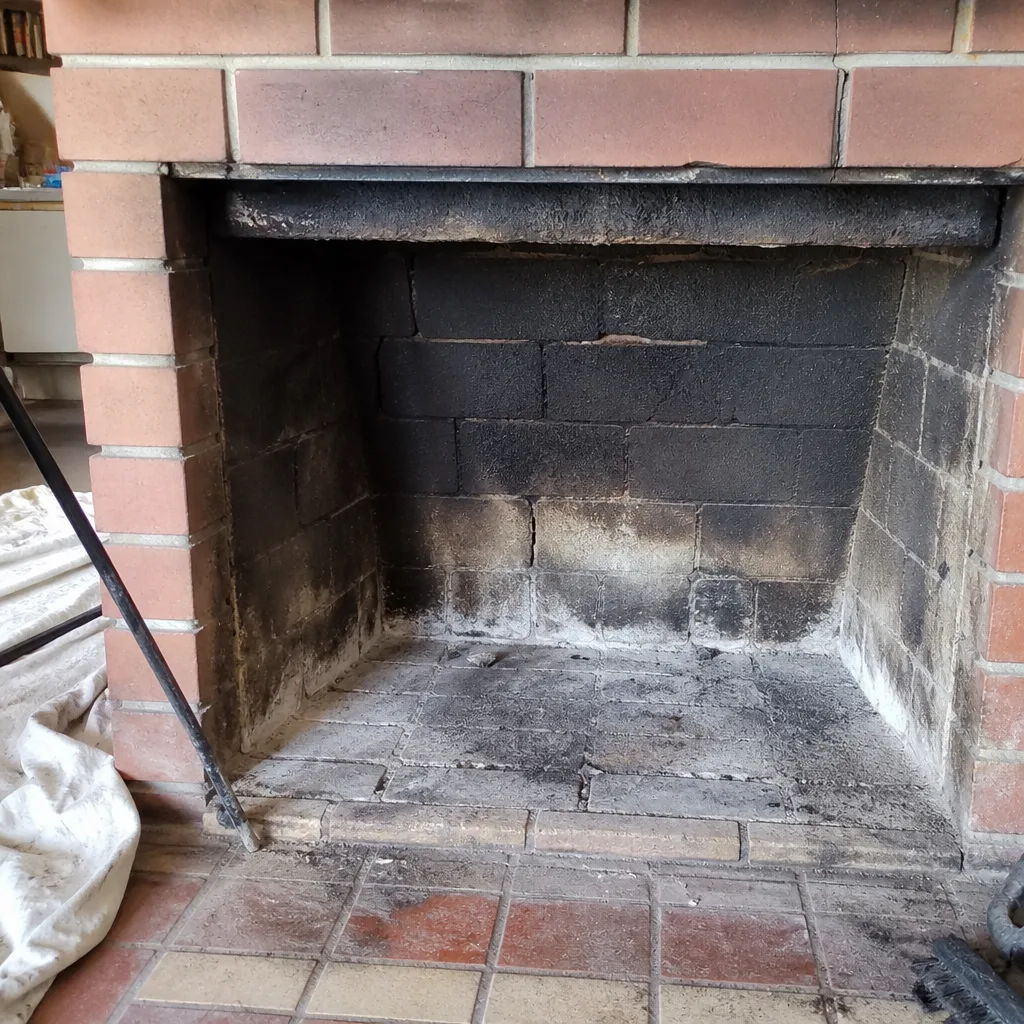 Before
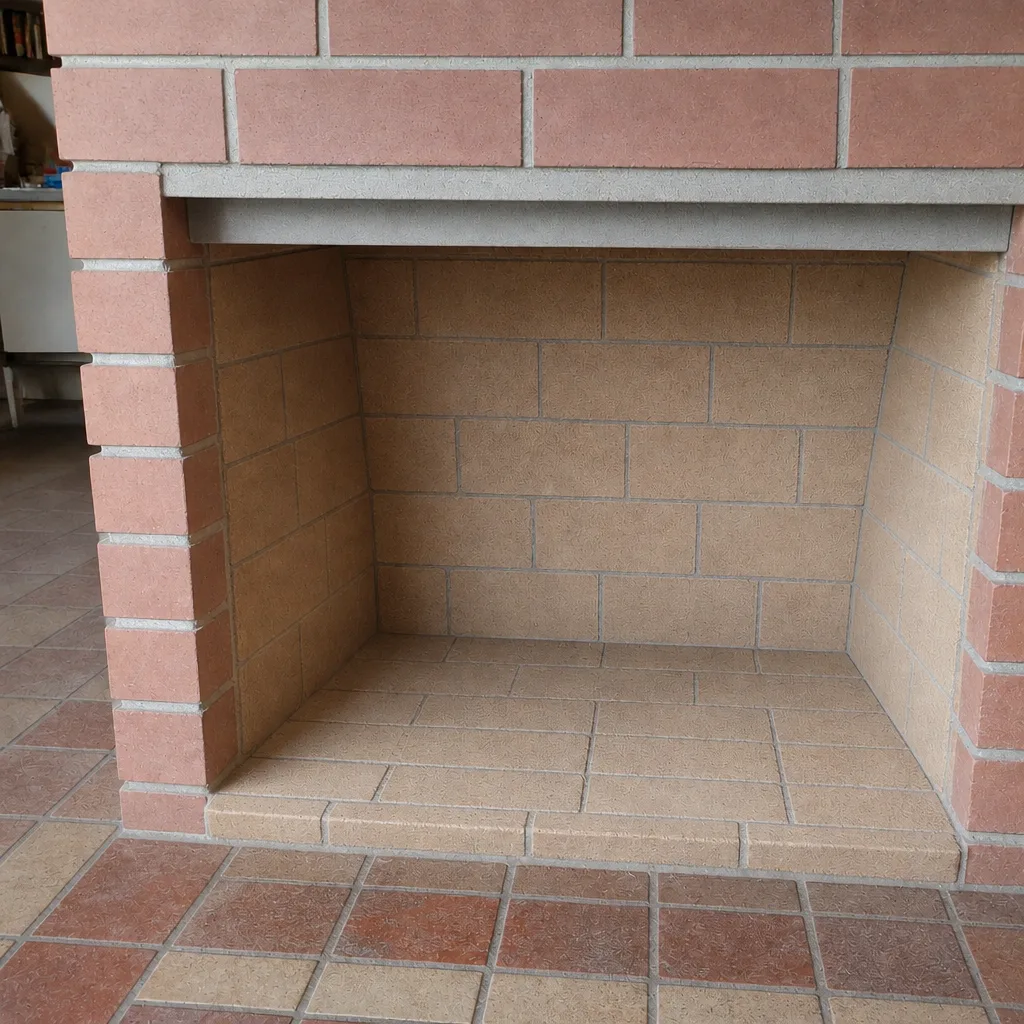 After
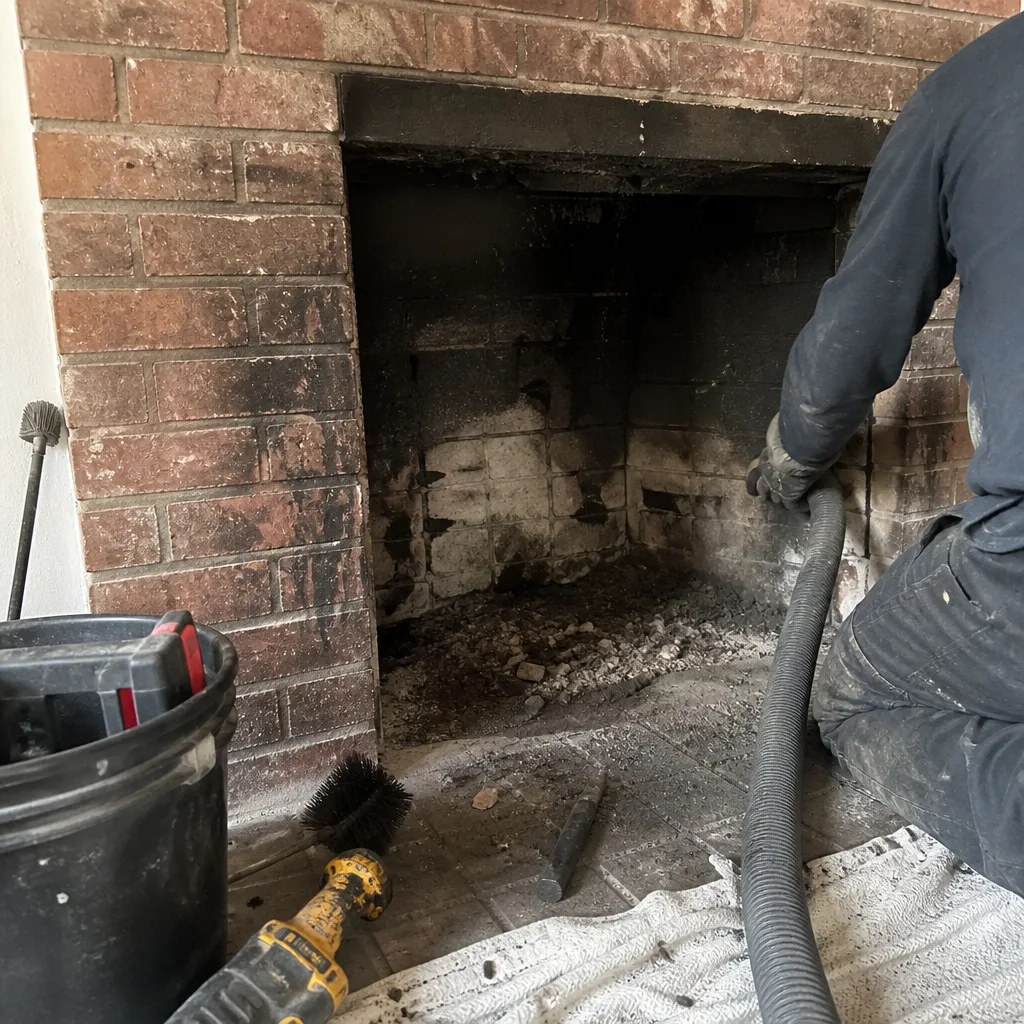 Before
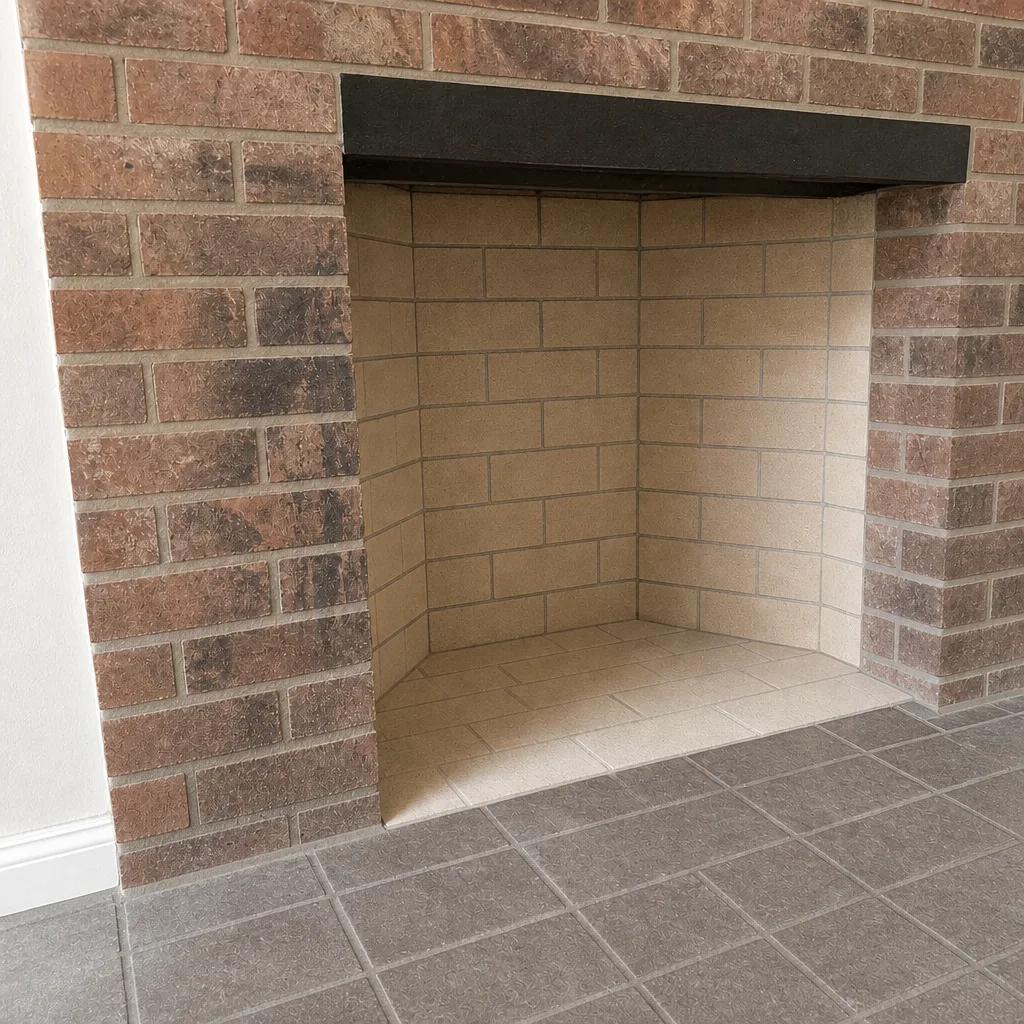 After
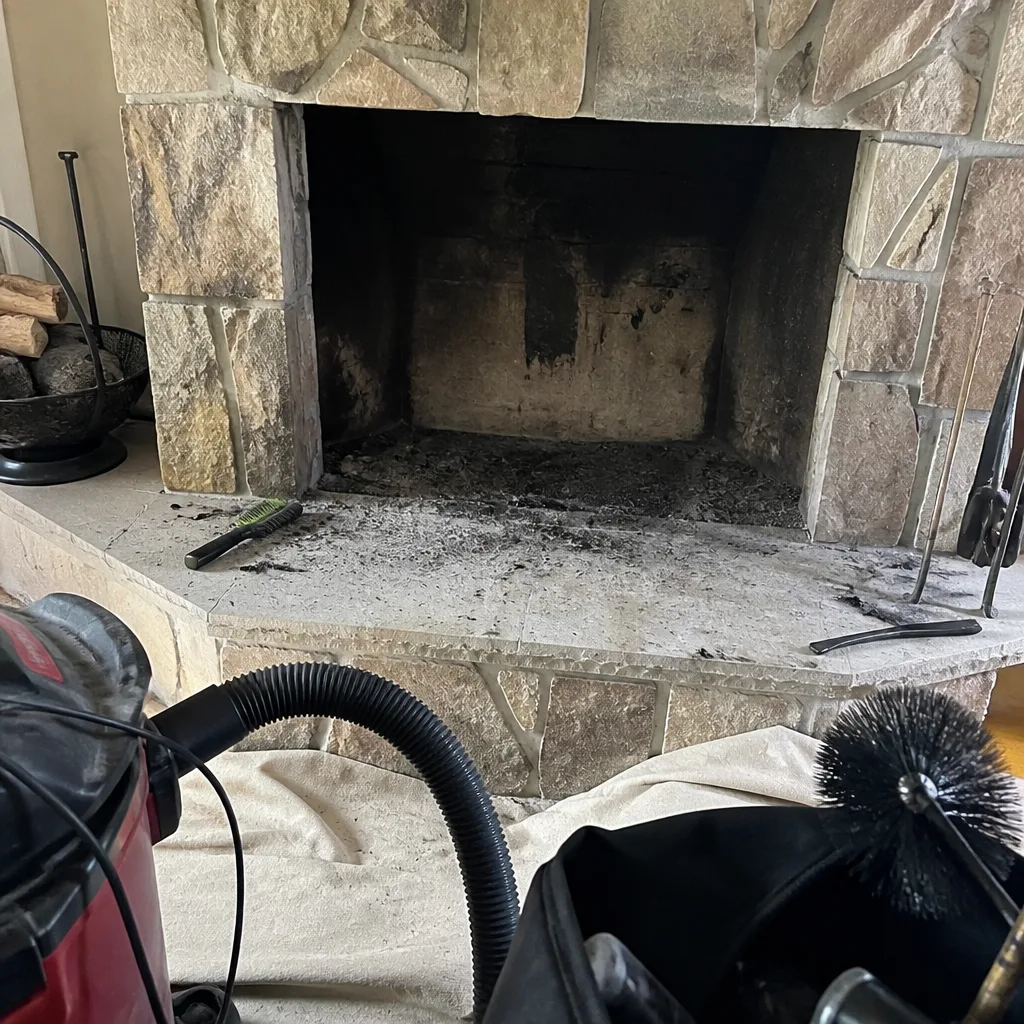 Before
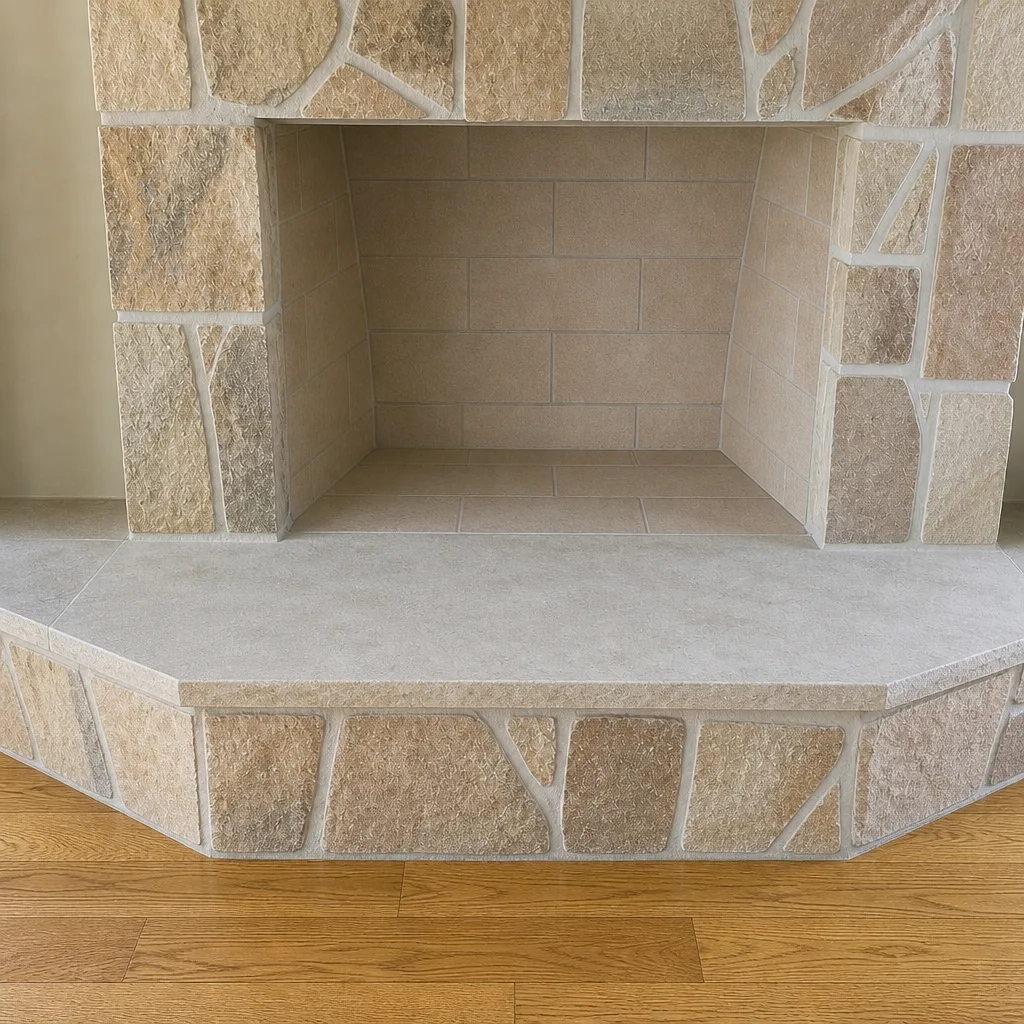 After
When to Call a Professional
Some chimney questions you can answer with a flashlight. Others need someone on the roof with the right tools. Call a professional if you smell smoke in the house when the fireplace is running, if you see cracked or missing mortar in the flue, if the damper is stuck or won’t seal, or if it’s simply been a while since the last sweep. Anyone with a gas appliance attached to the chimney should also have the system checked regularly, since carbon monoxide has no smell and the liner is what keeps it out of the living space. If you’re not sure whether your flue is clay tile or steel, a professional inspection will tell you and document it.
Harvest Chimney Sweep offers free estimates in Bakersfield. Call (833) 605-6632 to book one. We answer 24/7, with fast dispatch from 7am to 7pm, Sunday through Friday.
Frequently Asked Questions
Professional crews rely on a small tier of brands across three categories: liner systems like DuraFlex, Olympia Chimney and Copperfield, cast-in-place restoration like HeatShield, and caps, covers and smaller components from names like Gelco and Famco. The common thread is that these products are tested and rated for sustained chimney use and come with manufacturer documentation. The brand name matters less than whether the product is rated for your appliance and flue, so the follow-up question is always “rated for this setup?”
Look for the listing label on the product or in the documentation provided at install. UL 1777 is the standard for chimney liners, and the label will name the standard. Ask the contractor to show you the documentation before work begins. Legitimate professional-grade products come with it. If a contractor can’t produce paperwork, treat that as a red flag.
The liner is the component that contains heat and combustion gases, so its rating and installation decide whether the chimney works safely. A professional-tier liner is engineered and tested for that job, and it’s documented so your insurance company and future buyers have a record. A generic or store-tier substitute may fit, but it isn’t rated for the same conditions, and the failure mode is the dangerous one. Call (833) 605-6632 for a free estimate if you’re unsure what’s in your flue.
Relining and significant chimney repair often require a permit, and inspectors check for listed materials, but requirements vary by project. Ask your city’s building department whether your specific work needs one. A contractor who’s vague about permits is telling you something about their process. Call (833) 605-6632 and we can walk through what’s typically involved.
Hot, dry summers and mild winters stress materials differently than a wet climate does. Brick and mortar go through a wet-then-fast-dry cycle that makes vapor-permeable sealants important, and UV and heat aging wear down cheap caps and fittings faster here. The brand tier matters because professional-tier products are built for those conditions. A proper inspection will tell you what your specific system needs.
For a quick patch, sometimes. For a working fireplace in regular use, no. Store-tier components are often thinner, less heat-rated and not vapor-permeable, which means they can fail sooner or trap moisture in the masonry. The parts that protect your flue and your family are worth installing from the professional tier. Call (833) 605-6632 for an assessment of what your chimney needs.
The Bottom Line
Chimney brands aren’t a marketing detail. They’re a practical way to judge the quality of the work being done on your house. The three product categories – liners, sealants and waterproofers, and caps and covers – each has a professional tier and a bargain tier, and the brand names on the box tell you which tier you’re getting. Ask specific questions, insist on UL listing and documentation, and treat vague answers as useful information. In Bakersfield, where heat and dry air stress chimney materials, the brand question matters even more. We work with professional-grade names like DuraFlex, HeatShield, Gelco, Olympia Chimney, Famco and Copperfield because that’s what protects the parts of your home you can’t see.
Ready to know for sure what’s going on in your chimney? Call (833) 605-6632 for a free estimate. We sweep, inspect and repair, and we answer 24/7 with fast dispatch from 7am to 7pm, Sunday through Friday. Nothing left for next season.
Written by the team at Harvest Chimney Sweep.